
Southwest Machine Technologies — Providing high quality products at unmatched value with unrivaled support.
For Texas fabrication shops, the back half of 2026 looks less like a boom and more like a test of discipline. Demand is still growing, but the easy momentum of recent years has faded, input costs remain stubbornly high, and tariff policy keeps shifting the math on both materials and equipment. None of that is a reason to sit still. The shops that read the signals correctly — and make their equipment decisions deliberately rather than reactively — will be the ones that protect margins and win work through the rest of the year.
Demand Is Cooling, Not Collapsing
The headline from the Federal Reserve Bank of Dallas’s June Texas Manufacturing Outlook Survey is steady-but-slower. The production index came in at 4.1 — still positive, but below the survey’s long-run average — while new orders stayed in growth territory at a softer pace. One fabricated-metal manufacturer summed up the mood plainly, reporting slower demand in the second half but a still-generally-strong business climate. Just as important, expectations point up: the survey’s six-month outlook for future general business activity jumped to its highest level in more than a year, and future production stayed firmly positive. For Texas fabricators, that combination — soft near-term, optimistic medium-term — argues for staying ready to scale rather than pulling back.
Steel and Input Costs Are the Wild Card
The bigger challenge is cost. Texas manufacturers reported raw-material prices rising for the 74th consecutive month in June, one of the longest cost-pressure streaks on record. Steel sits at the center of that story. Under the federal Section 232 metals program, imported steel and aluminum articles carry a 50% tariff, derivative products a 25% tariff, and certain metal-intensive industrial machinery a temporary 15% rate through 2027, according to the White House. For fabricators, that means material quotes need to be tighter and shorter-dated than they were a few years ago — a long job priced on stale steel costs can quietly erase its own margin. It also means the machinery carve-out is worth understanding, since the reduced rate on certain industrial equipment can affect the landed cost of a capital purchase.
Capital Spending Plans Are Actually Rising
Here’s the counterintuitive part: even with the uncertainty, Texas manufacturers are planning to spend. The Dallas Fed’s future capital-expenditures index jumped more than 14 points in June, and the current capex reading rose as well — a sign that shops see productivity investment as the way through a high-cost, tight-labor environment rather than a bet to postpone. That logic is sound. When you can’t easily add skilled headcount and you can’t control steel prices, the lever you can pull is output per hour. Modern sheet metal fabrication machines do exactly that, turning the same crew and the same material into more finished parts.
Where to Put Your Equipment Dollars
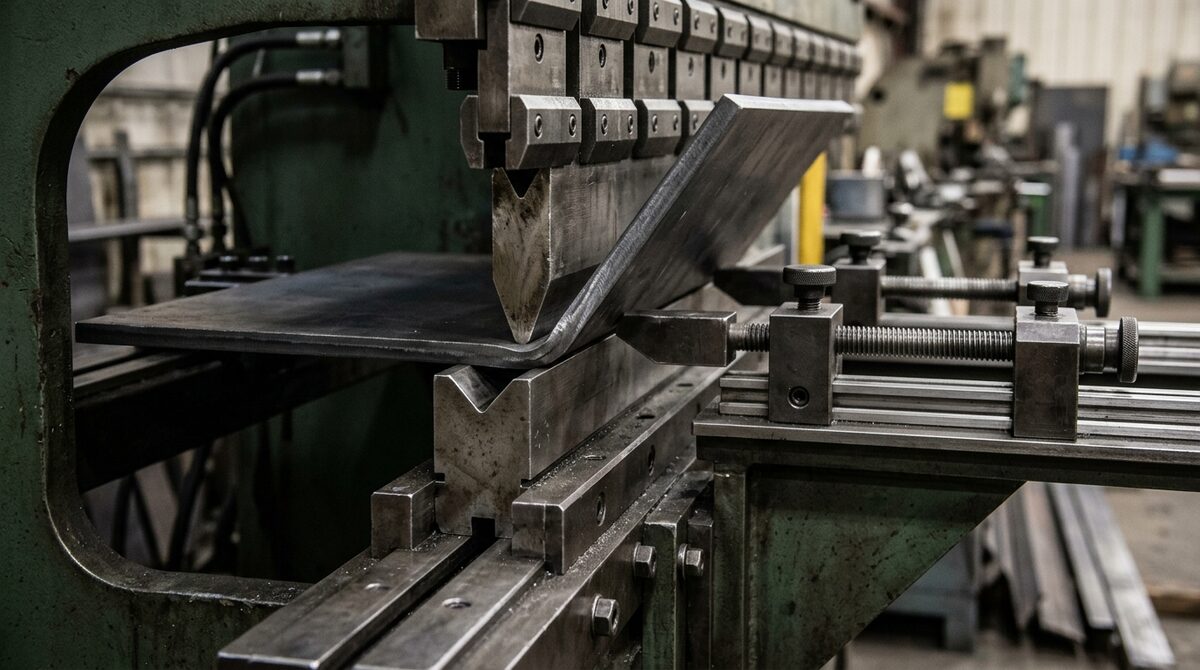
For most Texas shops, the highest-return moves cluster in a few places. Faster, automation-ready cutting — high-power fiber laser cutting, whether flat sheet or structural tube — attacks both throughput and labor at once. Press brakes with modern controls cut setup time and scrap on the forming side, where a lot of hidden cost lives. Abrasive waterjet earns its keep on thick, reflective, or heat-sensitive materials a laser can’t handle cleanly, widening the range of work a shop can quote. The common thread is flexibility: machines that let a shop take on a broader mix of jobs without adding people are the ones that pay for themselves fastest in a market like this one.
Plan Around Lead Times and Support
One practical reminder for the rest of 2026: don’t leave equipment decisions to the last minute. Capital machines carry lead times, installation schedules, and training curves, and shops that plan purchases around their busy season — rather than during a crisis — get better outcomes. Equally important is who stands behind the machine. Uptime is everything, so U.S.-based service, parts availability, and responsive technical support should weigh as heavily in the decision as the spec sheet.
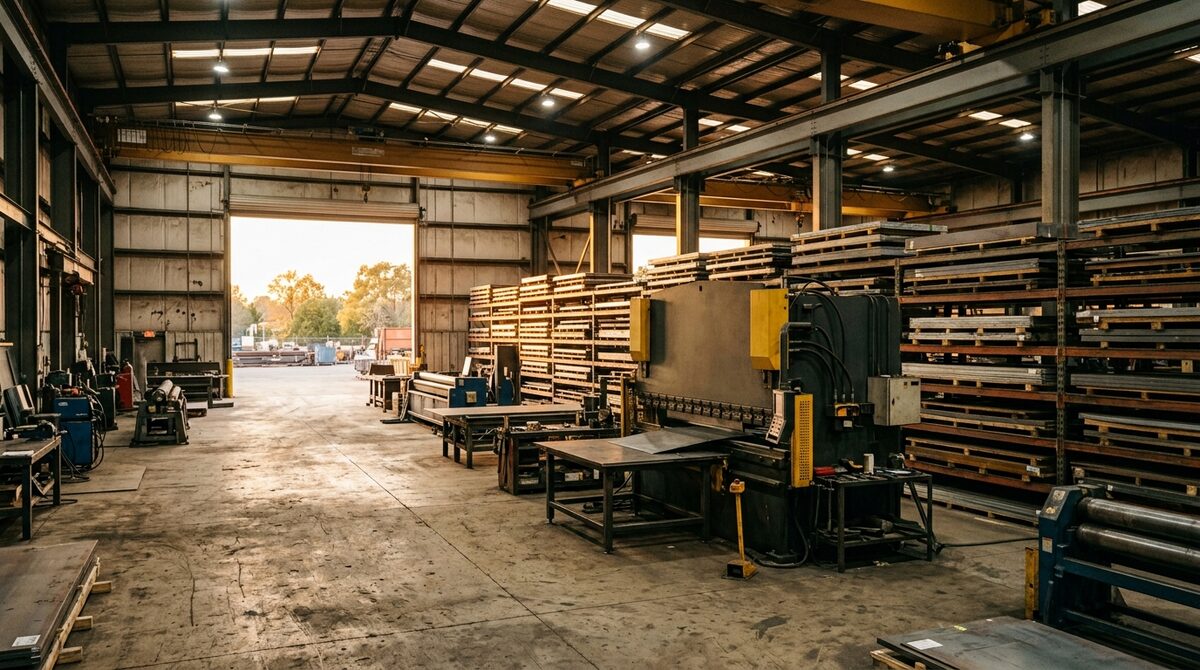
That’s where Southwest Machine Technologies comes in. From its Houston base, SWMT equips fabrication shops across all 254 Texas counties with Dener USA fiber lasers and press brakes, CMS waterjet systems, and the parts, accessories, and maintenance support to keep them running. As demand stays choppy and steel costs stay high, the right equipment partner helps Texas shops turn uncertainty into throughput.
SWMT: Fabrication Machines for Texas Shops
Southwest Machine Technologies supplies high-performance cutting and forming machinery — plus parts, accessories, and maintenance — to machine and fabrication shops across all 254 Texas counties.
Our Services Include:
- Fabrication Machines — Dener fiber lasers, press brakes, and CMS waterjet systems for Texas shops
- Press Brakes — Precise, powerful CNC bending with advanced controls and rugged construction
Facing a high-cost, tight-labor stretch? Contact SWMT to plan an equipment move that fits your work and your budget.
Works Cited
- “Texas Factory Output Growth Slows Further.” Texas Manufacturing Outlook Survey, Federal Reserve Bank of Dallas, 29 June 2026, www.dallasfed.org/research/surveys/tmos/2026/2606. Accessed 22 July 2026.
- “Fact Sheet: President Donald J. Trump Strengthens Tariffs on Steel, Aluminum, and Copper Imports.” The White House, 2 Apr. 2026, www.whitehouse.gov/fact-sheets/2026/04/fact-sheet-president-donald-j-trump-strengthens-tariffs-on-steel-aluminum-and-copper-imports/. Accessed 22 July 2026.


