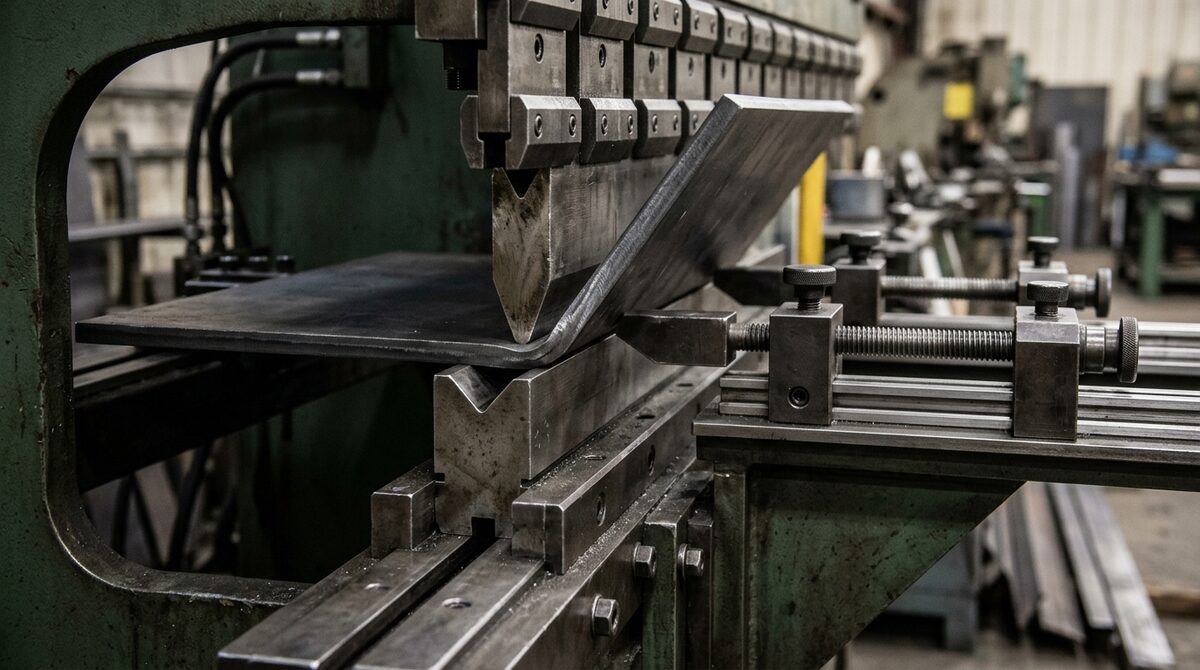
Open post Fabrication shop interior with a press brake mid-ground and racked steel sheet inventory beyond, big-shed volume

The Texas Fabrication Guide to the Rest of 2026: Demand, Steel Costs, and Smart Equipment Moves

Southwest Machine Technologies — Providing high quality products at unmatched value with unrivaled support.

For Texas fabrication shops, the back half of 2026 looks less like a boom and more like a test of discipline. Demand is still growing, but the easy momentum of recent years has faded, input costs remain stubbornly high, and tariff policy keeps shifting the math on both materials and equipment. None of that is a reason to sit still. For most Texas shops, that means an honest look at DENER fiber laser cutting machines and press brakes the machines doing the work in the shops that aren’t waiting.

Demand Is Cooling, Not Collapsing

The headline from the Federal Reserve Bank of Dallas’s June Texas Manufacturing Outlook Survey is steady-but-slower. The production index came in at 4.1 — still positive, but below the survey’s long-run average — while new orders stayed in growth territory at a softer pace. One fabricated-metal manufacturer summed up the mood plainly, reporting slower demand in the second half but a still-generally-strong business climate. Just as important, expectations point up: the survey’s six-month outlook for future general business activity jumped to its highest level in more than a year, and future production stayed firmly positive. For Texas fabricators, that combination — soft near-term, optimistic medium-term — argues for staying ready to scale rather than pulling back.

Steel and Input Costs Are the Wild Card

Press brake forming a bend in plate steel, punch descending into the die, tooling and backgauge in sharp focus

The bigger challenge is cost. Texas manufacturers reported raw-material prices rising for the 74th consecutive month in June, one of the longest cost-pressure streaks on record. Steel sits at the center of that story. Under the federal Section 232 metals program, imported steel and aluminum articles carry a 50% tariff, derivative products a 25% tariff, and certain metal-intensive industrial machinery a temporary 15% rate through 2027, according to the White House. For fabricators, that means material quotes need to be tighter and shorter-dated than they were a few years ago — a long job priced on stale steel costs can quietly erase its own margin. It also means the machinery carve-out is worth understanding, since the reduced rate on certain industrial equipment can affect the landed cost of a capital purchase.

Capital Spending Plans Are Actually Rising

Here’s the counterintuitive part: even with the uncertainty, Texas manufacturers are planning to spend. The Dallas Fed’s future capital-expenditures index jumped more than 14 points in June, and the current capex reading rose as well — a sign that shops see productivity investment as the way through a high-cost, tight-labor environment rather than a bet to postpone. That logic is sound. When you can’t easily add skilled headcount and you can’t control steel prices, the lever you can pull is output per hour. Modern sheet metal fabrication machines do exactly that, turning the same crew and the same material into more finished parts.

Where to Put Your Equipment Dollars

For most Texas shops, the highest-return moves cluster in a few places. Faster, automation-ready cutting — high-power fiber laser cutting, whether flat sheet or structural tube — attacks both throughput and labor at once. Press brakes with modern controls cut setup time and scrap on the forming side, where a lot of hidden cost lives. Abrasive waterjet earns its keep on thick, reflective, or heat-sensitive materials a laser can’t handle cleanly, widening the range of work a shop can quote. The common thread is flexibility: machines that let a shop take on a broader mix of jobs without adding people are the ones that pay for themselves fastest in a market like this one.

Plan Around Lead Times and Support

One practical reminder for the rest of 2026: don’t leave equipment decisions to the last minute. Capital machines carry lead times, installation schedules, and training curves, and shops that plan purchases around their busy season — rather than during a crisis — get better outcomes. Equally important is who stands behind the machine. Uptime is everything, so U.S.-based service, parts availability, and responsive technical support should weigh as heavily in the decision as the spec sheet.

That’s where Southwest Machine Technologies comes in. From its Houston base, SWMT equips fabrication shops across all 254 Texas counties with Dener USA fiber lasers and press brakes, CMS waterjet systems, and the parts, accessories, and maintenance support to keep them running. As demand stays choppy and steel costs stay high, the right equipment partner helps Texas shops turn uncertainty into throughput.

SWMT: Fabrication Machines for Texas Shops

Southwest Machine Technologies supplies high-performance cutting and forming machinery — plus parts, accessories, and maintenance — to machine and fabrication shops across all 254 Texas counties.

Our Services Include:

  • Fabrication Machines — Dener fiber lasers, press brakes, and CMS waterjet systems for Texas shops
  • Press Brakes — Precise, powerful CNC bending with advanced controls and rugged construction

Facing a high-cost, tight-labor stretch? Contact SWMT to plan an equipment move that fits your work and your budget.

Works Cited

  1. “Texas Factory Output Growth Slows Further.” Texas Manufacturing Outlook Survey, Federal Reserve Bank of Dallas, 29 June 2026, www.dallasfed.org/research/surveys/tmos/2026/2606. Accessed 22 July 2026.
  2. “Fact Sheet: President Donald J. Trump Strengthens Tariffs on Steel, Aluminum, and Copper Imports.” The White House, 2 Apr. 2026, www.whitehouse.gov/fact-sheets/2026/04/fact-sheet-president-donald-j-trump-strengthens-tariffs-on-steel-aluminum-and-copper-imports/. Accessed 22 July 2026.
Open post

How Texas Fabrication Shops Are Solving the Skilled Worker Shortage with Automation

Southwest Machine Technologies: Precision Equipment for Texas Fabrication

Texas fabrication shops face a workforce crisis that threatens their ability to capture growing demand. New research from CADDi’s 2026 Manufacturing Outlook Study reveals that 79 percent of manufacturing executives identify the skilled labor shortage as their greatest operational challenge—a figure that has persisted despite years of recruitment efforts, wage increases, and training programs. The manufacturing departments directly responsible for production are hit hardest, with 90 percent of companies reporting these areas experience the most severe staffing gaps.

The mathematics of this shortage are stark. Projections indicate 2.1 million manufacturing positions could remain unfilled by 2030, creating a constraint that no amount of job posting or salary adjustment can resolve. The talent pipeline simply cannot produce enough skilled workers to meet demand. For Texas fabricators watching new orders climb—the Dallas Fed’s January survey showed an 18-point surge in the new orders index—the question becomes how to capture this business without the workers traditionally needed to execute it.

The answer increasingly involves automation technologies that multiply the output of existing teams. Sixty-nine percent of manufacturers plan to invest in robots, equipment, and other physical assets in 2026—a nine percent increase from the previous year. This shift represents recognition that technology investment provides a more reliable path to capacity expansion than competing for workers who may not exist in sufficient numbers.

The Productivity Multiplier Effect

Fiber laser cutting systems exemplify how automation transforms fabrication shop economics. A single skilled operator overseeing modern fiber laser equipment produces output that previously required multiple workers on conventional machinery. The speed differential is dramatic: fiber lasers cut sheet metal three to five times faster than CO2 alternatives and orders of magnitude faster than mechanical cutting processes.

This speed translates to capacity without proportional headcount expansion. A fabrication shop adding a fiber laser system with automatic sheet loading can process significantly more material per shift with the same labor allocation. The technology handles material positioning, executes programmed cutting paths with micron-level precision, and presents completed parts for downstream operations—all with minimal operator intervention once jobs are programmed.

Understanding the broader context of Texas manufacturing’s current momentum helps fabricators evaluate technology investments strategically. Texas Manufacturing Rebounds in 2026: Why Fiber Laser Technology Is Leading the Recovery examines how state-level economic dynamics create opportunities for shops positioned with modern equipment capability.

Quality consistency compounds the productivity advantage. Human operators, regardless of skill level, experience fatigue and attention variation across shifts and weeks. Automated fiber laser systems maintain identical cutting parameters from the first part to the thousandth, eliminating the quality variation that generates scrap, rework, and customer complaints. For fabricators serving demanding industries from aerospace to energy infrastructure, this consistency often determines supplier qualification.

A Structural Shift in Workforce Strategy

Texas fabricators are responding to workforce constraints with focused capital deployment. The Manufacturing Institute reports that 77 percent of manufacturers anticipate ongoing difficulties attracting and retaining workers indefinitely—not as a temporary condition but as a permanent operating reality requiring structural response.

This structural shift favors equipment that reduces labor dependency while maintaining or improving output quality. Fiber laser technology aligns particularly well with these requirements. The systems process diverse materials including reflective metals that challenge other cutting methods, expanding the range of work shops can accept without specialized labor for each material type.

The automation investment surge extends beyond cutting operations. Manufacturers report increasing focus on integrated production systems where fiber lasers connect with automated material handling, inventory management, and quality verification. These integrated cells require fewer workers per unit of output while generating comprehensive production data that supports continuous improvement.

Operational Realities Driving Decisions

Fabrication shop owners making equipment decisions weigh multiple factors beyond labor scarcity. Energy costs represent an increasingly significant operating expense, and fiber laser technology delivers 30 to 40 percent energy savings compared to CO2 alternatives. This efficiency advantage compounds across production volume, generating savings that accumulate throughout equipment life.

Maintenance requirements further differentiate fiber systems in the current labor environment. Traditional CO2 lasers require regular mirror alignment, gas mixture management, and component servicing that demands specialized technical knowledge. Fiber lasers eliminate these maintenance categories entirely, reducing both direct service costs and the skilled technician time such maintenance consumes.

The CADDi research revealed that investment in operational systems like ERP and MES software fell sharply in 2026—dropping from 60 percent to 33 percent of companies prioritizing such spending. Manufacturers are redirecting capital toward technologies that deliver measurable output gains on the shop floor rather than administrative systems. Fiber laser equipment represents exactly the kind of productive asset that generates immediate, quantifiable return.

For shops evaluating specific equipment options, understanding the technical differences between cutting technologies provides essential decision support. Fiber Laser vs. CO2: Which Cutting Technology Fits Your Texas Shop? offers detailed comparison of performance characteristics, operating costs, and application suitability.

SWMT: Your Texas Partner for Fabrication Equipment

Southwest Machine Technologies delivers fiber laser systems engineered to maximize productivity while minimizing labor requirements. Dener USA’s sheet and tube laser platforms incorporate automatic shuttle tables, auto-focusing heads, and intuitive controls that enable rapid operator training and consistent production.

Our Services Include:

  • Fiber Laser Systems – Sheet processing from 5×10 to 8×20 tables with power options up to 20kW
  • Tube Laser Systems – Processing lengths up to 40 feet with automatic loading and unloading

Ready to Multiply Your Workforce Productivity? Contact SWMT to evaluate how fiber laser automation can address your capacity challenges.

Works Cited

“79% of Manufacturing Executives Say Skilled Labor Shortage is Greatest Challenge According to New CADDi Research.” Yahoo Finance, 20 Jan. 2026, finance.yahoo.com/news/79-manufacturing-executives-skilled-labor-150000740.html. Accessed 30 Jan. 2026.

“2.1 Million Manufacturing Jobs Could Go Unfilled by 2030.” The Manufacturing Institute, themanufacturinginstitute.org/2-1-million-manufacturing-jobs-could-go-unfilled-by-2030-11330/. Accessed 30 Jan. 2026.

Related Articles


Open post

Streamlining Manufacturing Workflows Through Strategic Fabrication Machine Integration and Process Optimization

Modern manufacturing facilities face increasing pressure to reduce lead times, minimize costs, and improve quality through optimized production workflows. Fabrication machine integration plays a central role in creating efficient material flow, reducing work-in-process inventory, and maximizing resource utilization. Strategic workflow optimization can transform manufacturing operations from reactive job shops into proactive production systems.

SW Machine Tech provides comprehensive fabrication machines in Texas designed to integrate seamlessly into optimized manufacturing workflows. Our expertise in process engineering, machine integration, and workflow design helps manufacturers create efficient production systems that support competitive advantage. Knowledge of workflow optimization principles enables manufacturers to maximize their fabrication machine investments.

Workflow Analysis and Process Mapping

Current state analysis provides the foundation for workflow optimization by documenting existing processes, identifying bottlenecks, and quantifying improvement opportunities. Value stream mapping techniques capture material flow, information flow, and process timing throughout manufacturing operations. This documentation reveals inefficiencies that may not be obvious during normal operations.

Process mapping identifies non-value-added activities that consume time and resources without contributing to customer value. Transportation, waiting, overproduction, and excess processing often represent significant opportunities for improvement. Systematic elimination of waste creates capacity for increased production without additional equipment investment.

Bottleneck identification focuses improvement efforts on constraints that limit overall system capacity. Manufacturing systems perform at the speed of their slowest operation making bottleneck management critical for workflow optimization. Knowledge of constraint behavior enables strategic decisions about equipment placement and capacity allocation.

Cycle time measurement provides objective data for improvement tracking and capacity planning. Accurate timing data reveals variation sources and improvement opportunities. Standardized measurement procedures enable consistent comparison between different processes and time periods.

Material Flow Optimization Strategies

Material handling systems significantly impact overall workflow efficiency through their effect on transportation time and work-in-process inventory. Conveyor systems, automated guided vehicles, and robotic material handling can reduce manual labor creating consistent material flow. Strategic material handling investment often provides substantial productivity improvements.

Layout optimization reduces transportation distances and eliminates unnecessary material movement. U-shaped cells, straight-line flow, and point-of-use storage minimize handling requirements. Facility layout changes often provide immediate workflow improvements without equipment investment.

Work-in-process inventory reduction improves cash flow and reduces lead times through shortened queue times. Excess inventory often masks workflow problems preventing improvement identification. Systematic inventory reduction reveals improvement opportunities creating more responsive manufacturing systems.

Buffer management balances production smoothing with inventory minimization. Strategic buffer placement protects downstream operations from upstream variation preventing production disruption. Buffer sizing requires knowledge of variation patterns and production requirements.

Machine Integration and Automation Planning

Fabrication machine selection must consider integration requirements including material handling interfaces, control system compatibility, and physical layout constraints. Standalone machine optimization may create system-level inefficiencies. Integrated planning optimizes overall system performance rather than individual machine performance.

Automation integration reduces manual handling and improves consistency through automated material transfer between operations. Robot systems, conveyor interfaces, and automated fixtures enable lights-out production for appropriate applications. Automation investment requires careful analysis of labor costs, quality requirements, and production volumes.

Control system integration enables coordinated operation of multiple machines improving overall system efficiency. Manufacturing execution systems provide production scheduling, real-time monitoring, and data collection capabilities. Integrated control systems optimize production flow and resource utilization.

Communication protocols enable data sharing between machines and enterprise systems supporting advanced scheduling and monitoring capabilities. Industry 4.0 technologies provide real-time visibility into production status enabling rapid response to problems. Data integration supports continuous improvement initiatives through performance tracking.

Production Scheduling and Capacity Management

Advanced scheduling algorithms optimize machine utilization and minimize production lead times through intelligent job sequencing. Traditional first-in-first-out scheduling often creates inefficiencies in multi-machine environments. Sophisticated scheduling considers setup times, material availability, and capacity constraints for optimal results.

Capacity planning balances workload across available resources preventing bottlenecks and idle time. Load leveling techniques distribute work evenly across time periods reducing peak capacity requirements. Capacity analysis identifies expansion needs and guides equipment investment decisions.

Setup reduction programs minimize changeover times enabling smaller batch sizes and improved responsiveness. Single-minute exchange of die (SMED) techniques can reduce setup times dramatically improving flexibility. Quick changeover capabilities enable mixed-model production supporting customer variety requirements.

Ways CNC fabrication enhances product quality in Houston demonstrates how integrated fabrication approaches improve both workflow efficiency and quality outcomes in complex manufacturing environments.

Production sequencing strategies minimize setup changes and optimize material flow through manufacturing systems. Grouping similar operations reduces changeover frequency improving overall efficiency. Strategic sequencing considers material requirements, tooling needs, and downstream operations.

Quality Integration and Error Prevention

Quality at the source prevents defective parts from flowing through manufacturing systems reducing rework and scrap costs. Error-proofing techniques prevent defects from occurring rather than detecting them after production. Integrated quality systems provide immediate feedback enabling rapid problem correction.

Statistical process control monitors key process variables preventing quality problems before they affect production. Real-time monitoring enables rapid response to developing problems. SPC integration with machine controls enables automatic adjustment maintaining process stability.

Inspection integration reduces quality verification time and improves feedback speed. Automated inspection systems provide consistent measurement reducing human error. In-process inspection prevents defective parts from continuing through production reducing rework costs.

Traceability systems track materials and processes throughout manufacturing supporting quality investigation and regulatory compliance. Barcode systems, RFID technology, and database integration provide automated data collection. Complete traceability enables rapid problem isolation and corrective action.

Maintenance Integration and Reliability Management

Preventive maintenance scheduling coordinates maintenance activities with production requirements minimizing disruption to workflow. Maintenance planning considers production schedules, material availability, and resource requirements. Strategic maintenance timing maximizes equipment availability during critical production periods.

Predictive maintenance technologies identify developing problems before they cause equipment failures. Vibration monitoring, thermal imaging, and oil analysis provide early warning of potential problems. Predictive approaches minimize unplanned downtime supporting consistent workflow performance.

Maintenance resource management balances internal capabilities with external service requirements. Skilled maintenance personnel, spare parts inventory, and service agreements all support equipment reliability. Strategic maintenance planning optimizes resource allocation supporting workflow objectives.

Equipment reliability tracking identifies improvement opportunities and guides maintenance strategy development. Mean time between failure, mean time to repair, and overall equipment effectiveness metrics quantify reliability performance. Data-driven maintenance decisions improve workflow stability.

Technology Integration and Industry 4.0 Implementation

Sensor integration provides real-time monitoring of machine performance, product quality, and environmental conditions. Internet of Things (IoT) technologies enable comprehensive data collection supporting advanced analytics. Sensor data provides foundation for automated decision making and optimization.

Data analytics platforms process manufacturing data identifying patterns and optimization opportunities. Machine learning algorithms can identify subtle relationships between process variables and outcomes. Advanced analytics support continuous improvement and optimization initiatives.

Digital twin technology creates virtual models of manufacturing systems enabling simulation and optimization without production disruption. Digital twins support scenario analysis and improvement planning. Virtual commissioning reduces implementation time for workflow changes.

Artificial intelligence applications optimize scheduling, predict maintenance needs, and identify quality problems before they affect production. AI systems can process complex data sets identifying optimization opportunities that may not be obvious to human operators. Strategic AI implementation provides competitive advantages through improved decision making.

Cost Analysis and Performance Measurement

Total cost of ownership analysis guides workflow optimization investment decisions considering all relevant costs including equipment, labor, energy, and overhead. Comprehensive cost analysis prevents optimization decisions that improve one metric degrading overall performance. Life cycle cost analysis supports long-term optimization strategies.

Key performance indicators track workflow effectiveness including throughput, quality, delivery performance, and cost metrics. Balanced scorecards provide comprehensive performance visibility. Regular performance review identifies improvement opportunities and guides optimization priorities.

Return on investment calculations prioritize workflow improvement projects considering payback periods and ongoing benefits. Limited capital resources require systematic prioritization of improvement opportunities. ROI analysis supports optimal allocation of improvement resources.

Benchmarking compares performance against industry standards and best practices identifying improvement opportunities. External benchmarking provides perspective on relative performance. Internal benchmarking tracks improvement progress over time.

Lean Manufacturing and Continuous Improvement

Value stream mapping identifies improvement opportunities throughout manufacturing workflows. Current state mapping documents existing processes revealing waste and inefficiency. Future state mapping designs optimized workflows providing implementation guidance.

Kaizen events focus intensive improvement efforts on specific workflow problems. Cross-functional teams identify and implement rapid improvements. Structured improvement methodologies provide consistent approaches to problem solving.

Standard work documentation captures optimized procedures enabling consistent implementation across shifts and operators. Work standardization reduces variation and provides foundation for further improvement. Living standards evolve with process improvements maintaining relevance.

The top 5 industries in Texas that demand fabrication machines explores how different industries implement workflow optimization strategies to meet their specific manufacturing requirements and competitive challenges.

Visual management systems provide immediate visibility into workflow status enabling rapid response to problems. Andon systems, status boards, and performance displays communicate current conditions. Visual systems support rapid problem identification and resolution.

Implementation Planning and Change Management

Pilot programs test workflow optimization concepts before full implementation reducing risk and providing learning opportunities. Small-scale implementation enables refinement before system-wide rollout. Pilot results provide data supporting larger implementation decisions.

Training programs develop operator skills supporting workflow optimization objectives. Technical training, problem-solving skills, and continuous improvement techniques enable employee participation in optimization efforts. Skilled workforce supports sustained optimization results.

Change management processes address human factors affecting workflow optimization success. Communication, involvement, and support systems help employees adapt to new workflows. Effective change management prevents implementation resistance improving success probability.

Project management methodologies provide structured approaches to workflow optimization implementation. Detailed planning, resource allocation, and progress tracking support successful implementation. Project management disciplines prevent optimization projects from exceeding budgets or timelines.

Creating Your Workflow Optimization Strategy

Workflow optimization requires systematic approaches addressing material flow, machine integration, and human factors. SW Machine Tech provides expertise in fabrication machine integration and workflow design helping manufacturers create efficient production systems.

Our comprehensive approach to workflow optimization includes process analysis, machine integration, and implementation support. We recognize that sustainable workflow improvements require attention to equipment, processes, and people.

Ready to transform your manufacturing workflows through strategic fabrication machine integration? Contact SW Machine Tech today to schedule a consultation and begin planning your workflow optimization program.

Industry Resources and Standards

The Department of Commerce Manufacturing Extension Partnership provides comprehensive resources for manufacturing process improvement and workflow optimization. Their network of local centers offers technical assistance and training programs that support workflow optimization initiatives across diverse manufacturing sectors.

The Environmental Protection Agency’s Lean and Environment Initiative demonstrates how workflow optimization can reduce both waste and environmental impact. Their resources show how lean manufacturing principles create both operational and environmental benefits through improved resource utilization.

Frequently Asked Questions

How do I identify workflow bottlenecks in my manufacturing operation?

Use value stream mapping to document current material and information flow throughout your operation. Time each process step and measure queue times between operations. Calculate throughput capacity for each operation identifying the constraint that limits overall system performance. Monitor actual production data to verify theoretical bottleneck analysis. Focus improvement efforts on the constraint to maximize system-wide improvement.

What’s the best approach to implementing automated material handling?

Start with a comprehensive material flow analysis identifying high-volume, repetitive movements that justify automation investment. Consider integration requirements with existing equipment and future expansion plans. Implement automation in phases beginning with the highest impact applications. Provide adequate training and maintenance support before implementation. Calculate total cost of ownership including installation, programming, and ongoing maintenance.

How can I reduce setup times to improve workflow flexibility?

Apply Single-Minute Exchange of Die (SMED) methodology to systematically reduce changeover times. Separate internal activities (machine must be stopped) from external activities (can be done during operation). Standardize changeover procedures and pre-position tools and materials. Consider quick-change tooling systems and standardized workholding. Document and train standardized changeover procedures for consistent results.

What role does data collection play in workflow optimization?

Data collection provides objective measurement of current performance and improvement results. Real-time data enables rapid response to problems and opportunities. Historical data reveals patterns and trends supporting improvement planning. Automated data collection reduces manual effort providing more comprehensive monitoring. Use data to validate improvement theories and track sustained results.

How do I balance workflow optimization with quality requirements?

Integrate quality checkpoints into optimized workflows preventing defects from flowing downstream. Use error-proofing techniques to prevent quality problems rather than detecting them later. Implement statistical process control to monitor key variables maintaining quality during optimization. Consider quality costs including inspection, rework, and scrap when evaluating workflow changes. Design workflows that support both efficiency and quality objectives simultaneously.


Open post

Finding Quality Fabrication Machines in Dallas Fort Worth: Complete Guide to Metal Fabrication Equipment

Metal fabrication shops throughout Dallas Fort Worth require versatile equipment to meet diverse customer demands across construction, manufacturing, and custom metalwork industries. The metroplex’s booming construction market and expanding manufacturing base create strong demand for quality fabrication machines capable of cutting, forming, and joining various metals efficiently. Selecting the right equipment partner who understands Texas fabrication requirements determines long-term success in this competitive market.

Southwest Machine Technologies provides comprehensive fabrication machine solutions to DFW area metal fabricators. Our extensive inventory includes laser cutting systems, press brakes, shears, plasma tables, and welding equipment from industry-leading manufacturers. We combine decades of fabrication expertise with local market knowledge to help shops build capabilities that drive profitable growth.

Dallas Fort Worth’s Thriving Fabrication Industry

The DFW construction boom fuels demand for structural steel, architectural metals, and custom fabrication services. Commercial developments throughout the metroplex require fabricated steel beams, columns, and decorative elements. Residential growth drives needs for gates, fencing, and ornamental ironwork. This sustained construction activity supports investments in modern fabrication equipment.

Manufacturing expansion across North Texas creates additional fabrication opportunities. Equipment manufacturers need precisely cut and formed sheet metal components. Food processing facilities require stainless steel fabrication meeting sanitary standards. These diverse requirements demand flexible fabrication machines capable of handling various materials and thicknesses.

Transportation infrastructure projects throughout the region provide steady work for equipped fabricators. Highway expansions, rail improvements, and airport developments all require substantial metalwork. Government contracts often specify American-made steel and certified welding procedures. Shops with appropriate equipment and certifications capture these lucrative opportunities.

Core Fabrication Machines Every Shop Needs

Laser cutting systems provide unmatched precision and speed for sheet metal processing. Fiber lasers cut faster through thin materials while reducing operating costs compared to CO2 systems. Automated material handling increases productivity for high-volume operations. Edge quality from laser cutting often eliminates secondary operations.

Press brakes remain fundamental for forming operations in any fabrication shop. CNC controls enable complex bending sequences with consistent accuracy. Quick-change tooling reduces setup time between jobs. Modern press brakes with angle measurement systems compensate for material variations automatically.

Shearing machines handle straight cuts in plate and sheet materials efficiently. Hydraulic shears provide power for thick materials up to 1-inch mild steel. Variable rake angles optimize cut quality across different thicknesses. Programmable back gauges ensure accurate, repeatable cuts for production work.

Advanced Fabrication Technologies

Plasma cutting tables offer economical solutions for thicker materials and lower volumes. High-definition plasma systems approach laser quality on materials under 1 inch. Water tables control smoke and reduce heat distortion. CNC controls integrate with design software for efficient programming.

Waterjet cutting systems excel at materials difficult for thermal processes. Heat-sensitive materials, composites, and extremely thick plates cut without distortion. Abrasive waterjet technology cuts virtually any material. These versatile machines complement other cutting methods in full-service shops.

Tube and pipe processing equipment addresses growing demand for structural fabrication. Tube lasers cut complex joints and holes without manual layout. Pipe cutting and beveling machines prepare welding edges efficiently. These specialized machines dramatically improve productivity on tubular materials.

Evaluating Fabrication Equipment Specifications

Cutting capacity determines maximum material sizes and thicknesses each machine handles. Consider current capabilities plus anticipated growth when sizing equipment. Larger machines provide flexibility but require more floor space and power. Right-sizing prevents both capacity constraints and unnecessary costs.

Positioning accuracy and repeatability affect part quality and material utilization. Modern CNC systems achieve positioning within thousandths of an inch. This precision reduces scrap through optimal nesting. Consistent accuracy eliminates fitting problems during assembly.

Material handling capabilities significantly impact productivity in fabrication operations. Automated loading/unloading systems reduce operator fatigue and improve throughput. Shuttle tables enable continuous cutting while loading next sheets. These features prove especially valuable for high-volume production.

Software Integration and Programming

CAD/CAM software integration streamlines workflow from design through production. Direct import of customer files eliminates manual programming errors. Automatic nesting optimizes material utilization across multiple parts. Modern software suggests cutting parameters based on material specifications.

Shop management software connects fabrication machines with business systems. Real-time production monitoring tracks job progress and machine utilization. Automated quoting based on actual cutting times improves estimate accuracy. These systems provide data driving continuous improvement efforts.

Offline programming capabilities keep machines productive during setup activities. Operators prepare next jobs while current parts run. Simulation features verify programs before cutting expensive materials. This approach maximizes spindle time and reduces costly mistakes.

Local Service and Support Infrastructure

Equipment uptime depends heavily on local service availability. Quality fabrication requires reliable equipment maintained by experienced technicians. Dallas Fort Worth’s large industrial base supports strong service networks. Proximity to service providers minimizes downtime when issues arise.

Consumable availability affects daily operations in fabrication shops. Local stocking of laser lenses, plasma consumables, and wear parts prevents production delays. Established suppliers maintain inventory supporting common equipment brands. Same-day availability keeps production moving smoothly.

Application support helps fabricators tackle challenging projects profitably. Local engineers understand regional material preferences and design practices. Process development assistance proves valuable when entering new markets. This expertise helps shops expand capabilities confidently.

Industry-Specific Fabrication Requirements

Architectural fabricators require equipment producing aesthetically pleasing finishes. Laser cutting provides smooth edges requiring minimal cleanup. Press brakes with special tooling create decorative bends and curves. Surface finish quality directly impacts customer satisfaction in visible applications.

Industrial fabricators prioritize production speed and material handling efficiency. Multi-station laser systems with automated loading maximize throughput. Tandem press brake configurations double bending capacity. Quick-change setups accommodate varied job mixes typical in job shops.

Specialty fabricators working with aluminum, stainless steel, or exotic alloys need appropriate equipment features. Proper cutting gases, specialized consumables, and material-specific parameters ensure quality results. Equipment flexibility accommodates diverse material requirements profitably.

Automation Options for Fabrication Shops

Material handling automation provides quickest return on investment for most shops. Tower systems store multiple sheets for unattended operation. Automated sorting systems organize cut parts by job. These solutions reduce labor costs while improving safety.

Robotic welding cells complement cutting and forming equipment in progressive shops. Consistent weld quality and faster cycle times justify automation investments. Collaborative robots work alongside human welders on complex assemblies. Programming simplicity makes robotics accessible to smaller shops.

Bending automation through robotic press brake tending gains popularity. Robots handle repetitive parts while operators focus on complex work. Tool changing systems enable varied part families. These systems address labor shortages while improving consistency.

Financial Strategies for Equipment Acquisition

Current fabrication trends indicate strong demand for advanced equipment capabilities. Planning purchases strategically positions shops for emerging opportunities. Phased implementation spreads costs while building capabilities progressively.

Leasing options preserve capital while acquiring needed equipment immediately. Operating leases offer lower monthly payments and technology refresh opportunities. Capital leases provide ownership benefits with financing advantages. Tax implications vary, requiring consultation with financial advisors.

Used fabrication equipment provides value when properly evaluated. Professional inspection verifies accuracy and condition before purchase. Refurbishment options restore performance at lower costs than new machines. Careful selection enables capability expansion within budget constraints.

Making Strategic Fabrication Equipment Decisions

Successful fabrication equipment selection requires understanding both current needs and future opportunities. Dallas Fort Worth’s diverse economy provides steady demand for fabrication services. Investing in quality equipment positions shops for long-term success.

Equipment suppliers should demonstrate commitment beyond initial sales. Ongoing support, training, and upgrade paths matter throughout ownership. Local presence provides confidence when service needs arise. Choose partners invested in your fabrication success.

Timing equipment purchases strategically maximizes financial benefits and competitive positioning. End-of-year deals often provide substantial savings on demo units or current models. Trade show specials combine equipment discounts with favorable financing terms. Planning purchases around these opportunities stretches capital further.

Consider total system integration when building fabrication capabilities. Cutting, forming, and joining equipment should work together efficiently. Common software platforms across machines simplify operator training and job management. Material flow between operations affects overall productivity. Systematic planning creates efficient fabrication cells that outperform collections of individual machines.

Industry Resources and Standards

The Fabricators & Manufacturers Association (FMA) provides educational resources and certification programs for metal fabrication professionals. Their training materials help shops improve processes and maintain quality standards. Certification programs validate fabricator capabilities for demanding applications.

The American Welding Society (AWS) establishes welding standards and certification requirements followed throughout the fabrication industry. These standards ensure weld quality and structural integrity. Following AWS guidelines supports customer confidence and meets regulatory requirements.

Partner with Southwest Machine Technologies

Southwest Machine Technologies serves Dallas Fort Worth fabricators with comprehensive equipment solutions. Our experienced team understands local market requirements and helps shops select appropriate machines. From initial consultation through installation and training, we support your fabrication success.

Our commitment extends throughout your equipment ownership experience. Local parts inventory, experienced service technicians, and application support keep your shop productive. We measure success by your operational achievements and business growth.

Ready to upgrade your fabrication capabilities? Contact our knowledgeable team to explore equipment options matched to your specific requirements and growth objectives.

Get Your Custom Fabrication Equipment Quote Today

Frequently Asked Questions About Fabrication Machines in DFW

What’s the most versatile fabrication machine for a startup shop?

A CNC plasma table provides excellent versatility for new fabrication shops, handling various thicknesses and materials at reasonable initial cost. Combined with a hydraulic press brake and shear, this combination addresses most common fabrication needs. Fiber laser systems offer superior cut quality and speed but require larger initial investments. Start with core capabilities and add specialized equipment as business grows.

How much space do I need for a basic fabrication shop setup?

A minimal fabrication shop requires 3,000-5,000 square feet for equipment, material storage, and assembly areas. Laser or plasma tables need 20×40 feet including material handling. Press brakes require 15-foot clearance for sheet handling. Remember overhead crane coverage for material movement. Plan layout carefully to optimize workflow and safety.

What fabrication equipment offers fastest return on investment?

Material handling automation typically provides quickest payback through labor savings and improved safety. A $50,000 sheet loader can eliminate one material handler position. Nesting software reducing scrap by 10-15% pays for itself within months. Focus automation investments on bottleneck operations for maximum impact.

Should I buy new or used fabrication equipment?

New equipment offers warranties, latest technology, and training support valuable for critical operations. Quality used machines from reputable dealers provide 40-60% savings while maintaining productivity. Evaluate total cost including installation, tooling, and training. Consider used equipment for secondary operations and new machines for core processes.

How do I choose between laser, plasma, and waterjet cutting?

Laser excels at high-volume sheet metal with superior edge quality and speed. Plasma handles thick materials economically with good quality on steel. Waterjet cuts any material without heat but operates slower. Many shops combine technologies for maximum flexibility. Match cutting technology to your typical materials and quality requirements.


Open post

Revolutionizing Fabrication: The Tecnocut Smartline

In Texas, where innovation meets tradition, Southwest Machine Technologies (SWMT) proudly introduces the CMS Tecnocut Smartline, a water jet cutting system that’s setting new standards in the fabrication industry. This impressive machine is not just another tool; it shows our commitment to pushing the boundaries of what’s possible in manufacturing.

The Tecnocut Smartline represents Texas ingenuity, combining advanced technology with sturdy reliability. Its useful features, such as the open frame structure with electric gantry plus integrated linear guides, guarantee unmatched accessibility plus ease of use. This design boosts productivity plus reflects our knowledge of the practical needs of Texas fabricators, from active urban workshops to rural manufacturing facilities.

With its ability to handle a diverse range of materials plus thicknesses, the Smartline matches the versatility of the Lone Star State itself. If you’re creating intricate components for the aerospace industry in Houston or cutting heavy-duty parts for oil rigs in the Permian Basin, this machine delivers precision plus efficiency that sets a new standard in the industry. It’s not just about cutting materials; it’s about creating a competitive edge in today’s fast-paced manufacturing field.

The Tecnocut Smartline: A New Standard of Excellence

The CMS Smartline was built with a clear vision: to redefine industry standards of excellence by improving operating efficiency still maintaining CMS’ renowned reputation for top construction plus working quality. This isn’t just marketing speech; it’s a promise backed by years of engineering experience plus deep knowledge of our customers’ needs.

At its core, the Smartline exists to handle a wide range of materials plus thicknesses, making it an ideal choice for shops that need flexibility without compromising on quality. If you’re cutting metal, stone, glass, or composites, the Smartline delivers clean, accurate cuts with minimal waste.

One of the standout features of the Smartline comes from its open frame structure with an electric gantry plus integrated linear guides. This innovative design guarantees easy access to the worktable, making quick plus effortless loading plus unloading of materials. It’s these small but significant details that can make a big difference in day-to-day operations, boosting productivity plus reducing operator fatigue.

The Smartline doesn’t stop at accessibility. It incorporates hardened plus ground rack plus pinions for the movement of all axes, providing precision plus reliability that our customers expect from CMS products. Thermowelded bellows plus protective panels safeguard critical components from water plus dust, guaranteeing longevity plus reducing maintenance needs.

But what truly makes the Smartline unique comes from its performance. With quick speeds of up to 50 m/min plus acceleration of up to 3 m/s², this machine delivers outstanding results in both 3- plus 5-axis configurations. This level of performance, combined with its excellent price/performance ratio, makes the Smartline a smart investment for any glass processing application.

Industries Served: From the Panhandle to the Gulf Coast

At SWMT, we’re not just selling machines; we’re building relationships across the Lone Star State. From Houston to El Paso, from the Panhandle to the Gulf Coast, we’ve earned a reputation for providing top-tier machinery, fabrication equipment, parts, accessories, plus machine maintenance for the machine/fabrication shop industries of Texas.

The Tecnocut Smartline finds its home in a variety of industries, each benefiting from its versatility plus precision:

  • Aerospace: In an industry where precision matters most, the Smartline performs well in cutting complex shapes from advanced materials like titanium plus composites.
  • Automotive: From prototyping to production, the Smartline helps automotive manufacturers stay ahead with its ability to quickly adapt to new designs plus materials.
  • Stone plus Glass: The Smartline’s cold cutting process fits ideally for these delicate materials, producing clean edges without thermal stress.
  • Metal Fabrication: If it’s stainless steel, aluminum, or exotic alloys, the Smartline cuts with precision plus speed, boosting productivity in metal shops across Texas.
  • Sign Making: The versatility of the Smartline allows sign makers to work with a variety of materials, from acrylic to metal, growing their creative possibilities.
  • Oil and Gas: In this key Texas industry, the Smartline proves its worth by cutting precise parts for everything from drilling equipment to refineries.
  • Education plus Research: Universities plus research institutions across Texas use the Smartline for advanced projects plus to train the next generation of engineers plus fabricators.

Texas Areas Served: A Commitment to the Entire Lone Star State

At SWMT, we believe in serving all of Texas, not just the big cities. That’s why we proudly serve ALL 254 counties of Texas, including the metropolitan areas of:

  • Houston: The energy capital of the world, where the Smartline helps fabricators meet the demanding needs of the oil plus gas industry.
  • San Antonio: From aerospace to automotive, San Antonio’s diverse manufacturing base benefits from the Smartline’s versatility.
  • Dallas and Fort Worth: The Metroplex’s thriving tech plus defense industries find a perfect partner in the Smartline’s precision cutting capabilities.
  • Austin: The Silicon Hills’ innovative startups plus established tech giants alike leverage the Smartline for prototyping plus production.
  • El Paso: On the western edge of Texas, manufacturers use the Smartline to stay competitive in the global market.
  • Beaumont and Galveston: These coastal cities rely on the Smartline for marine plus petrochemical industry applications.
  • Waco plus Arlington: Central Texas’ growing manufacturing sector benefits from the Smartline’s efficiency plus precision.
  • Abilene, Lubbock, plus Amarillo: The Panhandle plus West Texas find in the Smartline a tool to boost their diverse manufacturing capabilities.

But our commitment doesn’t stop at the city limits. We understand that innovation happens everywhere, from the smallest machine shop in a rural county to the largest manufacturing plant in a major city. That’s why we make sure that our support, training, plus maintenance services reach every corner of Texas.

The SWMT Difference: More Than Just Machines

What makes SWMT unique isn’t just the quality of our machines like the Tecnocut Smartline; it’s our commitment to our customers’ success. We offer comprehensive training programs to make sure that your team can maximize the potential of the Smartline. Our expert technicians stand always ready to provide maintenance plus support, minimizing downtime plus keeping your operations running smoothly.

Plus, we understand that every manufacturing operation is unique. That’s why we work closely with our customers to develop matched solutions. If it’s a custom machine configuration or a specialized software integration, our team of experts takes the time to understand your specific challenges plus goals.

Looking to the Future

As we look to the future, the fabrication industry in Texas prepares for significant growth plus innovation. The Tecnocut Smartline leads this evolution, incorporating new technologies like artificial intelligence plus machine learning to enable predictive maintenance, optimize cutting paths, plus even suggest design improvements based on production data.

We commit to sustainability, plus the Smartline plays a key role in this. Its cold cutting process doesn’t produce harmful fumes or need coolants, making it an environmentally friendly choice for many applications. As the push for sustainability grows, we’ll continue to seek out plus offer solutions that help our customers reduce their environmental impact without sacrificing performance.

The future of fabrication in Texas involves not just advanced machinery; it’s about creating an ecosystem of innovation plus efficiency. At SWMT, we’re actively working to grow this ecosystem through our partnerships with local industry associations plus educational institutions. We believe that by collaborating with universities plus technical schools, we can help shape the next generation of skilled fabricators who will drive the industry forward.

Plus, we see a trend toward increased customization plus flexibility in manufacturing. The Tecnocut Smartline positions perfectly to meet this demand, with its ability to handle a wide range of materials plus its precision cutting capabilities. This versatility allows manufacturers to quickly adapt to changing market demands plus produce small batches of customized products efficiently.

As we approach 2026, we anticipate that the integration of Internet of Things (IoT) technologies will play an increasingly important role in fabrication. The Smartline already comes equipped with advanced sensors plus connectivity features, allowing for real-time monitoring plus data collection. This data can help further optimize production processes, predict maintenance needs, plus even integrate with other systems in the manufacturing chain for a truly smart factory environment.

In line with Texas’s strong presence in the aerospace plus energy sectors, we focus on developing specialized applications for these industries. The Smartline’s precision plus versatility make it an ideal tool for cutting complex aerospace components or creating custom parts for the oil plus gas industry. By staying attuned to the specific needs of these key Texas industries, we make sure that our technology remains relevant plus valuable in the years to come.

Final Thoughts

The CMS Tecnocut Smartline serves as more than just a water jet cutting system; it opens the door to new possibilities in fabrication. It shows our commitment to providing high-quality products at unmatched value with top support. If you run a small machine shop looking to expand your capabilities or a large manufacturer wanting to optimize your operations, the Smartline plus SWMT can help you move through the changing fabric of fabrication technology.

Together, we can make sure that Texas remains a powerhouse in manufacturing, leading the way in innovation, efficiency, plus quality. Let’s build the future of fabrication together.

Contact us today to learn more about how the Tecnocut Smartline can help you take your manufacturing operations to the next level.

At Southwest Machine Technologies, we’re not just equipping you for today’s challenges – we’re preparing you for tomorrow’s opportunities.

To learn more, contact SWMT!

FAQs

What makes the Tecnocut Smartline different from other water jet cutting systems? The Smartline combines improved operating efficiency with CMS’s legendary construction quality, offering quick speeds, high acceleration, plus a superior price/performance ratio.

What materials can the Tecnocut Smartline cut? The Smartline can cut a wide range of materials including metal, stone, glass, plus composites, making it versatile for various industries.

Does SWMT provide training for operating the Tecnocut Smartline? Yes, we offer comprehensive training programs to make sure your team can maximize the potential of the Smartline.

What industries can benefit from the Tecnocut Smartline? The Smartline helps many industries including aerospace, automotive, stone plus glass, metal fabrication, sign making, oil plus gas, plus education.

How does the Tecnocut Smartline contribute to sustainability? The Smartline uses a cold cutting process that doesn’t produce harmful fumes or need coolants, making it an environmentally friendly choice.

What areas of Texas does SWMT serve? SWMT proudly serves all 254 counties of Texas, including major metropolitan areas plus rural regions.

Can the Tecnocut Smartline be customized for specific manufacturing needs? Yes, we work closely with customers to develop matched solutions, including custom machine configurations plus specialized software integrations.

What kind of maintenance plus support does SWMT offer for the Tecnocut Smartline? We provide ongoing maintenance plus support services, with expert technicians ready to minimize downtime plus keep operations running smoothly.

How does the Tecnocut Smartline incorporate emerging technologies? The Smartline integrates AI plus machine learning for predictive maintenance, optimized cutting paths, plus potential design improvements.

What is the typical return on investment for a Tecnocut Smartline? ROI varies depending on usage, but the Smartline’s efficiency, versatility, plus durability often result in significant long-term cost savings plus productivity gains.

Open post

Revolutionizing Fabrication in the Lone Star State

At Southwest Machine Technologies (SWMT), we’re proud to bring cutting-edge fabrication solutions to every corner of Texas. From the bustling cities to the quiet rural counties, our mission is clear: provide unmatched quality, value, and support for all your fabrication needs. We understand that the heart of Texas industry beats with innovation and determination, and we’re here to fuel that spirit with state-of-the-art machinery and unparalleled expertise.

CMS Water Jets: Precision Redefined

Water jet cutting technology has revolutionized the fabrication industry, and at SWMT, we’re at the forefront of this revolution. Our CMS Water Jets offer precision, versatility, and efficiency that traditional cutting methods simply can’t match. If you’re working with metal, stone, glass, or composites, our water jet systems deliver clean, accurate cuts with minimal waste.

Tecnocut Smartline: Setting New Standard

We’re excited to introduce the CMS Tecnocut Smartline, a water jet cutting system that’s redefining excellence in the industry. This innovative machine combines improved operating efficiency with CMS’s legendary construction quality, making sure you get the best of both worlds – speed and precision. The Smartline is created to handle a wide range of materials and thicknesses, making it an ideal choice for shops that demand flexibility without compromising on quality.

Tecnocut Proline: Advanced Waterjet Technology

The CMS Tecnocut Proline represents the pinnacle of waterjet cutting technology. We’ve incorporated advanced technical solutions to achieve unparalleled performance, making it the go-to choice for fabricators who demand the best. With its robust construction and cutting-edge software, the Proline delivers exceptional accuracy and speed, even on the most complex cutting jobs.

Tecnocut Aquatec: Versatility Meets Performance

For those facing diverse production demands, the CMS Tecnocut Aquatec is a game-changer. This advanced, versatile, high-performance abrasive waterjet cutting system delivers highly accurate cuts across a wide range of applications. From intricate designs to heavy-duty industrial cutting, the Aquatec handles it all with ease, making it an invaluable asset for any fabrication shop.

Cosen Saws: Cutting-Edge Solutions

When it comes to sawing solutions, Cosen is a name that stands for quality and innovation. At SWMT, we’re proud to offer a wide range of Cosen saws, each created to meet specific cutting needs with precision and efficiency.

Horizontal Scissor Saws: Fitted to Your Needs

We offer a variety of Cosen horizontal scissor saws to suit every production level. If you need manual, semi-automatic, or fully automatic operation, we’ve got you covered. Plus, our mitering options make us your one-stop shop for all sawing needs. These saws work perfectly for small to medium-sized shops looking to boost their cutting capabilities without breaking the bank.

Horizontal Column Saws: Stability Meets Efficiency

When stability is paramount, Cosen’s dual column band saws shine. Available in semi-automatic and automatic configurations, these saws are ready to boost your shop’s production capabilities. The dual column design guarantees rigidity and precision, even when cutting large or heavy materials. With features like automatic feed and cutting pressure adjustment, these saws deliver consistent results with minimal operator intervention.

Our Commitment to Texas

At SWMT, we’re not just selling machines – we’re building relationships across the Lone Star State. From Houston to El Paso, from the Panhandle to the Gulf Coast, we’ve earned a reputation for providing top-tier machinery, fabrication equipment, parts, accessories, and machine maintenance. We understand the unique challenges and opportunities of the Texas market, and we’re committed to helping our customers thrive in this dynamic environment.

Our Mission

Our mission is simple yet powerful: Providing high-quality products at unmatched value with unrivaled support. This commitment drives everything we do, from selecting the best machines to offer, to making sure our customers receive top-notch service long after the sale. We believe that our success is directly tied to the success of our customers, and we go above and beyond to make sure that every SWMT customer has the tools and support they need to excel in their field.

Get in Touch

Ready to revolutionize your fabrication capabilities? We’re here to help. If you need a quote, have questions about our products, or want to discuss your specific fabrication needs, don’t hesitate to reach out. Our team of experts is always ready to provide personalized advice and solutions fitted to your unique requirements.

The Future of Fabrication in Texas

As we look to the future, the fabrication industry in Texas is poised for significant growth and innovation. The state’s strong manufacturing base, coupled with its commitment to technological advancement, creates a fertile ground for the evolution of fabrication technologies. At SWMT, we’re not just observers of this evolution – we’re active participants, constantly seeking out new technologies and methods to help our customers stay ahead of the curve.

Emerging Technologies

The integration of artificial intelligence and machine learning into fabrication processes is set to revolutionize the industry. These technologies will enable predictive maintenance, optimize cutting paths, and even suggest design improvements based on production data. We’re already seeing the beginnings of this revolution with our advanced CMS waterjet systems and Cosen saws, which incorporate smart features for improved efficiency and accuracy. As these technologies continue to evolve, we’ll be at the forefront, bringing the latest innovations to our Texas customers.

Sustainable Manufacturing

Sustainability is becoming increasingly important in all industries, and fabrication is no exception. We’re seeing a growing demand for eco-friendly manufacturing processes that minimize waste and energy consumption. Our waterjet cutting systems, for instance, use a cold cutting process that doesn’t produce harmful fumes or require coolants, making them an environmentally friendly choice for many applications. As the push for sustainability grows, we’ll continue to seek out and offer solutions that help our customers reduce their environmental impact without sacrificing performance.

Customization and Flexibility

The trend towards mass customization is driving the need for more flexible manufacturing systems. Our range of fabrication machines, from versatile waterjet cutters to adaptable band saws, allows manufacturers to quickly switch between different products and materials, meeting the growing demand for personalized products. We understand that in today’s fast-paced market, the ability to pivot quickly and efficiently is crucial, and we’re committed to providing the tools that make this possible.

Workforce Development

As fabrication machinery advances, there’s an increasing need for skilled operators who can program, operate, and maintain these sophisticated machines. At SWMT, we’re committed to supporting our customers not just with equipment, but with comprehensive training and ongoing support to make sure they can make the most of their investment. We offer regular training sessions, both on-site and at our facilities, to help operators stay up-to-date with the latest technologies and best practices.

Industry Collaboration

We’re seeing more collaboration between different sectors of the manufacturing industry in Texas. For example, aerospace companies are sharing innovations with automotive manufacturers, leading to cross-pollination of ideas and technologies. This collaborative spirit is driving innovation and helping to position Texas as a leader in advanced manufacturing. At SWMT, we’re proud to be a part of this collaborative ecosystem, creating connections between our customers and industry partners to drive innovation and growth.

The Role of SWMT in Shaping the Future

At Southwest Machine Technologies, we’re not content to simply ride the wave of these industry trends – we’re actively working to shape the future of fabrication in Texas. Our commitment to innovation, customer education, and industry partnerships positions us as a key player in the ongoing evolution of the fabrication industry in the Lone Star State.

Continuous Innovation

We’re constantly updating our product lineup to incorporate the latest technological advancements. If it’s more efficient waterjet cutting systems or smarter, more automated band saws, we’re committed to bringing the best tools to our customers. Our close relationships with manufacturers like CMS and Cosen allow us to stay at the cutting edge of fabrication technology, making sure that our customers always have access to the most advanced and efficient machinery available.

Customer Education

We believe that informed customers make better decisions. That’s why we invest heavily in customer education, offering training sessions, workshops, and resources to help our clients understand and leverage the full potential of their fabrication equipment. From basic operation to advanced techniques, we provide comprehensive training to make sure that our customers can maximize the value of their investment in SWMT machinery.

Personalized Solutions

We understand that every manufacturing operation is unique. That’s why we work closely with our customers to develop fitted solutions that meet their specific needs, if it’s a custom machine configuration or a specialized software integration. Our team of experts takes the time to understand each customer’s unique challenges and goals, allowing us to provide solutions that truly make a difference in their operations.

Industry Partnerships

We maintain strong relationships with leading manufacturers like CMS and Cosen, allowing us to bring the best global innovations to the Texas market. We collaborate with local industry associations and educational institutions to support the growth of the fabrication sector in Texas. These partnerships not only keep us at the forefront of industry trends but allow us to contribute to the broader development of the manufacturing ecosystem in Texas.

Sustainability Initiatives

We’re committed to promoting sustainable manufacturing practices. This includes not only offering eco-friendly equipment options but advising our customers on how to optimize their operations for reduced energy consumption and waste. As sustainability becomes an increasingly important consideration for manufacturers, we’re here to help our customers navigate this new landscape and implement practices that are good for both the environment and the bottom line.

Final Thoughts

The fabrication industry in Texas is at an exciting crossroads, with new technologies and market demands driving rapid change. At Southwest Machine Technologies, we’re proud to be at the forefront of this evolution, providing the tools, expertise, and support that Texas manufacturers need to stay competitive in a global market.

From the precision of CMS waterjet systems to the versatility of Cosen saws, we offer a comprehensive range of solutions to meet the diverse needs of Texas fabricators.

But more than that, we offer a partnership,  a commitment to your success that goes beyond simply selling machines. We’re here to support you every step of the way, from initial consultation to ongoing maintenance and support. As we look to the future, we’re excited about the possibilities that lie ahead. The combination of Texas’s strong manufacturing heritage, its culture of innovation, and its skilled workforce creates a perfect environment for the continued growth and evolution of the fabrication industry.

If you’re a small machine shop looking to expand your capabilities, or a large manufacturer seeking to optimize your operations, SWMT is here to help you navigate the changing landscape of fabrication technology. Together, we can make sure that Texas remains a powerhouse in manufacturing, leading the way in innovation, efficiency, and quality.

Let’s build the future of fabrication, together. Contact us today to learn more about how we can help you take your manufacturing operations to the next level. At Southwest Machine Technologies, we’re not just equipping you for today’s challenges – we’re preparing you for tomorrow’s opportunities. Join us in shaping the future of fabrication in Texas and beyond.

To learn more, contact SWMT! 

FAQs

What types of water jet cutting systems does SWMT offer:

SWMT offers a range of CMS water jet cutting systems, including the Tecnocut Smartline, Tecnocut Proline, and Tecnocut Aquatec. Each system is created to meet different fabrication needs, from versatile cutting capabilities to high-performance abrasive waterjet cutting.

How do Cosen saws differ from other sawing solutions:

Cosen saws, offered by SWMT, are known for their quality and innovation. They come in various configurations, including horizontal scissor saws and horizontal column saws, created to meet specific cutting needs with precision and efficiency.

What areas of Texas does SWMT serve:

SWMT serves all areas of Texas, from major metropolitan areas to rural counties. Their commitment spans from Houston to El Paso, and from the Panhandle to the Gulf Coast, providing top-tier machinery, fabrication equipment, parts, accessories, and machine maintenance.

How does SWMT support workforce development in the fabrication industry:

SWMT offers comprehensive training and ongoing support to make sure customers can maximize their investment. They provide regular training sessions, both on-site and at their facilities, to help operators stay up-to-date with the latest technologies and best practices.

What emerging technologies is SWMT incorporating into their fabrication solutions:

SWMT is integrating artificial intelligence and machine learning into their fabrication processes. These technologies enable predictive maintenance, optimize cutting paths, and can even suggest design improvements based on production data.

How does SWMT address sustainability in manufacturing:

SWMT offers eco-friendly manufacturing solutions, such as waterjet cutting systems that use a cold cutting process, eliminating harmful fumes and coolants. They advise customers on optimizing operations for reduced energy consumption and waste.

What customization options does SWMT offer for their fabrication machines:

SWMT works closely with customers to develop fitted solutions, including custom machine configurations and specialized software integrations. Their team of experts takes time to understand each customer’s unique challenges and goals to provide effective solutions.

How does SWMT contribute to industry collaboration in Texas:

SWMT creates connections between their customers and industry partners to drive innovation and growth. They maintain strong relationships with leading manufacturers and collaborate with local industry associations and educational institutions to support the growth of the fabrication sector in Texas.

What kind of support does SWMT provide after the sale:

SWMT offers ongoing maintenance and support long after the sale. They believe in building long-term relationships with their customers and provide top-notch service to make sure their customers have the tools and support they need to excel in their field.

How is SWMT preparing for the future of fabrication in Texas:

SWMT is actively shaping the future of fabrication in Texas through continuous innovation, customer education, and industry partnerships. They constantly update their product lineup, offer comprehensive training, and collaborate with industry leaders to stay at the forefront of fabrication technology.
Open post

Where to Find Fabrication Machines in Texas: Your Guide to Southwest Machine Technologies

If you’re in need of high-quality fabrication machines in Texas, look no further than Southwest Machine Technologies (SWMT). We have built a strong reputation for providing top-of-the-line machinery, fabrication equipment, parts, accessories, and comprehensive machine maintenance services to fabrication and machine shops across the state. From the metropolitan areas of Houston to the rural reaches of the Panhandle and Gulf Coast, SWMT is your trusted partner in helping Texas businesses improve efficiency, precision, and productivity in their operations.

In this blog, we’ll guide you through the different fabrication machines we offer, the industries we serve, and the Texas areas where our equipment is readily available. Whether you’re a small manufacturing shop or a large industrial operation, we have the right equipment and expertise to support your production goals.

Why Choose SWMT for Your Fabrication Machines?

SWMT is known throughout Texas for offering the highest quality fabrication machines available, with a focus on precision, durability, and performance. Our extensive selection of machinery includes options from top manufacturers such as CMS Water Jets, Cosen Saws, and more, giving Texas manufacturers the equipment they need to stay competitive in their industries.

Our machines are built to handle the most demanding tasks, providing the accuracy and efficiency that businesses in aerospace, automotive, energy, and medical device manufacturing rely on. Whether you’re cutting materials for a precision part or fabricating large components, we have the right tools to support your operations. Our team is dedicated to ensuring that you get the most out of your equipment, which is why we provide comprehensive services such as installation, training, and maintenance.

Here are just a few reasons why we stand out:

  • Wide Selection of Machines: We offer everything from cutting machines to saws, ensuring that every type of fabrication process is covered. Whether you need a CMS Water Jet for intricate cutting or a Cosen Saw for high-efficiency metal cutting, we have the perfect machine for your needs.
  • Customer-Focused Service: From consultation to machine installation and ongoing support, we work closely with our customers to ensure they get the most out of their equipment. Our team of experts is always available to answer questions, provide maintenance services, and help troubleshoot any issues that arise.
  • Serving All of Texas: No matter where your business is located in Texas, we proudly serve all 254 counties, including major metropolitan areas like Houston, Dallas, and San Antonio, as well as more remote locations like El Paso, Lubbock, and Amarillo. We are committed to making sure that businesses across the state have access to the equipment and support they need to thrive.

CMS Water Jets

At SWMT, we offer CMS Water Jets, one of the most reliable cutting solutions in the fabrication industry. Waterjet cutting is a versatile process that uses high-pressure water, often mixed with abrasives, to cut through a variety of materials. CMS Water Jets provide exceptional precision, efficiency, and versatility, making them an ideal choice for businesses in various sectors, including aerospace, automotive, and manufacturing.

Why Choose CMS Water Jets?

  • No Heat-Affected Zones: Since waterjet cutting uses only water and abrasives, it avoids introducing heat to the material, which can lead to warping or distortion.
  • Versatility: CMS Water Jets can cut through nearly any material, from metals to plastics, glass, and even stone, with high precision.
  • Complex Cuts: Capable of cutting intricate shapes, CMS Water Jets are ideal for complex designs and detailed patterns.

Industries Served:

Areas Served:

  • Houston
  • Austin
  • Dallas
  • El Paso
  • And beyond

Cosen Saws

When it comes to cutting metal with precision and efficiency, Cosen Saws are the go-to solution. At SWMT, we offer a selection of Cosen band saws that are designed for both high performance and durability. Cosen Saws are known for their versatility, speed, and the ability to cut through thick, tough materials. Whether you need to cut pipes, beams, or complex parts, Cosen Saws provide the power and accuracy you need to get the job done right.

Why Choose Cosen Saws?

  • High Efficiency: Cosen Saws are built to handle both large-volume and high-precision cutting tasks, making them perfect for fabrication shops of all sizes.
  • Customization: Cosen Saws are customizable, allowing for a wide range of cutting options, whether you need to cut through aluminum, steel, or other materials.
  • Long-Lasting Performance: Known for their durability, Cosen Saws are built to withstand the toughest industrial environments.

Industries Served:

  • Metalworking
  • Manufacturing
  • Construction
  • Aerospace

Areas Served:

  • Houston
  • Fort Worth
  • Waco
  • Abilene
  • Amarillo

Texas Areas We Serve

SWMT is proud to serve all 254 counties in Texas, ensuring that our cutting-edge fabrication machines are accessible to businesses across the entire state. Whether you’re based in a large metropolitan area or a more remote location, we provide our products and services to every corner of Texas, from Houston to El Paso and the Panhandle to the Gulf Coast.

Some of the key Texas areas we serve include:

By serving such a wide range of areas, SWMT ensures that businesses throughout Texas have access to the tools and equipment they need to succeed in today’s competitive marketplace.

Industries Served by SWMT

SWMT provides fabrication machines to businesses in a variety of industries, each with its own unique set of requirements. Our comprehensive product range ensures that businesses across these sectors can access the right equipment for their needs.

Aerospace

In the aerospace industry, precision is everything. Our CMS Water Jets and Cosen Saws allow aerospace manufacturers to create complex, high-tolerance parts that are critical to the success of modern aviation. From turbine blades to airframe components, we provide cutting solutions that meet the high standards of the aerospace industry.

Automotive

The automotive industry demands high-volume production and precision. Our equipment is ideal for cutting and shaping components such as engine parts, body frames, and exhaust systems. With SWMT’s machines, automotive manufacturers can streamline their production process while maintaining high-quality standards.

Medical Devices

Medical device manufacturing requires the highest levels of precision and cleanliness. SWMT’s CMS Water Jets provide a non-heat-affected cutting process, which is critical for producing delicate medical components such as surgical tools, implants, and diagnostic devices.

Energy

The energy sector, including oil and gas, relies on robust equipment that can handle tough materials and demanding production schedules. Cosen Saws are perfect for cutting through metals, pipes, and other tough materials needed in the energy sector.

Manufacturing

From custom fabrication to high-volume production, our machines serve the diverse needs of the manufacturing industry. Whether you need precise cuts for metal panels or the ability to produce large batches of parts quickly, SWMT has the right machines to keep your operations running smoothly.

Why Texas Businesses Choose SWMT

There are several reasons why businesses across Texas turn to SWMT for their fabrication needs:

  • Expertise and Consultation: Our team works closely with businesses to ensure that they select the right equipment for their specific needs. Whether you’re a small shop or a large-scale operation, we can help.
  • Comprehensive Services: We offer not just the equipment, but also installation, training, and ongoing support to ensure that your machines continue to perform at their best.
  • Nationwide Reach with a Local Focus: While we serve clients across the U.S., our primary focus is on providing the best possible service to the businesses of Texas.
  • High-Quality, Reliable Equipment: Our machines come from trusted manufacturers like CMS and Cosen, ensuring that your business receives reliable, long-lasting equipment that enhances productivity.

Conclusion

When you’re looking for fabrication machines in Texas, look no further than Southwest Machine Technologies. From CMS Water Jets to Cosen Saws, we offer the best equipment for businesses in industries such as aerospace, automotive, energy, and medical devices. Our machines are designed to provide the precision, efficiency, and durability needed to meet the demands of modern manufacturing processes. With our commitment to quality, service, and expertise, we are the go-to source for all your fabrication needs across the state of Texas.

Whether you’re based in Houston, Dallas, San Antonio, or any of the other major metropolitan areas, or if you’re operating in rural parts of Texas like Amarillo or El Paso, SWMT is here to help you find the right equipment for your business. Our team understands the unique needs of various industries and offers personalized guidance to help you select the best machine for your operations.

We not only provide high-quality machines but also offer comprehensive support, including installation, training, and maintenance services. This ensures that your equipment continues to operate at peak performance, improving productivity and reducing downtime. Reach out to us today to learn more about how our machines can improve your operations and drive your success. Let SWMT be your trusted partner in achieving manufacturing excellence.

Contact SWMT today! 

FAQs

  1. What types of fabrication machines does Southwest Machine Technologies (SWMT) offer?

SWMT offers a wide range of fabrication machines, including CMS Water Jets, Cosen Saws, and other high-performance machinery suitable for various industries. Our equipment is designed to meet the needs of industries like aerospace, automotive, energy, medical devices, and manufacturing.

  1. How can I choose the right fabrication machine for my business?

At SWMT, we provide expert consultation to help you select the best machine for your specific needs. Our team will work with you to understand your production requirements and recommend the appropriate machine, whether it’s a waterjet or a saw, ensuring maximum efficiency and precision.

  1. Do you offer both new and used fabrication machines?

Yes, SWMT offers both new and used fabrication machines. We ensure that all our machines, whether new or pre-owned, meet our high standards for performance, reliability, and quality.

  1. What industries do you serve with your fabrication machines?

SWMT serves a variety of industries, including aerospace, automotive, medical devices, energy, and manufacturing. Our machines are equipped to handle the unique challenges and precision requirements of each sector.

  1. Which areas of Texas do you serve?

We proudly serve all 254 counties in Texas, including major metropolitan areas like Houston, Dallas, San Antonio, and Austin, as well as rural locations such as El Paso, Lubbock, and Amarillo.

  1. What are the benefits of using CMS Water Jets in fabrication?

CMS Water Jets provide precise, clean cuts without heat-affected zones, making them ideal for intricate designs and materials sensitive to heat. They can cut through a wide range of materials, including metal, glass, stone, and plastics.

  1. Can Cosen Saws handle both small and large-scale production?

Yes, Cosen Saws are versatile and can be customized to handle both small and large-scale production tasks. They are designed for high performance, making them suitable for cutting tough materials in both high-volume and high-precision applications.

  1. Do you provide machine installation and training services?

Yes, SWMT offers comprehensive support, including installation and training services, to ensure that your team can operate the machines efficiently. Our experts will guide you through setup and provide ongoing support to ensure the machines perform at their best.

  1. What kind of maintenance services do you provide for fabrication machines?

We offer full-service maintenance for all the machines we sell. Our services include regular inspections, troubleshooting, part replacements, and repairs to keep your machines running smoothly and avoid unexpected downtime.

  1. How can I get in touch with SWMT to learn more about your fabrication machines?

You can contact us through our website or give us a call to speak with one of our experts. We’ll be happy to discuss your specific needs and help you choose the right machine for your business.

Open post

The Top 5 Industries in Texas That Demand Fabrication Machines

Texas is known for its robust industrial landscape, driven by a variety of sectors that require precision-engineered components and large-scale manufacturing processes. From energy production to aerospace innovation, the state’s industries are a driving force behind its economic success. Among the critical machinery fueling this industrial growth are fabrication machines. These machines play an essential role in shaping, cutting, and assembling raw materials into finished products, ensuring that manufacturers meet the high demands of industries such as oil and gas, aerospace, automotive, and beyond.

Texas’ diverse industries often require parts that are not only high in precision but also built to withstand extreme conditions. Whether it’s fabricating pipelines for the oil and gas industry or constructing the airframe of a next-generation aircraft, fabrication machines ensure that each component meets stringent safety and performance standards. The ability to manipulate various materials, from steel and aluminum to advanced composites, makes these machines indispensable to manufacturers across the state.

Fabrication machines, which include welding equipment, cutting systems, bending machines, and presses, offer the versatility and reliability needed to handle the diverse needs of Texas industries. In this blog, we will explore the top five industries in Texas that heavily rely on fabrication machines, the specific applications of these machines, and how Southwest Machine Technologies (SWMT) supports these sectors with cutting-edge solutions.

1. Oil and Gas Industry

Texas is a global leader in the oil and gas industry, with vast reserves of natural resources that are extracted, processed, and distributed both domestically and internationally. The state’s strategic location and robust infrastructure make it a hub for oil production and refining, attracting major companies and investments. The machinery used in oilfields and refineries must withstand extreme conditions, including high pressure, heat, and corrosive environments, making precision and durability essential for the safety and efficiency of operations.

Why Fabrication Machines Are Essential:

  • Pipeline Manufacturing: Fabrication machines are used to cut, bend, and weld the pipelines that transport crude oil and natural gas across the state and beyond. Ensuring the pipelines are fabricated to precise specifications helps prevent leaks and withstand the harsh operating conditions found in oilfields.
  • Storage Tanks: Fabrication equipment plays a critical role in building large storage tanks for crude oil, gasoline, and liquefied natural gas. These tanks require precise assembly to maintain structural integrity and safety.
  • Valves and Fittings: Specialized fabrication machines are used to produce durable valves, flanges, and fittings that regulate fluid flow in refineries and oil rigs. These components must be fabricated with exacting accuracy to function properly in high-pressure environments.

In addition to these applications, fabrication machines also contribute to the production of safety equipment and specialized tools used in the oil and gas sector. SWMT supplies the oil and gas industry with advanced fabrication machines that are designed to handle the heavy-duty requirements of this sector, ensuring high performance, reliability, and the capability to adapt to ever-evolving industry standards.

2. Aerospace and Defense

Texas is home to numerous aerospace and defense companies that require high-precision parts and equipment to ensure the safety and functionality of aircraft and defense systems. Companies such as Lockheed Martin, Raytheon, and Bell Helicopter operate large facilities in Texas, where they produce everything from aircraft components to military equipment. The aerospace sector is vital not only for national security but also for economic growth, employing thousands of skilled workers and contributing significantly to the state’s GDP.

Why Fabrication Machines Are Essential:

  • Airframe Components: Fabrication machines are used to form and assemble key airframe parts, such as fuselage sections, wings, and landing gear assemblies. The high-strength materials used in aerospace require precise cutting, shaping, and joining to ensure that components meet stringent safety standards.
  • Turbine and Engine Parts: Fabrication machines are also crucial in manufacturing turbine blades and engine components, which must operate under extreme temperatures and stress. These parts require fine-tuned fabrication to ensure proper performance.
  • Defense Systems: From missile systems to radar units, fabrication machines help produce complex assemblies used in national defense. Many of these components require multi-process fabrication, including cutting, welding, and bending, to achieve the desired shape and performance.

Moreover, as the aerospace and defense industries continue to advance technologically, the demand for innovative fabrication solutions increases. SWMT’s high-precision fabrication machines enable aerospace and defense manufacturers in Texas to produce components that meet the industry’s exacting standards for quality, safety, and performance, supporting their ongoing commitment to excellence in engineering and production.

3. Automotive Industry

Texas has become a growing hub for automotive manufacturing and parts production, particularly in cities like Arlington and San Antonio. With major automotive companies establishing facilities in the state, Texas is emerging as a key player in the national automotive landscape. The automotive industry relies on high-precision fabrication processes to produce the parts and systems that keep vehicles running smoothly and safely. The combination of advanced technology and skilled labor allows Texas manufacturers to meet both domestic and international demands.

Why Fabrication Machines Are Essential:

  • Chassis and Frame Construction: Fabrication machines are used to cut and weld the steel frames and chassis that form the backbone of cars and trucks. These components must be manufactured with high precision to ensure they meet safety regulations and provide structural integrity. Any discrepancies can lead to safety risks or product recalls.
  • Exhaust Systems: Fabrication machines also play a key role in producing exhaust systems, which must be precisely cut, bent, and assembled to ensure proper fit and function. These systems are essential for vehicle performance and emissions control, directly affecting a vehicle’s efficiency and environmental impact.
  • Custom Parts: Many automotive manufacturers rely on fabrication machines to create custom parts for high-performance or specialized vehicles. These custom parts require detailed fabrication processes, including laser cutting, CNC machining, and welding, to achieve the desired specifications and functionality.

By providing robust fabrication machines, SWMT helps automotive manufacturers in Texas produce parts with the precision and durability needed to meet performance, safety, and environmental standards, ensuring that Texas remains at the forefront of the automotive industry.

4. Renewable Energy

As the world shifts towards cleaner energy, Texas is positioning itself as a leader in renewable energy production, particularly in wind and solar power. The state’s vast landscapes and favorable climate conditions make it an ideal location for renewable energy projects. The renewable energy sector requires large-scale components that can withstand environmental conditions and deliver reliable performance for decades, playing a crucial role in the transition to sustainable energy solutions.

Why Fabrication Machines Are Essential:

  • Wind Turbine Components: Fabrication machines are used to cut and shape large components for wind turbines, such as blades, towers, and nacelles. These parts must be fabricated with high precision to ensure that the turbines operate efficiently and safely. Any imperfections can compromise the turbine’s performance and longevity.
  • Solar Panel Mounting Systems: Fabrication machines play a vital role in producing the support structures and tracking systems for solar panels. These systems must be accurately fabricated to position solar panels for maximum energy capture, enhancing overall efficiency.
  • Energy Storage: Fabrication machines are used to create enclosures and frames for energy storage systems, such as battery packs and other energy storage devices. These components must be fabricated with exacting standards to ensure safe and reliable operation, supporting the growing demand for energy storage solutions.

SWMT’s advanced fabrication machines are ideal for the renewable energy sector, helping manufacturers produce large, high-precision components that contribute to the growth of clean energy infrastructure and advance Texas’s commitment to a sustainable energy future.

5. Construction and Infrastructure

Texas is one of the fastest-growing states in the U.S., with a booming construction industry that is constantly building roads, bridges, skyscrapers, and industrial facilities. The state’s rapid urbanization and expanding economy create an ever-increasing demand for new infrastructure. The construction industry relies heavily on fabrication machines to produce the structural components that form the foundation of these projects, ensuring that they meet both safety and design specifications.

Why Fabrication Machines Are Essential:

  • Steel Beams and Girders: Fabrication machines are used to cut and assemble steel beams, girders, and other structural components that are essential for building bridges, high-rise buildings, and industrial facilities. These components must be precisely fabricated to ensure they meet load-bearing and safety requirements, making them crucial for the stability of any construction project.
  • Architectural Metalwork: From railings to decorative facades, fabrication machines help create architectural metalwork used in both commercial and residential construction. These components require precise cutting, bending, and welding to meet design specifications, contributing to the aesthetic and functional aspects of buildings.
  • Heavy Equipment: Construction equipment, such as cranes and bulldozers, relies on fabricated parts, including frames, arms, and buckets. These heavy-duty components require durable fabrication processes to withstand the wear and tear of construction work, ensuring reliability on the job site.

By offering powerful fabrication machines, SWMT enables the construction industry in Texas to produce the structural components and equipment needed for building and infrastructure projects with confidence, supporting the state’s continued growth and development.

Conclusion

The demand for precision-engineered components and high-performance fabrication processes is growing across multiple industries in Texas. From the oil and gas sector to aerospace and defense, from automotive to renewable energy and construction, the need for versatile and reliable fabrication machines is evident. As industries evolve and adapt to new technologies and regulations, the requirement for high-quality, precise fabrication becomes increasingly critical for maintaining safety and efficiency.

Southwest Machine Technologies (SWMT) is at the forefront of meeting this demand by providing Texas manufacturers with cutting-edge fabrication machines that enable efficient, high-quality production. Whether fabricating large structural components or intricate parts, SWMT’s machines are built to handle the diverse needs of these key industries, ensuring they continue to thrive in a competitive marketplace. By offering advanced technology and robust support, SWMT empowers manufacturers to enhance their operational capabilities, drive innovation, and stay ahead of industry trends, contributing significantly to Texas’s reputation as an industrial powerhouse.

Contact SWMT today! 

Top 10 FAQs

  1. What is a fabrication machine, and what does it do? A fabrication machine is a tool used to cut, shape, weld, and assemble raw materials into finished products or components. These machines are essential in many industries for creating both large structural parts and intricate components.
  2. How do fabrication machines contribute to the oil and gas industry? Fabrication machines are used to create pipelines, storage tanks, and valve components, ensuring that they meet the exact specifications required to withstand high pressures and corrosive environments in oilfields and refineries.
  3. Why are fabrication machines important for the aerospace industry? Fabrication machines are essential for producing high-precision airframe components, turbine parts, and defense systems, which require exacting tolerances and performance standards in aerospace and defense manufacturing.
  4. What types of materials can fabrication machines work with? Fabrication machines can work with a wide range of materials, including steel, aluminum, titanium, plastics, and composites, depending on the industry and application.
  5. How do fabrication machines support the automotive industry? Fabrication machines are used to produce critical automotive components, including chassis frames, exhaust systems, and custom parts, all of which require precision and durability.
  6. What role do fabrication machines play in renewable energy? Fabrication machines are used to manufacture large components for wind turbines, solar panel mounts, and energy storage systems, all of which require precise fabrication to ensure efficiency and longevity.
  7. How does SWMT support manufacturers in Texas? SWMT provides high-performance fabrication machines and expert support, helping Texas manufacturers optimize their production processes and meet industry-specific demands.
  8. What are the key features of modern fabrication machines? Modern fabrication machines often feature CNC capabilities, automation, multi-axis movement, and advanced materials handling, allowing for precise, efficient, and versatile manufacturing.
  9. How do fabrication machines benefit the construction industry? Fabrication machines are used to produce steel beams, architectural metalwork, and heavy equipment components, which are essential for building and infrastructure projects.
  10. What should companies consider when selecting a fabrication machine? Key considerations include the materials being fabricated, the complexity of the parts, production volume, and the level of precision required for the application.
Scroll to top