Open post

Texas Manufacturers Face Equipment Modernization Pressure as Production Activity Accelerates

Southwest Machine Technologies: Providing High Quality Products at Unmatched Value with Unrivaled Support

Texas factory activity expanded at a markedly faster pace in November 2025, with the production index jumping 15 points to 20.5 according to the Federal Reserve Bank of Dallas—a reading indicating the strongest output growth the state has seen in months. Capacity utilization surged 21 points to 19.4, and shipments climbed nine points to 15.1, signaling that manufacturers across the Lone Star State are running harder than they have all year. Yet this acceleration arrives alongside persistent challenges that threaten to constrain growth: workforce shortages exceeding 60,000 positions in manufacturing alone, rising raw material costs, and equipment modernization demands that many shops struggle to meet.

The pressure on Texas manufacturers reflects a broader reality reshaping American industrial production. Companies that invested in modern fabrication equipment before the current expansion find themselves positioned to capture demand. Those still running aging machinery face capacity constraints precisely when orders are flowing. The Dallas Fed Texas Manufacturing Outlook Survey documented this tension directly, with raw materials prices jumping to 35.3 on their index—the highest sustained pricing pressure in over two years—while finished goods prices rose to 10.8 as manufacturers passed costs downstream.

The equipment decisions Texas manufacturers make today will determine their competitive position for the next decade. Waterjet cutting systems, CNC machining centers, and precision fabrication equipment represent capital investments that enable shops to accept work they would otherwise decline. For metal fabricators serving aerospace, automotive, energy, and construction sectors across Houston, Dallas, San Antonio, and Austin, equipment modernization has shifted from optional upgrade to operational necessity.

Production Growth Meets Capacity Constraints

The November production surge caught many Texas manufacturers operating near their limits. Seventeen percent of firms reported net hiring while sixteen percent reported layoffs—essentially flat employment despite accelerating output. This paradox reveals the real constraint facing the sector: not demand, but capacity and capability to fulfill it. Manufacturers are pushing existing equipment and existing teams harder rather than expanding, a strategy that generates short-term results but creates long-term vulnerabilities in quality, maintenance, and employee retention.

Hours worked increased 15 points to 9.9, confirming that Texas manufacturers achieved their output gains through overtime rather than workforce expansion. The approach makes economic sense when orders are uncertain, but November’s data suggested anything but uncertainty in demand. New orders climbed to 4.8 from negative territory, and future production expectations jumped to 33.7—the strongest forward-looking indicator in months. Manufacturers expect activity to remain elevated, creating pressure to translate temporary capacity stretches into permanent capability expansions.

The equipment intensity of modern manufacturing means capital investment often delivers greater returns than headcount expansion. A single waterjet cutting system or multi-axis machining center can accomplish work that previously required multiple operators on conventional equipment. Automation doesn’t eliminate jobs so much as redefine them, transforming machine operators into equipment technicians capable of programming, maintaining, and optimizing sophisticated production systems. This evolution explains why manufacturers facing worker shortages increasingly turn to equipment modernization as their primary growth strategy.

Understanding how precision equipment investments are reshaping fabrication capabilities across the state, as explored in CNC Machine Market Surges Past $100 Billion as Texas Shops Invest in Precision Equipment, provides context for the capital decisions manufacturers face. The choice between incremental upgrades and transformational equipment investments often determines whether shops capture growth or lose ground to better-equipped competitors.

Workforce Challenges Amplify Equipment Imperatives

Texas manufacturing confronts a workforce gap that traditional hiring alone cannot close. The National Association of Manufacturers reports the sector faces a consistent shortage exceeding 60,000 workers statewide, with positions in technical roles like machinists, welders, and equipment technicians proving especially difficult to fill. The Texas Workforce Commission notes that only 32 percent of Texas workers currently possess qualifications matching available jobs, while 47 percent of positions require postsecondary skills training that the educational pipeline delivers too slowly.

The workforce mathematics force manufacturers toward equipment solutions. When skilled operators prove scarce, equipment that reduces operator intensity per part produced becomes strategically valuable. Modern fabrication machines incorporate features specifically designed to address skill shortages: conversational programming interfaces that reduce training time, automated tool changers that minimize setup complexity, and real-time monitoring systems that catch errors before they generate scrap. Equipment investments become workforce investments when they enable existing employees to accomplish more.

The Fortune Business Insights CNC machine market analysis projects the global market growing from $101.22 billion in 2025 to $195.59 billion by 2032, driven substantially by manufacturers seeking automation solutions for labor constraints. The U.S. market specifically is expected to reach $15.03 billion by 2032, with aerospace, automotive, and precision engineering sectors leading adoption. Texas manufacturers participate in this global equipment trend while facing regional competitive dynamics that make modernization particularly urgent.

The equipment-workforce relationship extends beyond productivity metrics to encompass talent attraction. Manufacturers operating modern equipment find recruiting easier than those running decades-old machinery. Technical workers with CNC programming skills and automation experience gravitate toward shops where their capabilities translate into interesting work rather than frustrated workarounds for obsolete systems. Equipment modernization thus compounds its benefits—enabling higher productivity while simultaneously improving the talent pool available to achieve it.

Regional Manufacturing Strength Creates Opportunity

Governor Abbott’s proclamation of Manufacturing Week 2025 highlighted Texas as the manufacturing capital of the nation, home to a sector driving the state’s $2.7 trillion economy—the eighth largest in the world. The recognition reflects reality: Texas manufacturers benefit from geographic advantages, energy access, regulatory environment, and market proximity that competitors in other states cannot replicate. These structural advantages translate into growth opportunities for manufacturers positioned to capture them.

The Dallas-Fort Worth area requires an estimated 130,000 additional skilled workers over the next decade to maintain current growth trajectories, according to Federal Reserve Bank of Dallas research. Houston’s manufacturing base continues expanding around energy, aerospace, and industrial equipment sectors. San Antonio and Austin add manufacturing employment as technology companies localize production. Each metropolitan area’s growth creates demand for fabrication services that equipped manufacturers can fulfill—and that under-equipped operations must decline.

State workforce development initiatives recognize the equipment dimension of manufacturing competitiveness. Programs like Texas A&M Engineering Extension Service’s advanced manufacturing training facilities in Brownsville and the Coastal Bend prepare workers for careers operating sophisticated production equipment. The state’s emphasis on Industry 4.0 readiness acknowledges that modern manufacturing increasingly depends on digital integration, automation, and precision capabilities that only advanced equipment provides.

The regional dynamics of waterjet cutting technology, examined in Waterjet Cutting Technology Gains Ground in Texas Metal Fabrication Operations, illustrate how specific equipment categories are reshaping competitive landscapes across Texas manufacturing sectors. Fabricators adding waterjet capabilities access work streams previously unavailable, from aerospace composites to architectural metals to precision industrial components.

Price Pressures and Investment Decisions

Raw material costs represented the most significant pressure point in November’s manufacturing survey, with the index reaching 35.3—well above historical averages and indicating sustained input price increases. Manufacturers reported finished goods price increases reaching 10.8, but the gap between input and output pricing suggests margin compression that many operations cannot sustain indefinitely. Equipment that reduces material waste, improves first-pass yields, and accelerates production cycles directly addresses this margin pressure.

The investment calculus for fabrication equipment increasingly incorporates not just production speed but material efficiency. Waterjet cutting systems generate minimal kerf waste compared to traditional cutting methods. Multi-axis machining centers produce complex parts in single setups that would otherwise require multiple operations with handling damage risks. Precision capabilities reduce the scrap rates that consume both material and labor costs. When raw material prices remain elevated, these efficiency gains compound into significant competitive advantages.

Survey respondents across Texas manufacturing sectors expressed consistent themes: uncertainty about tariff impacts, pressure from pricing environments, and determination to invest through challenges rather than retreat. One machinery manufacturer reported November as their most profitable month of the year despite broader concerns, attributing success to increased business activity and new projects. Another noted that even modest interest rate decreases had provided confidence for expansion planning. The manufacturers achieving success share equipment capabilities enabling them to capture opportunity while competitors struggle with capacity constraints.

Capital expenditure intentions rose to 9.8 in November, with future investment expectations reaching 12.9—both readings indicating manufacturers plan equipment investments despite economic uncertainties. The forward-looking data suggests Texas manufacturers understand that competitive position depends on capability, not just cost management. Equipment investments made during periods of strong demand position shops to serve customers when conditions moderate, building relationships and reputation that persist through economic cycles.

Southwest Machine Technologies: Your Texas Fabrication Equipment Partner

Southwest Machine Technologies serves manufacturers across all 254 Texas counties with industry-leading machine tools, fabrication equipment, parts and accessories, and application support. Founded in 2022 and headquartered in Houston, our team brings over 125 years of combined experience to every customer relationship, with sales professionals who understand shop floor realities from direct experience.

Our Equipment Solutions Include:

  • Fabrication Machines – CMS waterjet cutting systems, Cosen saws, and precision fabrication equipment engineered for Texas manufacturing demands
  • Milling and Turning Centers – Smart Machine Tools, HNK, and Fuji Machine America machinery with FANUC controls and comprehensive service support

Ready to Expand Your Capabilities? Contact Southwest Machine Technologies to discuss how modern fabrication equipment can position your operation for Texas manufacturing’s continued growth.

Works Cited

“Texas Manufacturing Activity Accelerates, Though Employment Remains Flat.” Federal Reserve Bank of Dallas, Texas Manufacturing Outlook Survey, 24 Nov. 2025, www.dallasfed.org/research/surveys/tmos/2025/2511. Accessed 9 Dec. 2025.

“CNC (Computer Numerical Control) Machine Market Size, Share & Industry Analysis.” Fortune Business Insights, Nov. 2025, www.fortunebusinessinsights.com/industry-reports/computer-numerical-controls-cnc-machine-tools-market-101707. Accessed 9 Dec. 2025.

Related Articles


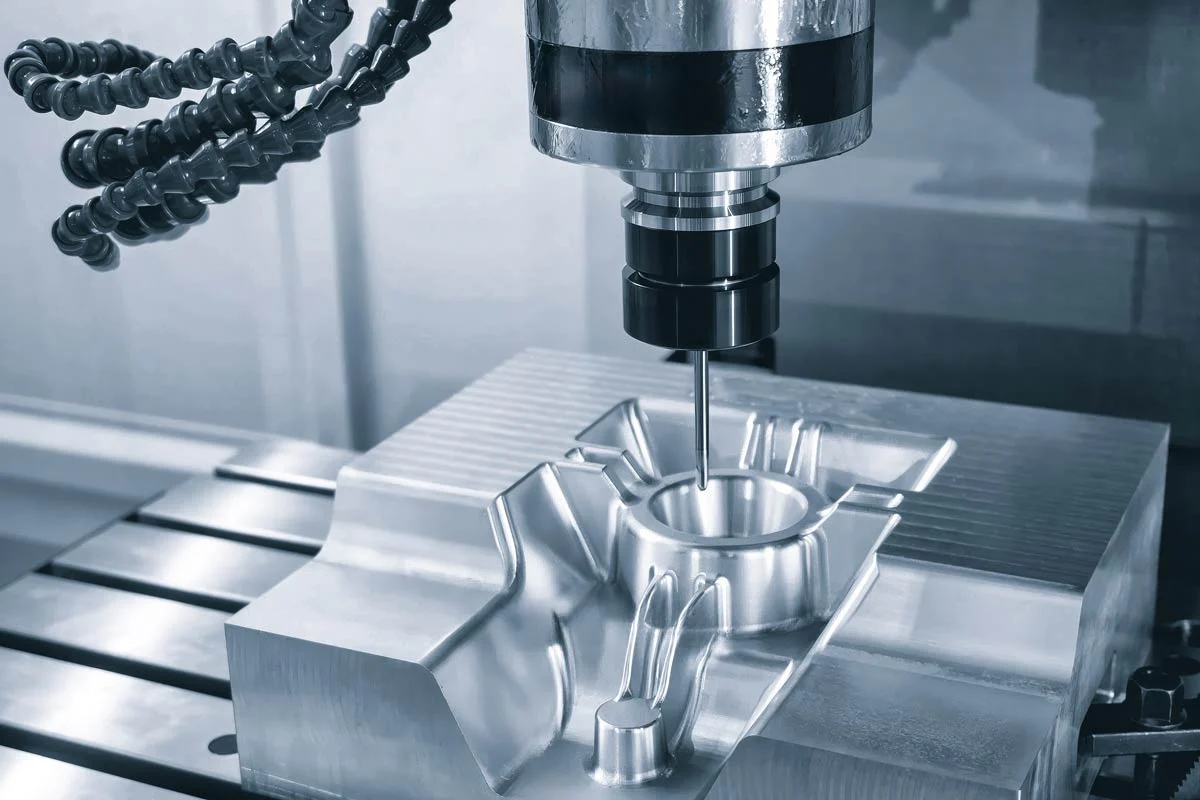
Open post Modern CNC machine tools operating in a Texas manufacturing facility, reflecting the precision and technology driving the $100B+ market.

CNC Machine Market Surges Past $100 Billion as Texas Shops Invest in Precision Equipment

Southwest Machine Technologies: Providing High Quality Products at Unmatched Value with Unrivaled Support

The global CNC machine tools market reached $25.53 billion in 2024 and is projected to expand to $44.64 billion by 2033, growing at a compound annual rate of 6.4 percent according to recent industry analysis. The United States commands approximately 32 percent of global market share, with over 38,000 CNC machines installed across industries and more than 2,100 manufacturers and suppliers supporting domestic production capabilities. For Texas fabrication shops competing in aerospace, automotive, energy, and precision manufacturing, this equipment investment surge represents both opportunity and competitive imperative.

The acceleration in CNC adoption reflects fundamental shifts in how manufacturers approach production challenges. Labor constraints affecting 60 percent of machine tool companies globally are pushing shops toward automation solutions that reduce operator intensity while maintaining output quality. Demand for 5-axis CNC machines—equipment capable of producing complex geometries in single setups—rose 24 percent year-over-year as manufacturers recognize that capability investments deliver returns traditional hiring strategies cannot match. The technology transition transforms shop floor economics by enabling smaller teams to accomplish work that previously required larger crews operating conventional equipment.

Texas manufacturers operate within this global equipment evolution while facing regional dynamics that amplify investment urgency. As detailed in Texas Manufacturers Face Equipment Modernization Pressure as Production Activity Accelerates, the state’s production index jumped 15 points in November 2025 while employment remained essentially flat—evidence that output gains increasingly depend on equipment capability rather than headcount expansion. Shops positioned with modern CNC systems capture the demand surge while competitors constrained by aging machinery watch opportunities pass to better-equipped rivals.

Precision Requirements Drive Technology Adoption

The automotive and aerospace sectors account for 58 percent of all CNC machine deployments in the United States, reflecting the precision requirements that define modern manufacturing. Engine components, transmission parts, turbine blades, and airframe structures demand tolerances measured in thousandths of an inch—specifications that only computer-controlled equipment can achieve consistently across production volumes. Texas manufacturers serving these sectors compete against suppliers worldwide, making equipment capability a threshold requirement rather than a competitive differentiator.

The Global Growth Insights CNC market analysis documents that 72 percent of CNC installations now integrate with IoT systems, enabling real-time monitoring, predictive maintenance, and data-driven process optimization. This connectivity transforms machine tools from standalone production assets into networked manufacturing systems generating continuous performance insights. Shops leveraging these capabilities identify inefficiencies, prevent downtime, and optimize throughput in ways that disconnected equipment cannot support.

The precision engineering segment is growing fastest within the CNC market, driven by medical device manufacturing, electronics production, and specialty component fabrication. These applications require micrometer-level accuracy that only advanced machine tools deliver. Texas manufacturers expanding into higher-value market segments find that equipment capability determines which contracts they can pursue. A shop limited to conventional machining cannot bid on work requiring five-axis positioning or sub-thousandth tolerances—the equipment gap becomes a revenue ceiling.

Multi-axis machining centers exemplify the capability evolution reshaping competitive dynamics. Traditional three-axis machines require multiple setups to produce complex parts, with each repositioning introducing potential for alignment errors and dimensional variation. Five-axis systems complete the same work in single setups, improving accuracy while dramatically reducing cycle times. The productivity differential compounds across production volumes, giving equipped shops substantial cost advantages on complex part families.

Workforce Dynamics Accelerate Equipment Investment

The U.S. Chamber of Commerce reports that Texas has 116 available workers for every 100 open jobs—a ratio indicating relative labor availability compared to states facing acute shortages. However, this aggregate figure masks severe constraints in skilled manufacturing trades. Texas currently has 554,000 open positions against 643,799 unemployed workers, but the mismatch between available skills and employer requirements leaves manufacturing positions chronically difficult to fill. CNC programming, machine operation, and equipment maintenance demand technical expertise that general labor availability statistics do not capture.

The skills gap drives equipment investment strategies that reduce dependence on hard-to-find expertise. Modern CNC systems incorporate conversational programming interfaces that simplify operation compared to traditional G-code entry. Automated tool changers eliminate manual setup complexity. Integrated quality monitoring catches errors before they generate scrap. Each feature reduces the skill threshold for productive equipment operation, enabling manufacturers to accomplish sophisticated work with the workforce actually available rather than the ideal workforce they cannot recruit.

Training economics further favor equipment investment over hiring expansion. Developing CNC programming proficiency through traditional pathways requires years of education and experience. Equipment with intuitive interfaces and built-in guidance accelerates this timeline, enabling manufacturers to develop internal talent faster than external recruitment allows. The equipment becomes a training platform that compounds its value by building workforce capabilities alongside production output.

Manufacturers adopting automation report that technology investments improve recruitment outcomes. Technical workers with CNC skills prefer employers operating current-generation equipment where their capabilities translate into interesting work and career development. Shops running decades-old machinery struggle to attract candidates who recognize that obsolete equipment limits their professional growth. Equipment modernization thus addresses both immediate productivity needs and longer-term talent pipeline requirements.

Texas Market Position and Competitive Dynamics

Texas manufacturing benefits from structural advantages that equipment investments amplify. Energy access, transportation infrastructure, regulatory environment, and market proximity create favorable operating conditions that attract manufacturing investment. The state’s labor force participation rate of 64.7 percent—above national average—indicates a working population actively engaged in employment. These fundamentals support manufacturing growth, but capturing opportunity requires production capabilities matching customer requirements.

The state’s diverse industrial base creates equipment demand across multiple categories. Waterjet cutting systems serve metal fabricators, aerospace suppliers, and architectural manufacturers requiring versatile material processing. Vertical and horizontal machining centers address automotive, energy, and general industrial applications. Turning centers support precision component production for oil and gas, medical device, and electronics customers. The regional diversity of applications that waterjet technology specifically addresses, examined in Waterjet Cutting Technology Gains Ground in Texas Metal Fabrication Operations, illustrates how equipment specialization enables manufacturers to pursue focused market segments.

Competition for Texas manufacturing work intensifies as reshoring initiatives bring production back from overseas and nearshoring trends relocate supply chains closer to end markets. Manufacturers winning this relocated work demonstrate capabilities—quality certifications, precision tolerances, delivery reliability—that equipment directly enables. A shop quoting reshored aerospace components must prove capability to produce parts meeting specifications that overseas suppliers struggled to achieve. Modern CNC equipment provides both the production capability and the process documentation supporting these capability claims.

The federal government’s emphasis on domestic manufacturing through infrastructure investments, defense spending, and industrial policy creates demand that equipped manufacturers can capture. Programs supporting semiconductor production, clean energy manufacturing, and defense supply chain resilience generate contracts flowing to manufacturers demonstrating appropriate capabilities. Equipment investments position shops to pursue these opportunities as they emerge rather than scrambling to build capability after contracts are awarded to better-prepared competitors.

Investment Decisions and Strategic Positioning

Equipment investment decisions involve tradeoffs between capability expansion and capital preservation that each manufacturer must navigate based on their specific circumstances. The shops achieving strongest returns typically identify specific capability gaps limiting their competitiveness, invest in equipment addressing those gaps, and leverage new capabilities to pursue work previously beyond their reach. This targeted approach delivers measurable returns rather than acquiring equipment hoping opportunity will follow.

The integration between equipment categories matters as much as individual machine capabilities. CNC machining centers, waterjet cutting systems, and fabrication equipment work together in production workflows where bottlenecks in any stage constrain overall throughput. Manufacturers optimizing their equipment mix achieve balanced capacity that maximizes utilization across all assets rather than leaving expensive machines idle while other processes catch up.

Service and support infrastructure influences equipment value beyond initial specifications. Machines require maintenance, repair, and application support throughout their operational lives. Manufacturers partnering with suppliers offering responsive service, parts availability, and technical expertise protect their equipment investments against downtime that erodes productivity gains. The equipment purchase decision extends beyond the machine itself to encompass the relationship supporting ongoing operations.

Southwest Machine Technologies: Your Texas CNC Equipment Partner

Southwest Machine Technologies serves manufacturers across all 254 Texas counties with industry-leading machine tools, fabrication equipment, and comprehensive service support. Our team’s 125+ years of combined experience includes extensive shop floor background—we understand manufacturing challenges from direct experience, not just sales presentations.

Our Equipment Solutions Include:

  • Fabrication Machines – CMS waterjet cutting systems and Cosen saws delivering precision fabrication capabilities for Texas manufacturers
  • Milling and Turning Centers – Smart Machine Tools, HNK, and Fuji Machine America equipment with FANUC controls and full service support

Ready to Expand Your Precision Capabilities? Contact Southwest Machine Technologies to discuss how CNC equipment investments can position your operation for growth in Texas manufacturing’s expanding market.

Works Cited

“CNC Machine Tools Market Size, Share, Growth, and Industry Analysis.” Global Growth Insights, Nov. 2025, www.globalgrowthinsights.com/market-reports/cnc-machine-tools-market-114969. Accessed 9 Dec. 2025.

Ferguson Melhorn, Stephanie, and Lindsay Burton. “Understanding America’s Labor Shortage: The Most Impacted States.” U.S. Chamber of Commerce, 16 Oct. 2025, www.uschamber.com/workforce/the-states-suffering-most-from-the-labor-shortage. Accessed 9 Dec. 2025.

Related Articles


Open post

Bridge Mill CNC Machining Benefits for Large-Scale Manufacturing

Large-scale manufacturing operations across Texas face increasing demands for precision, efficiency, and versatility when machining oversized components. Bridge mill CNC machining has emerged as a game-changing solution for manufacturers who need to produce large, complex parts with exceptional accuracy.

The aerospace, energy, and automotive industries in Texas rely on bridge mill technology to handle workpieces that exceed the capacity of traditional vertical machining centers. Southwest Machine Technologies’ SMART Bridge Mill solutions provide manufacturers with the robust platform needed to tackle these demanding applications while maintaining the precision standards required in today’s competitive marketplace.

Bridge mill CNC machining offers unique advantages that traditional machining centers cannot match, particularly when dealing with large-scale components that require extended travel distances and superior stability during cutting operations.

Extended Work Envelope Capabilities

Bridge mills excel in applications requiring extended Y-axis travel, making them ideal for machining long, large-scale components. The fixed bridge design allows for workpiece lengths that would be impossible with conventional vertical machining centers.

Manufacturing facilities can process parts measuring several feet in length while maintaining tight tolerances throughout the entire machining operation. This extended capability eliminates the need for multiple setups or specialized fixturing systems that would otherwise be required with smaller machines.

The generous work envelope also accommodates multiple parts in a single setup, increasing productivity and reducing cycle times for high-volume production runs. Operators can load several components simultaneously, maximizing spindle utilization and minimizing downtime between operations.

Superior Structural Rigidity

The bridge mill’s structural design provides exceptional rigidity compared to traditional vertical machining centers. The fixed bridge configuration creates a stable platform that resists deflection during heavy cutting operations.

This enhanced rigidity translates directly to improved surface finishes and dimensional accuracy, particularly when machining challenging materials or performing high-material-removal operations. The structure effectively dampens vibrations that could otherwise compromise part quality or tool life.

Manufacturers benefit from consistent results across production runs, as the rigid structure maintains positioning accuracy even under varying cutting loads. This reliability reduces scrap rates and rework requirements, improving overall manufacturing efficiency.

Heavy-Duty Cutting Performance

Bridge mills are engineered to handle substantial cutting forces, making them suitable for machining tough materials commonly used in aerospace, energy, and heavy equipment applications. The robust spindle systems deliver high torque at various speeds, providing the power needed for aggressive material removal.

The machine’s thermal stability ensures consistent performance during extended machining cycles. Heat generated during cutting operations is effectively managed through the machine’s design, preventing thermal growth that could affect dimensional accuracy.

Tool life is extended due to the machine’s ability to maintain optimal cutting parameters throughout long machining cycles. Reduced vibration and deflection allow cutting tools to perform at their designed capabilities, reducing tool wear and replacement costs.

Advanced Multi-Axis Machining Capabilities

Modern bridge mills offer advanced multi-axis capabilities that enable complex part geometries to be machined in a single setup. Five-axis configurations allow for intricate surface contours and compound angles that would require multiple operations on traditional machines.

The ability to machine complex features in one setup reduces handling time and eliminates potential setup errors that can occur when transferring parts between machines. This capability is particularly valuable for aerospace components requiring precise angular relationships and complex surface profiles. The selection process for such advanced capabilities parallels the considerations outlined in choosing the right CNC machine tools for your specific applications, where matching machine capabilities to application requirements is critical for success.

Automatic tool changing systems integrated with multi-axis capabilities provide seamless transitions between different machining operations, maintaining productivity while ensuring consistent quality across all machined features.

Improved Production Efficiency

Bridge mill CNC machining significantly reduces setup times for large components. The extended work envelope allows operators to load multiple parts or larger workpieces without frequent repositioning, streamlining production workflows.

Automatic workpiece handling systems can be integrated with bridge mills to further enhance productivity. Robotic loading and unloading systems work seamlessly with the machine’s design, enabling lights-out operation for high-volume production requirements.

The combination of extended travel capabilities and powerful cutting systems enables faster cycle times compared to alternative machining approaches. Parts that might require multiple setups on smaller machines can often be completed in a single operation on a bridge mill.

FANUC 0i-MF Control Integration

The FANUC 0i-MF control system standard on SMART Bridge Mills provides operators with intuitive programming and operation capabilities. The user-friendly interface reduces training time and allows operators to quickly become proficient with the system.

Manual Guide i conversational programming simplifies program creation for operators who may not be experienced with traditional G-code programming. This feature enables shop floor programming, reducing dependency on dedicated programming personnel.

The control system’s advanced features support complex machining strategies required for large-scale components, including adaptive feed rate control and advanced tool path optimization that maximizes cutting efficiency while protecting tooling.

Cost-Effective Large Part Machining

Bridge mills provide a cost-effective alternative to outsourcing large part machining operations. The ability to process oversized components in-house gives manufacturers greater control over quality, scheduling, and costs.

Reduced setup requirements and faster cycle times lower the per-part cost for large components. The machine’s ability to handle multiple operations in a single setup eliminates transfer time and potential quality issues associated with multiple machine operations.

Long-term operational costs are minimized through the machine’s robust construction and reliable components. Reduced maintenance requirements and extended component life contribute to lower total cost of ownership over the machine’s operational life.

Industry-Specific Applications

Aerospace manufacturers benefit from bridge mills’ ability to machine large structural components, wing spars, and engine housings that require precise dimensional control and surface finish requirements. The machines handle the challenging materials commonly used in aerospace applications.

Energy sector applications include machining large valve bodies, turbine components, and pressure vessel parts that exceed the capacity of conventional machining centers. The robust construction handles the demanding cutting requirements of these applications.

Heavy equipment manufacturers use bridge mills for machining large castings, structural components, and machine bases that require extensive material removal and precise geometric relationships between features.

Quality and Precision Advantages

Bridge mill CNC machining delivers superior geometric accuracy for large components. The stable structure maintains positioning accuracy throughout the extended work envelope, ensuring consistent dimensional relationships across large parts.

Surface finish quality is enhanced by the machine’s ability to maintain consistent cutting parameters. Reduced vibration and deflection result in superior surface texture and dimensional control compared to less rigid machine configurations.

Repeatability between parts is excellent due to the machine’s structural stability and advanced control systems. This consistency is critical for applications requiring tight tolerances and interchangeable components.

Tooling and Accessory Integration

Bridge mills accommodate a wide range of tooling systems and accessories to support diverse machining requirements. Standard CAT-50 spindle interfaces provide compatibility with industrial-grade cutting tools designed for heavy-duty applications.

Automatic tool changing systems with high-capacity magazines support complex machining operations without manual intervention. Tool length and diameter compensation features ensure consistent results across all tooling in the magazine.

Specialized workholding systems can be integrated to support the unique requirements of large component machining. Vacuum systems, hydraulic clamping, and custom fixture designs work seamlessly with the machine’s configuration.

Installation and Training Support

Professional installation services ensure bridge mills are properly integrated into manufacturing facilities. Experienced technicians handle all aspects of machine setup, including power connections, coolant systems, and control integration.

Comprehensive operator training programs cover machine operation, programming, and routine maintenance procedures. Training is tailored to the specific needs of each facility and the skill level of operators who will be using the equipment.

Ongoing technical support provides manufacturers with access to expert assistance for troubleshooting, programming challenges, and optimization opportunities. This support helps maximize the return on investment from bridge mill installations.

Maintenance and Service Considerations

Bridge mills are designed for reliable operation with minimal maintenance requirements. Robust construction and quality components contribute to extended service intervals and reduced maintenance costs.

Preventive maintenance programs help ensure optimal machine performance and minimize unexpected downtime. Regular inspection and service procedures are straightforward and can be performed by facility maintenance personnel. These maintenance strategies align with the comprehensive approaches detailed in CNC machine tools maintenance for ensuring longevity and performance, which provides manufacturers with proven methods for maximizing equipment reliability and operational efficiency.

When service is required, qualified technicians provide rapid response to minimize production disruptions. Parts availability and technical expertise ensure machines return to full operation quickly when issues arise.

Ready to explore how bridge mill CNC machining can transform your large-scale manufacturing operations? Contact Southwest Machine Technologies today to discuss your specific requirements and discover the SMART Bridge Mill solution that’s right for your facility.

Industry Standards and Compliance Resources

Manufacturing operations utilizing bridge mill CNC machining must adhere to various industry standards and regulatory requirements. The Occupational Safety and Health Administration (OSHA) provides comprehensive guidelines for CNC machine safety, including proper guarding, lockout/tagout procedures, and operator training requirements that apply to bridge mill operations.

The National Institute of Standards and Technology (NIST) offers valuable resources on precision measurement and quality control standards that are essential for maintaining the accuracy advantages that bridge mill CNC machining provides in large-scale manufacturing applications.

Frequently Asked Questions

What size parts can be machined on a SMART Bridge Mill?

SMART Bridge Mills accommodate a wide range of part sizes, with models offering X-axis travel from 86 inches to over 206 inches and Y-axis travel from 51 inches to over 137 inches. The specific work envelope depends on the model selected, but all configurations are designed to handle large-scale components that exceed the capacity of traditional vertical machining centers. The extended travel capabilities allow manufacturers to machine parts several feet in length while maintaining precision tolerances throughout the entire cutting operation.

How does bridge mill rigidity compare to traditional vertical machining centers?

Bridge mills provide significantly superior rigidity compared to traditional vertical machining centers due to their fixed bridge design. The structure is fully supported on both ends, creating exceptional stability during cutting operations. This rigidity translates to improved surface finishes, better dimensional accuracy, and reduced tool wear. The enhanced structural integrity allows for higher material removal rates and more aggressive cutting parameters, particularly important when machining challenging materials or performing heavy roughing operations on large components.

What industries benefit most from bridge mill CNC machining?

Aerospace, energy, and heavy equipment manufacturing industries receive the greatest benefit from bridge mill capabilities. Aerospace manufacturers use bridge mills for large structural components, wing sections, and engine housings. Energy sector applications include turbine components, large valve bodies, and pressure vessel machining. Heavy equipment manufacturers rely on bridge mills for machining large castings, structural frames, and machine bases. Any industry requiring precision machining of large, complex components can benefit from bridge mill technology.

What training is required for operators to use SMART Bridge Mills effectively?

Southwest Machine Technologies provides comprehensive training programs covering machine operation, FANUC control programming, and maintenance procedures. The training includes hands-on instruction with the FANUC 0i-MF control system and Manual Guide i conversational programming features. Most operators with basic CNC experience can become proficient within a few days of training. The user-friendly control interface and intuitive programming options reduce the learning curve compared to more complex machining centers. Ongoing support ensures operators can maximize the machine’s capabilities.

How do bridge mills improve production efficiency for large parts?

Bridge mills dramatically improve efficiency through reduced setup times, extended work envelopes, and powerful cutting capabilities. Large parts that might require multiple setups on smaller machines can often be completed in a single operation. The ability to load multiple parts simultaneously maximizes spindle utilization. Automatic tool changing systems minimize downtime between operations. The combination of extended travel and robust cutting power enables faster cycle times while maintaining precision requirements. These factors combine to significantly reduce per-part costs for large component manufacturing.


Open post

Optimizing CNC Machine Maintenance Schedules for Maximum Productivity

CNC machines are the backbone of modern manufacturing. To get the best out of these high-tech tools, it’s crucial to keep them running smoothly and efficiently. This article will show you how to optimize maintenance schedules to boost productivity and reduce downtime. By following these tips, you can ensure your machines stay in top shape and keep your operations running smoothly.

Key Takeaways

  • Regular maintenance helps prevent unexpected breakdowns and keeps machines running efficiently.
  • Aligning maintenance schedules with production times can save costs and reduce wasted resources.
  • Training workers to spot and report issues can improve machine upkeep and performance.
  • Using real-time data for condition-based maintenance can extend the life of your equipment.
  • Automating maintenance tasks can reduce downtime and improve overall productivity.

Optimizing CNC Machine Capabilities

Modern CNC machines are high-performance equipment that can significantly boost productivity when used correctly. Avoiding idle time is crucial, as it not only wastes resources but also increases the risk of breakdowns. To maximize machine utilization, ensure that the machine is always engaged in productive tasks. This can be achieved by carefully planning the machining process and scheduling jobs efficiently.

Maximizing Machine Utilization

To get the most out of your CNC machine, it’s essential to optimize its capabilities. This involves using the machine for optimal performance and ensuring that it is not left idle. One way to do this is by streamlining CNC programs to minimize toolpath movements and reduce cycle times. Employing advanced strategies like high-speed machining or trochoidal milling can also enhance efficiency.

Avoiding Idle Time

Idle time is a significant burden on any machine shop. To avoid this, plan your production schedule meticulously. Make sure that the machine tools are always in use and that there is a continuous flow of work. This not only improves productivity but also extends the life of the machine.

Preventing Breakdowns

Breakdowns can be costly and disruptive. Regular maintenance and timely repairs are essential to keep the machine in good working condition. Additionally, using high-quality tools can reduce wear and tear, preventing unexpected failures. Monitoring the machine’s performance and addressing any issues promptly can also help in preventing breakdowns.

Aligning Maintenance with Production Schedules

Aligning maintenance with production schedules is crucial for maximizing productivity and minimizing downtime. Basing the maintenance schedule around the usage patterns and availability of the machine helps reduce costs and wasted resources. This approach ensures that maintenance activities do not interfere with production targets and deadlines.

Usage Patterns

Understanding the usage patterns of CNC machines is essential for effective maintenance scheduling. By analyzing how often and how intensively each machine is used, maintenance can be planned during periods of low activity. This minimizes disruptions and keeps the machines running smoothly.

Machine Availability

Scheduling maintenance during times when machines are not in use is key to avoiding production delays. Plant managers should aim to perform maintenance tasks during off-peak hours or scheduled downtime. This strategy helps in maintaining a balance between production goals and necessary upkeep.

Cost Reduction

Effective maintenance scheduling can lead to significant cost savings. By preventing unexpected breakdowns and reducing the need for emergency repairs, companies can save on repair costs and lost production time. Additionally, a well-maintained machine operates more efficiently, further contributing to cost reduction.

Establishing a Worker Check System

Creating a worker check system is essential for maintaining CNC machines. Employees who work directly with the equipment are often the first to notice any issues or irregularities. They can identify maintenance needs and report them to management through established channels.

Transitioning to Condition-Based Maintenance

Transitioning to condition-based maintenance involves shifting from traditional preventive maintenance to a more dynamic approach. This strategy relies on real-time equipment data to make informed decisions about when maintenance should be performed. By focusing on the actual condition of the machinery, rather than a set schedule, companies can address potential issues before they lead to significant problems.

Real-Time Equipment Data

Real-time equipment data is crucial for condition-based maintenance. It allows technicians to monitor the performance and health of CNC machines continuously. This data helps in identifying wear and tear early, enabling timely interventions. Leveraging real-time data ensures that maintenance is performed only when necessary, reducing unnecessary downtime.

Usage-Based Strategies

Usage-based strategies are a key component of condition-based maintenance. Instead of following a fixed maintenance schedule, these strategies consider how often and how intensively a machine is used. This approach helps in predicting when a machine is likely to need servicing, making maintenance more efficient and cost-effective.

Condition Monitoring

Condition monitoring involves regularly checking the state of CNC machines to detect any signs of potential issues. This proactive maintenance approach helps in preventing unexpected breakdowns and extends the lifespan of the equipment. By continuously monitoring the condition of the machines, companies can plan maintenance activities more effectively and avoid costly repairs.

Implementing Scheduled Maintenance

Scheduled maintenance is crucial for keeping CNC machines in top condition. By following a well-structured maintenance program, you can prevent unexpected breakdowns and ensure smooth operations.

Proactive Maintenance

Proactive maintenance involves taking steps to address potential issues before they become major problems. This includes regular maintenance checks and adhering to a strict maintenance schedule. By being proactive, you can avoid costly repairs and downtime.

Regular Calibration

Regular calibration of CNC machines is essential to maintain their accuracy and performance. This routine maintenance task ensures that machines operate within their specified tolerances, reducing the risk of errors and improving product quality.

Timely Repairs

Timely repairs are a key component of any effective maintenance program. Addressing issues as soon as they are identified helps to prevent further damage and extends the lifespan of the equipment. A comprehensive maintenance checklist can help in identifying and prioritizing necessary repairs.

Automating Maintenance Processes

Automating maintenance tasks can significantly reduce downtime in your production process. By implementing automated systems, you ensure that maintenance procedures are carried out promptly and efficiently, minimizing disruptions to your manufacturing processes.

Automation helps in extending the life of your tools by ensuring they are maintained regularly and correctly. This not only saves on costs but also ensures that your machine operates at peak performance.

Investing in automation for maintenance tasks protects your investment in machinery. Automated systems can track the health of your equipment and alert you when spare parts are needed, ensuring that your machines are always in top condition.

Avoiding Downtime and Boosting Productivity

To boost productivity and minimize machine downtime, regular inspections are crucial. These checks help identify potential issues before they escalate into major problems. By adhering to best practices, companies can ensure their machines are always ready to work.

Regular Inspections

Regular inspections are essential to avoid unexpected breakdowns. These checks should be thorough and frequent, covering all critical components of the CNC machines. This proactive approach helps in maintaining efficiency and productivity.

Timely Part Replacements

Replacing worn-out parts on time is vital to prevent machine downtime. Keeping an inventory of essential replacement parts ensures that any necessary repairs can be made swiftly, reducing the time machines are out of operation.

Optimal Performance

To ensure optimal performance, machines should be calibrated and maintained according to the manufacturer’s guidelines. This not only extends the life of the equipment but also enhances overall productivity. Following these steps can significantly reduce downtime and improve the efficiency of your operations.

Maximizing CNC Machine Efficiency

To ensure optimal performance of CNC machines, it’s essential to monitor stress and wear regularly. This helps in identifying potential issues before they become major problems. By keeping an eye on these factors, you can extend the life of your equipment and maintain high production efficiency.

Balancing performance and stress is another critical aspect. Overworking a machine can lead to breakdowns, while underutilizing it can result in wasted resources. Finding the right balance ensures that the machine operates at its best without unnecessary strain.

Evaluating machining processes is also vital. Regular assessments can help in identifying areas for improvement, ensuring that the machine runs smoothly and efficiently. This not only boosts productivity but also helps in reducing costs associated with cnc machine maintenance.

Strengthening Inventory Management

Effective inventory management is crucial in a manufacturing environment. Proper organization and strategic placement of items ensure that every necessary supply is easily accessible, reducing the time workers spend searching for materials. This not only boosts productivity but also enhances safety by minimizing trip hazards and errors.

Managing Raw Materials

Maintaining an organized inventory of raw materials is essential. By keeping track of stock levels and ensuring timely replenishment, manufacturers can avoid production delays. Effective inventory control tactics help reduce expenses and minimize waste, streamlining the supply chain and enhancing responsiveness.

Tooling Inventory

A well-organized tooling inventory minimizes setup time and ensures that tools are always available when needed. Implementing tool management software can help track tool usage and lifespan, further optimizing the manufacturing process.

Replacement Parts Availability

Keeping a well-stocked spare parts inventory is vital for preventing unexpected downtime. By having critical parts readily available, manufacturers can quickly address equipment issues and maintain continuous production. This proactive approach helps in maintaining the overall efficiency of the manufacturing environment.

Leveraging Modern Equipment

Investing in modern manufacturing equipment can significantly enhance productivity, efficiency, and product quality. Advanced machine tools, automation systems, and digital technologies enable real-time monitoring, predictive maintenance, and data-driven decision-making. By leveraging these capabilities, companies can optimize workflows, reduce downtime, and stay competitive in the rapidly evolving manufacturing landscape.

Minimizing Idle Time

In modern manufacturing, it’s crucial to keep CNC machines running efficiently. Minimizing idle time ensures that your equipment is always productive. Regularly updating your machines can help achieve this goal. By investing in the latest technology, you can reduce downtime and increase overall productivity.

Investing in Technology

Investing in new technology may seem expensive at first, but it pays off in the long run. Modern machines are designed to be more efficient and reliable. They can handle more complex tasks and produce higher-quality results. This investment not only boosts productivity but also keeps your business competitive in the ever-evolving market.

Evaluating Equipment Performance

Regularly evaluating the performance of your equipment is essential. This helps in identifying any issues early and ensures that your machines are operating at their best. Manufacturer guidelines can provide valuable insights into maintaining and optimizing your equipment. By following these guidelines, you can extend the lifespan of your machines and avoid unexpected breakdowns.

Conclusion

In conclusion, optimizing CNC machine maintenance schedules is key to achieving maximum productivity in any manufacturing setup. By following a well-planned maintenance routine, you can prevent unexpected breakdowns and extend the life of your machines. Regular checks and timely repairs not only keep the equipment in top shape but also save costs in the long run. Training employees to recognize and address minor issues can further enhance efficiency. Ultimately, a proactive approach to maintenance ensures that your CNC machines operate at their best, contributing to the overall success of your production processes.

Open post

Leveraging Industry 4.0 Technologies in Small-to-Medium Manufacturing Enterprises

Industry 4.0 marks a new era in manufacturing, bringing advanced technologies to the forefront. While big companies often lead in adopting these innovations, small and medium-sized enterprises (SMEs) can greatly benefit too. By using Industry 4.0, SMEs can become more competitive and efficient in the market.

Key Takeaways

  • Industry 4.0 can help SMEs boost their efficiency and productivity.
  • Adopting new technologies can be challenging due to financial and skill barriers.
  • Low-cost solutions, like local maker spaces, can aid in technology adoption.
  • Collaborations and partnerships are vital for successful implementation.
  • Data analytics plays a crucial role in making informed decisions and improving operations.

Understanding Industry 4.0 and Its Relevance to SMEs

Industry 4.0 represents a transformative shift in manufacturing, driven by the integration of advanced technologies. This revolution is not just for large enterprises; it holds significant potential for small and medium-sized enterprises (SMEs) as well. Industry 4.0 technologies can boost sustainability in small and medium enterprises.

Defining Industry 4.0

Industry 4.0, often referred to as the fourth industrial revolution, involves the use of smart technologies to create interconnected and intelligent manufacturing systems. Key components include the Internet of Things (IoT), cyber-physical systems, and advanced data analytics. These technologies enable real-time monitoring and decision-making, enhancing overall efficiency and productivity.

Key Technologies Involved

Several core technologies underpin Industry 4.0:

  • Internet of Things (IoT): IoT devices and sensors collect and share data across the manufacturing process, providing valuable insights and enabling predictive maintenance.
  • Cyber-Physical Systems: These systems integrate physical processes with digital technologies, allowing for seamless interaction between machines and humans.
  • Advanced Data Analytics: By analyzing large datasets, manufacturers can optimize operations, reduce waste, and improve product quality.
  • Information Technology (IT): Robust IT infrastructure is essential for supporting the connectivity and data processing needs of Industry 4.0.

Relevance to Small and Medium Enterprises

For SMEs, adopting Industry 4.0 can be a game-changer. It offers opportunities to enhance efficiency, reduce costs, and improve competitiveness. Simplicity in implementing Industry 4.0 technologies is vital for SMEs. By leveraging affordable IoT solutions and scalable technologies, SMEs can gradually transition to more advanced manufacturing processes without significant financial strain. Additionally, the industrial internet of things can help SMEs monitor and optimize their operations in real-time, leading to better decision-making and increased agility in responding to market demands.

Challenges Faced by SMEs in Adopting Industry 4.0

Small and medium-sized enterprises (SMEs) face unique hurdles when trying to adopt Industry 4.0 technologies. Financial constraints are a major issue, as these businesses often lack the resources to invest in expensive new technologies. This makes it difficult for them to keep up with larger companies that have more capital.

Skill gaps also pose a significant challenge. Many SMEs do not have employees with the necessary expertise to implement and manage Industry 4.0 systems. This lack of skilled personnel can slow down or even halt the adoption process.

Technological barriers are another obstacle. The complexity of Industry 4.0 technologies can be overwhelming for smaller businesses. They may struggle with integrating new systems into their existing operations, which can lead to inefficiencies and increased costs.

To overcome these challenges, SMEs need a comprehensive framework that addresses their specific needs and limitations. This includes finding cost-effective solutions, investing in employee training, and seeking partnerships with technology providers.

Cost-Effective Solutions for Implementing Industry 4.0

Implementing Industry 4.0 technologies can be a game-changer for small and medium enterprises (SMEs), but it doesn’t have to break the bank. Here are some cost-effective solutions to get started.

Low-Cost Automation

Automation doesn’t always mean expensive robots and complex machinery. SMEs can start small by integrating simple, low-cost automation tools. For instance, using programmable logic controllers (PLCs) can help automate repetitive tasks, improving efficiency without a hefty price tag.

Affordable IoT Solutions

Internet of Things (IoT) devices can provide real-time data that helps in making informed decisions. Affordable IoT solutions, like sensors for monitoring equipment health, can be a great starting point. These devices can help in predictive maintenance, reducing downtime and avoiding costly repairs.

Utilizing Local Makerspaces

Local makerspaces offer a collaborative environment where SMEs can experiment with Industry 4.0 technologies. These spaces often provide access to tools and expertise that can help in the digital transformation journey. By leveraging these resources, SMEs can test and implement new technologies without significant upfront investment.

Case Studies of Successful Industry 4.0 Implementation in SMEs

Small and medium-sized enterprises (SMEs) have successfully implemented Industry 4.0 technologies, demonstrating improved operational efficiency, enhanced product quality, and increased competitiveness. These case studies showcase how SMEs can leverage smart manufacturing, automation, and data analytics to overcome challenges and thrive in the digital age.

Case Study 1: Enhancing Efficiency

In this case study, a small to medium-sized enterprise (SME) implemented Industry 4.0 technologies to enhance operational efficiency. By integrating low-cost automation and affordable IoT solutions, the company was able to streamline its production processes. This led to a significant reduction in production time and operational costs. The case study highlights the importance of adopting innovative business models to stay competitive.

Case Study 2: Improving Product Quality

Another SME focused on improving product quality through the adoption of Industry 4.0 technologies. By utilizing advanced data analytics and real-time monitoring systems, the company was able to identify defects early in the production process. This proactive approach not only improved product quality but also reduced waste and rework. The case study underscores the value of data-driven decision-making in achieving high-quality standards.

Case Study 3: Reducing Downtime

The third case study involves an SME that aimed to reduce downtime by implementing predictive maintenance solutions. By leveraging IoT sensors and machine learning algorithms, the company could predict equipment failures before they occurred. This preventive strategy minimized unplanned downtime and extended the lifespan of machinery. The case study demonstrates the practical benefits of adopting Industry 4.0 technologies in maintaining continuous production.

The Role of Data Analytics in Industry 4.0 for SMEs

Data analytics is a crucial enabler of Industry 4.0 for SMEs. By collecting, analyzing, and leveraging real-time data from connected systems, SMEs can optimize production processes, predict equipment failures, and make data-driven decisions. This data-centric approach empowers SMEs to enhance productivity, quality, and responsiveness to market demands.

Data Collection Methods

Data collection is the first step in leveraging data analytics for Industry 4.0. SMEs can gather data from various sources such as sensors, machines, and production lines. This data can be stored in local databases or cloud services for further analysis. The use of big data technologies allows for the handling of large volumes of information, which is crucial for making informed decisions.

Analyzing Production Data

Once data is collected, the next step is to analyze it. This involves using tools and techniques to interpret the data and extract meaningful insights. Artificial intelligence and machine learning algorithms can be employed to identify patterns and trends. This analysis helps in optimizing production processes, reducing waste, and improving overall efficiency.

Making Data-Driven Decisions

The ultimate goal of data analytics is to enable SMEs to make data-driven decisions. By understanding the insights derived from data, businesses can make informed choices that enhance productivity and competitiveness. This includes everything from adjusting production schedules to predicting maintenance needs. Data-driven decision-making ensures that SMEs can respond quickly to market changes and customer demands.

Enhancing Competitiveness Through Industry 4.0

The adoption of Industry 4.0 technologies allows SMEs to enhance their competitiveness by improving operational efficiency, reducing costs, and delivering higher-quality products. Automation, robotics, and digital integration enable SMEs to streamline workflows, minimize errors, and respond more quickly to changing market conditions, giving them a competitive edge.

Boosting Productivity

Industry 4.0 technologies enable manufacturers to streamline their production processes, resulting in higher productivity. By adopting smart manufacturing techniques, companies can automate repetitive tasks, reduce human error, and optimize resource utilization. This leads to faster production cycles and increased output.

Reducing Operational Costs

Implementing Industry 4.0 solutions can significantly lower operational costs. Automated systems and real-time data analytics help in identifying inefficiencies and reducing waste. Additionally, predictive maintenance can minimize downtime, ensuring that machinery operates at peak efficiency. This not only cuts costs but also extends the lifespan of equipment.

Improving Supply Chain Management

Industry 4.0 facilitates better supply chain management through enhanced data exchange and connectivity. Manufacturers can track inventory levels in real-time, forecast demand more accurately, and respond swiftly to market changes. This agility in the value chain ensures that companies can meet customer demands promptly, maintaining a competitive edge in the market.

Collaborative Approaches to Industry 4.0 Adoption

Collaboration between SMEs, larger enterprises, technology providers, and research institutions can facilitate the successful adoption of Industry 4.0. By sharing knowledge, resources, and best practices, SMEs can overcome the challenges of implementation and leverage the collective expertise to maximize the benefits of digital transformation.

Partnerships with Technology Providers

Collaborating with technology providers can significantly ease the adoption of Industry 4.0 for SMEs. These partnerships offer access to cutting-edge technologies and expertise that might otherwise be out of reach. By working closely with these providers, SMEs can integrate advanced solutions like IoT and predictive maintenance into their operations, enhancing efficiency and productivity.

Collaborations with Research Institutions

Research institutions can be invaluable partners in the journey towards Industry 4.0. They offer not only technical knowledge but also innovative solutions tailored to the specific needs of SMEs. Engaging with these institutions can help businesses stay ahead of the curve by adopting the latest advancements and best practices for growing manufacturing in North Carolina and beyond.

Networking with Other SMEs

Networking with other SMEs can provide a wealth of shared experiences and insights. By forming alliances and sharing knowledge, small and medium enterprises can collectively overcome common challenges in the adoption of Industry 4.0. This collaborative approach fosters a supportive environment where businesses can learn from each other’s successes and setbacks, making the transition to advanced manufacturing technologies smoother and more effective.

Training and Upskilling for Industry 4.0

To fully embrace Industry 4.0, small and medium enterprises (SMEs) must focus on training and upskilling their workforce. This ensures that employees are well-prepared to handle new technologies and processes, reducing potential downtime and increasing overall efficiency.

Identifying Skill Gaps

The first step in upskilling is to identify the current skill gaps within the organization. This involves assessing the existing capabilities of the workforce and determining which areas need improvement. By understanding these gaps, SMEs can tailor their training programs to address specific needs.

Training Programs and Workshops

Once skill gaps are identified, SMEs can implement targeted training programs and workshops. These can include:

  • On-the-job training sessions
  • Online courses and webinars
  • Hands-on workshops with industry experts

Such programs not only enhance the skills of the workforce but also boost employee morale and retention.

Continuous Learning and Development

Industry 4.0 is an ever-evolving field, making continuous learning essential. SMEs should encourage a culture of ongoing education and development. This can be achieved through regular training updates, attending industry conferences, and subscribing to relevant publications. Continuous learning ensures that the workforce remains adaptable and proficient in the latest technologies.

Future Trends in Industry 4.0 for SMEs

As we look ahead, several trends are set to shape the future of Industry 4.0 for small and medium-sized enterprises (SMEs). These trends will not only influence how SMEs operate but also how they compete in the global market. Staying updated with these trends is crucial for SMEs to remain competitive.

Government and Policy Support for Industry 4.0 Adoption

Governments and policymakers play a crucial role in supporting the adoption of Industry 4.0 by SMEs. Through targeted initiatives, funding programs, and regulatory frameworks, they can encourage investment, foster innovation, and create an enabling environment for SMEs to embrace the digital revolution in manufacturing.

Incentives and Grants

Governments play a crucial role in accelerating digital technology adoption among SMEs. By offering financial incentives and grants, they can help small and medium-sized enterprises (SMEs) overcome initial investment hurdles. These incentives can take various forms, such as tax breaks, direct subsidies, or low-interest loans. Such measures are essential for helping SME manufacturers adopt digital technologies, which will boost productivity and expand output.

Regulatory Frameworks

A well-structured regulatory framework is vital for the smooth implementation of Industry 4.0 technologies. Governments need to establish clear guidelines and standards to ensure that new technologies are adopted safely and effectively. This includes data protection laws, cybersecurity measures, and standards for interoperability. By doing so, they can lower the threshold for companies to deal with the issue and ensure regional access to information.

Public-Private Partnerships

Public-private partnerships (PPPs) are another effective way to promote Industry 4.0 adoption. These collaborations can provide SMEs with access to cutting-edge research, advanced technologies, and expert consultation services. For example, planned Industry 4.0 competence centers will engage in application-oriented research and offer consultation services to small and medium-sized enterprises. Such partnerships can also help in raising awareness and providing the impetus towards implementation.

Overall, government policy is on the right track to raise the awareness of small and medium-sized enterprises with regard to Industry 4.0. By means of the abovementioned measures, they can provide the necessary support for successful implementation.

Measuring the Impact of Industry 4.0 on SMEs

Assessing the impact of Industry 4.0 on SMEs is essential for understanding the benefits and guiding future investments. Metrics such as productivity gains, cost savings, quality improvements, and customer satisfaction can help SMEs quantify the value of their digital transformation efforts and make informed decisions about further investments.

Key Performance Indicators

To understand the impact of Industry 4.0 on small and medium-sized enterprises, it’s essential to identify key performance indicators (KPIs). These metrics help in evaluating the effectiveness of Industry 4.0 technologies. Common KPIs include productivity rates, operational costs, and customer satisfaction levels. By tracking these indicators, medium-sized manufacturers can make informed decisions about their technological investments.

Long-Term Benefits

The long-term benefits of adopting Industry 4.0 technologies are substantial. For small and medium-sized enterprises, these benefits often include improved efficiency, reduced downtime, and enhanced product quality. Over time, these advantages can lead to significant cost savings and increased competitiveness in the market. Additionally, the application of Industry 4.0 technology has substantial prospects for future innovation and corporate growth.

Case Study Insights

Examining case studies of successful Industry 4.0 implementations provides valuable insights. For instance, one medium-sized enterprise reported a 20% increase in productivity after integrating IoT solutions. Another case study highlighted how a small manufacturer reduced operational costs by 15% through automation. These examples demonstrate the tangible benefits that Industry 4.0 can bring to small and medium-sized enterprises.

Conclusion

Industry 4.0 offers a great chance for small and medium-sized manufacturers to grow in the digital world. By using new technologies like automation and digital tools, these businesses can become more efficient and competitive. As the manufacturing world changes, it’s important for SMEs to adopt Industry 4.0 principles. This will help them stay ahead and succeed in the future.

Open post

Additive Manufacturing for Spare Parts Production: A Cost-Effective Solution

Additive manufacturing, also known as 3D printing, is transforming how we produce spare parts. By making parts only when needed, businesses can save money and reduce waste. This technology is especially useful for creating customized parts and quickly adapting to new challenges.

Key Takeaways

  • Additive manufacturing helps lower inventory costs by producing parts on demand.
  • It allows for quick customization and adaptability of parts.
  • Traditional manufacturing methods often result in high inventory costs and long wait times.
  • 3D printing technology is advancing rapidly, making it more cost-effective.
  • Various industries, including automotive and aerospace, are benefiting from additive manufacturing.

Advantages of Additive Manufacturing for Spare Parts

Additive manufacturing offers several key benefits for the production of spare parts. One of the most significant advantages is the reduction in inventory costs. By producing parts on demand, companies can avoid the high costs associated with maintaining large inventories. This approach also minimizes the risk of parts becoming obsolete before they are used.

On-demand production is another major benefit. With additive manufacturing, spare parts can be produced as needed, which reduces downtime and ensures that parts are available when required. This flexibility is particularly valuable in industries where equipment uptime is critical.

Customization and adaptability are also enhanced with additive manufacturing. Parts can be quickly adapted or redesigned to address specific issues or improvements, facilitating continuous maintenance and upgrades. This capability allows for the production of unique or low-volume parts without the need for expensive tooling or molds.

Challenges in Traditional Spare Parts Production

Traditional spare parts production faces several significant challenges that can impact both manufacturers and customers. High inventory costs are a major issue, as companies often need to keep large stocks of spare parts to meet uncertain demands. This results in substantial capital being tied up in inventory, which can be financially draining.

Long lead times are another critical challenge. Finding the right spare part and shipping it to a customer can take weeks, especially if the part is located far away. This delay can lead to high downtime costs and customer dissatisfaction.

Customer dissatisfaction is further exacerbated by the difficulty in maintaining a high service level. When spare parts are not readily available, it can damage the relationship between the manufacturer and the customer, leading to potential loss of business.

Cost Savings with Additive Manufacturing

Additive manufacturing (AM) offers significant cost savings, especially when parts are redesigned to take full advantage of AM capabilities. A notable cost reduction can be achieved by modifying the shape of components to better suit AM processes. This approach not only reduces material waste but also streamlines production, making it more efficient.

Redesigning Parts for Cost Efficiency

By redesigning parts specifically for AM, manufacturers can exploit the unique benefits of this technology. This often involves simplifying complex geometries, which can lead to lower production costs and faster turnaround times. Additionally, the ability to produce parts with fewer resources, such as labor and materials, further enhances cost efficiency.

Comparison with Conventional Manufacturing

When comparing AM with traditional manufacturing methods, it’s clear that AM can be more cost-effective for low-volume production. Traditional methods often require expensive molds and tooling, which are not needed in AM. This eliminates a significant portion of the initial investment, making AM a more attractive option for producing spare parts on demand.

Volume Production Considerations

The cost-effectiveness of AM also depends on the production volume. For small to medium-sized batches, AM can be highly competitive. However, for large-scale production, traditional methods may still hold an advantage. It’s essential to evaluate the specific needs and production volumes to determine the most cost-effective approach.

Technological Advancements in Additive Manufacturing

Additive manufacturing has seen remarkable progress in recent years, transforming from a prototyping tool to a viable method for producing end-use parts. This shift has been driven by several key technological advancements.

Applications of Additive Manufacturing in Various Industries

Additive manufacturing (AM), also known as 3D printing, is becoming increasingly important in discrete manufacturing. Its potential is exemplified by several applications. In the aerospace industry, AM technology is used for the production of complex lightweight designs that, compared to their conventionally manufactured counterparts, enable substantial fuel savings. One of the most popular examples that showcase this application is the Airbus A320 nacelle hinge bracket, in which AM enabled a 64% weight reduction.

Automotive Industry

Additive manufacturing can reduce the use of certain tools and molds, thereby saving costs. Furthermore, in the face of the automotive aftermarket, AM allows for the production of spare parts on demand, reducing the need for large inventories. This technology also enables the creation of complex geometries that are difficult to achieve with traditional methods.

Aerospace Sector

In the aerospace sector, AM is used to produce lightweight components that contribute to fuel efficiency. For instance, the Airbus A320 nacelle hinge bracket is a notable example where AM has enabled a significant weight reduction. This not only saves fuel but also reduces emissions, making it an environmentally friendly option.

Healthcare and Medical Devices

In healthcare, AM is revolutionizing the production of medical devices and prosthetics. Customization is a key benefit, allowing for the creation of patient-specific implants and prosthetics. This technology also speeds up the production process, enabling quicker delivery of essential medical devices.

Supply Chain Implications of Additive Manufacturing

Additive manufacturing (AM) is transforming supply chains by enabling decentralized production. This shift allows companies to produce parts closer to the point of use, reducing the need for large, centralized inventories. Decentralized production can lead to significant cost savings and increased flexibility.

Reduction in Transportation Costs

With AM, companies can produce parts on-demand at various locations, minimizing the need for long-distance shipping. This not only cuts down on transportation costs but also reduces the carbon footprint associated with logistics. The ability to produce parts locally can be particularly beneficial in remote or hard-to-reach areas.

Improved Supply Chain Resilience

AM enhances supply chain resilience by reducing dependency on a single production site. In the event of disruptions, such as natural disasters or geopolitical issues, companies can quickly shift production to alternative locations. This flexibility helps maintain continuous operations and meet customer demands more effectively.

Economic Feasibility of Additive Manufacturing

Additive manufacturing (AM) has the potential to revolutionize the way we produce goods, offering cost-effective and efficient solutions. By reducing material waste, streamlining supply chains, and enabling on-demand production, AM can significantly improve the economic viability of manufacturing processes. This section explores the key factors that contribute to the economic feasibility of adopting additive manufacturing technologies.

Cost Models for Spare Parts

Evaluating the economic feasibility of additive manufacturing (AM) for spare parts involves understanding various cost models. These models consider factors such as material costs, machine operation costs, and labor. By comparing these with traditional manufacturing methods, companies can determine the break-even point for adopting AM.

Case Studies in Automotive Industry

Several case studies in the automotive industry highlight the benefits of AM. For instance, companies have reported improved quality, reduced lead time, and increased operational efficiency. These case studies provide valuable insights into the practical applications and cost savings associated with AM.

Comparative Analysis with Traditional Methods

When comparing AM with conventional manufacturing, it’s essential to consider both direct and indirect costs. Direct costs include materials and labor, while indirect costs cover aspects like inventory and logistics. AM often results in lower inventory costs and faster production times, making it a cost-effective solution for many industries.

Environmental Impact of Additive Manufacturing

Additive manufacturing (AM) offers significant environmental benefits, particularly in terms of waste reduction. Traditional manufacturing methods often result in substantial material waste, whereas AM technologies enable near-net-shape designs and demand-oriented material usage, which significantly minimizes waste. This points to a substantial opportunity for further optimization in material savings and process design.

Reduction in Waste

One of the most notable environmental benefits of additive manufacturing is the reduction in waste. Traditional manufacturing processes often involve cutting away excess material, leading to significant waste. In contrast, AM builds parts layer by layer, using only the material necessary for the final product. This method not only conserves resources but also reduces the need for waste management and disposal.

Energy Efficiency

Additive manufacturing can also be more energy-efficient compared to traditional methods. Conventional manufacturing often requires multiple steps and the use of heavy machinery, which can consume a lot of energy. AM, on the other hand, can produce parts in a single process, reducing energy consumption. Additionally, the ability to produce parts on-demand means that energy is not wasted on producing and storing excess inventory.

Sustainable Materials

One of the key pillars of eco-friendly additive manufacturing is the use of sustainable materials. Traditional plastics, such as ABS and PLA, while widely used, are not always the most environmentally friendly options. However, advancements in material science have led to the development of more sustainable alternatives, such as biodegradable plastics and recycled materials. These innovations not only reduce the environmental impact of the manufacturing process but also contribute to the overall sustainability of the products being produced.

Future Trends in Additive Manufacturing for Spare Parts

The rise of additive manufacturing is transforming the way we approach spare parts production and distribution. As the technology continues to evolve, we can expect to see increased adoption of AM for on-demand spare parts manufacturing, reduced inventory costs, and improved responsiveness to changing market demands. This section delves into the emerging trends and innovations that will shape the future of additive manufacturing in the spare parts industry.

Integration with IoT and AI

The integration of additive manufacturing with IoT and AI is set to revolutionize the production of spare parts. By connecting machines and systems, manufacturers can monitor and optimize the production process in real-time. This leads to improved efficiency and reduced downtime. AI algorithms can also predict when parts will fail, allowing for proactive maintenance and on-demand production.

Advancements in Multi-Material Printing

Recent advancements in multi-material printing are opening new possibilities for spare parts production. This technology allows for the creation of parts with varying properties, such as flexibility and strength, within a single print. This not only enhances the functionality of the parts but also reduces the need for assembly, saving time and costs.

Potential for Mass Customization

Additive manufacturing is paving the way for mass customization in spare parts production. Manufacturers can now produce parts tailored to specific needs without the high costs associated with traditional manufacturing methods. This flexibility is particularly beneficial for industries with unique requirements, such as aerospace and healthcare. As the technology continues to evolve, the potential for mass customization will only increase, making it a key trend in the future of spare parts production.

Regulatory and Quality Assurance Considerations

In the realm of additive manufacturing, compliance with industry standards is paramount. Ensuring that even the most complex parts meet or exceed the highest industry standards is crucial for maintaining trust and reliability. This involves adhering to a myriad of regulations that govern the production and use of spare parts across various sectors.

Quality control measures are essential to guarantee that the produced parts are consistent and reliable. These measures include rigorous testing and validation processes to ensure that each part performs as expected. Implementing these quality checks helps in identifying any defects early in the production process, thereby reducing the risk of faulty parts reaching the end-users.

Certification processes play a vital role in the acceptance of additive manufacturing within traditional industries. Obtaining the necessary certifications not only validates the quality of the parts but also assures customers of their safety and efficacy. This is particularly important in industries such as aerospace and healthcare, where the stakes are incredibly high.

Case Studies and Real-World Examples

BMW has expanded its use of additive manufacturing to create many work aids and tools for its own production system. This expansion has allowed BMW to streamline its production processes and reduce costs significantly. By integrating various 3D printing processes, BMW has been able to produce parts on-demand, reducing the need for large inventories.

In the aerospace sector, additive manufacturing has led to remarkable innovations. Companies are now able to produce complex components that were previously impossible to manufacture using traditional methods. This has not only improved the performance of aerospace components but also reduced their weight, leading to more fuel-efficient aircraft.

The healthcare industry has also seen significant advancements due to additive manufacturing. Medical device manufacturers are now able to produce customized implants and prosthetics tailored to individual patients. This has improved patient outcomes and reduced the time required for surgeries. Additionally, the ability to quickly produce prototypes has accelerated the development of new medical devices.

Conclusion

Additive manufacturing is changing the way we produce spare parts. By allowing on-demand production, it helps reduce inventory costs and downtime. This method also makes it easier to adapt and improve parts quickly. As technology advances, additive manufacturing will likely become even more cost-effective and widely used. It’s clear that this approach offers a smart solution for many industries looking to streamline their operations and save money.

Open post

Understanding CNC Software: A Beginner’s Guide

Embarking on the journey of CNC machining can be both exhilarating and daunting for beginners. This comprehensive guide aims to demystify the process, offering a step-by-step approach to mastering the use of a CNC machine. From understanding the basics of CNC mechanics, workflow, and software to learning about design essentials, toolpath fundamentals, and setting up your workspace, this guide covers all the critical aspects. Whether you are planning your first project or looking to enhance your CNC skills, this guide to CNC aims to provide a comprehensive understanding of the CNC machining process, ensuring that beginners can confidently use CNC machines to bring their projects to life.

Key Takeaways

  • Understand the different types of CNC machines and their key components.
  • Learn how to choose the right CNC software for your specific needs and how to install it.
  • Get to know the basics of creating digital designs and the importance of file formats and compatibility.
  • Familiarize yourself with the fundamentals of toolpaths and how to generate them using software.
  • Discover essential tools and equipment for setting up your CNC workspace and important safety measures.

Understanding CNC Machines

CNC machining is a subtractive manufacturing process that uses computerized controls to operate machine tools. It involves creating a CAD design, converting it to a CNC program, and executing the machining operation on a CNC machine. Understanding the basics of CNC machining, including its components, software, and G-code, is essential for beginners.

Introduction to CNC Software

CNC software is a critical component in the world of computer numerical control (CNC) machining. This software bridges the gap between creative design and physical creation, enabling users to design, simulate, and control CNC machines with precision and efficiency. The right software can significantly impact the final outcome of a project, making it essential to choose a solution that fits your specific needs.

Overview of Popular CNC Software

There are various types of software for CNC machines, each serving different purposes. The most common categories include CAD (Computer-Aided Design) software, CAM (Computer-Aided Manufacturing) software, and CNC controller software. CAD software is used to create detailed 2D or 3D designs, while CAM software is used to generate the toolpaths and G-code necessary for machining. CNC controller software, on the other hand, is used to control the machine’s movements. Popular options include Autodesk Fusion 360, Mastercam, and free versions like FreeCAD.

Choosing the Right Software for Your Needs

Selecting the best CNC software depends on various factors, including the complexity of your projects, your budget, and your level of expertise. Beginners might find software like Easel or Carbide Create more user-friendly, while advanced users may prefer more robust solutions like Mastercam or Autodesk Fusion 360. It’s advisable to take advantage of free trials to evaluate different software packages before making a decision.

Installation and Setup

Installing and setting up CNC software typically involves several steps:

  1. Download the software from the official website or a trusted source.
  2. Run the installer and follow the on-screen instructions.
  3. Configure the software settings to match your CNC machine’s specifications.
  4. Perform a test run to ensure everything is working correctly.

Proper installation and setup are crucial for optimal performance and to avoid potential issues during machining. Always refer to the software’s user manual or online tutorials for detailed guidance.

Design Essentials for CNC Machining

When designing parts for CNC machining, it’s crucial to consider the capabilities and limitations of the machine and tools. Design guidelines include using the largest tool diameters possible, avoiding deep and narrow cavities, aligning features with the machine’s axes, and using appropriate tolerances for the material and machining process. By mastering these design essentials, you can ensure that your CNC projects are both feasible and efficient, leading to cost savings and high-quality products.

Toolpath Fundamentals

Understanding the intricacies of toolpath creation is crucial for efficient and accurate CNC machining. Toolpaths are the routes taken by the cutting tools to shape the material into your desired form. Mastering this aspect of CNC machining involves a deep dive into the selection of router bits, the physics of chip loading, and the optimization of feeds and speeds.

Setting Up Your CNC Workspace

Setting up a CNC workspace involves preparing the machine for operation. This includes cleaning the machine table, loading the appropriate tools into the tool changer or spindle, installing work-holding devices, setting tool lengths and diameters, and establishing the part zero and work offsets. A well-organized setup sheet can streamline this process.

Basics of CNC Programming

CNC programming is the foundation of CNC machining. Understanding the basics of programming languages such as G-code and M-codes is crucial for effective communication with the machine. Familiarity with CNC terminology, including coordinate systems, units, and feed rates, ensures accurate and efficient machining. Proper programming techniques and debugging strategies are also essential for optimal performance.

Introduction to G-Code

G-Code is the fundamental language used in CNC programming to control the movements and operations of a CNC machine. It consists of a series of commands that direct the machine on how to perform specific tasks, such as cutting, drilling, or milling. Understanding G-Code is essential for anyone looking to master CNC programming.

Writing Simple CNC Programs

Creating a CNC program involves several steps, starting with analyzing the part drawing and determining the machining process. Here are the basic steps to write a simple CNC program:

  1. Analyze the part drawing to understand the required operations.
  2. Determine the machining process and sequence of operations.
  3. Calculate the tool path and obtain the tool position data.
  4. Write the CNC machining program using G-Code.
  5. Proofread the program to ensure accuracy.
  6. Test the program on the CNC machine to verify its correctness.

Debugging and Testing Programs

Debugging and testing are crucial steps in CNC programming. After writing the program, it is essential to run simulations and test the program on the CNC machine to identify and fix any errors. Common debugging techniques include:

  • Running the program in a simulation environment to check for errors.
  • Performing a dry run on the CNC machine without cutting material.
  • Making necessary adjustments to the program based on test results.

By following these steps, beginners can improve their skills and create accurate CNC programs. For more detailed guidance, you can refer to resources like CNCCookbook’s articles, tips, and resources for beginners and experienced machinists.

Materials for CNC Machining

The choice of material for CNC machining is critical for achieving the desired quality and performance of the final product. Common materials used in CNC machining include metals like aluminum, steel, and titanium, as well as plastics and composites. Understanding the properties and machining characteristics of each material helps in selecting the right material for specific applications and optimizing machining processes for maximum efficiency.

Common Materials Used

The common materials that are worked with a CNC are: wood, plastic, expanded polyurethane stone, and soft metals (non-ferrous) such as aluminum and brass. Understanding the materials and tools required is essential before you get started with CNC. Different materials may require specific types of tools and handling techniques.

Material Properties and Selection

When selecting materials for your CNC project, consider the following properties:

  • Hardness
  • Density
  • Thermal conductivity
  • Machinability

Research material properties to ensure you choose the right material for your specific application. If you still do not have a good knowledge of the types of materials you want to use, there are several sources of information that can help you.

Preparing Materials for Machining

Proper preparation of materials is crucial for successful CNC machining. Follow these steps to prepare your materials:

  1. Clean the material to remove any dirt or debris.
  2. Secure the material properly to avoid any movement during machining.
  3. Ensure the material is of the correct size and thickness for your project.
  4. Select the appropriate tools for the material you are working with.

By following these steps, you can avoid any mid-project hiccups and ensure a smooth machining process.

Running Your First CNC Project

By following these guidelines, you’ll be well on your way to completing your first CNC machining project successfully.

Maintenance and Troubleshooting

Neglecting maintenance can lead to decreased accuracy, reduced efficiency, and potentially costly repairs. Here are some key maintenance tasks to consider:

Advanced CNC Techniques

Mastering advanced CNC techniques can significantly enhance the precision and efficiency of your machining projects. These techniques often involve complex operations and specialized tools that go beyond basic CNC machining.

Multi-Axis Machining

Multi-axis machining involves using CNC machines that operate on more than the traditional three axes (X, Y, and Z). This allows for more intricate and precise cuts, making it ideal for complex parts used in industries like aerospace and medical devices. Multi-axis machines can include 4-axis, 5-axis, and even 6-axis configurations, each adding a new dimension of movement and capability.

Using Specialized Tools

Specialized tools such as plasma cutters and laser cutters can be integrated into CNC machines to expand their functionality. Plasma cutters are particularly useful for cutting through thick materials quickly and accurately. Additionally, tools like diamond-tipped cutters and end mills can be used for specific materials and finishes, enhancing the versatility of your CNC machine.

Optimizing Machining Processes

Optimizing machining processes involves fine-tuning various parameters to achieve the best possible results. This includes adjusting feed rates, spindle speeds, and tool paths. Utilizing advanced vibration control techniques can also improve machining precision, especially for critical applications. By mastering these elements, you will be well-equipped to handle a wide range of CNC projects with confidence.

Resources for Continued Learning

Continuing your education in CNC machining is essential for staying up-to-date with the latest techniques and technologies. There are numerous resources available to help you expand your knowledge and skills.

Online Tutorials and Courses

There are numerous resources available for learning CNC machining, including online tutorials, videos, and courses. These resources cover topics such as CAD/CAM software, G-code programming, machine setup, and machining techniques. Hands-on practice with a CNC machine is essential for developing skills and understanding the machining process.

Community Forums and Support

Engaging with community forums and support groups can provide valuable insights and assistance. These platforms allow you to connect with other CNC enthusiasts and professionals, share experiences, and seek advice on specific challenges you may encounter.

Books and Publications

You can also find books and similar resources for working at a self-guided pace to learn CNC programming. Look for works intended for students or educators to help them learn how to program CNC machines. One example is the Primer for the SkillsUSA/VICA Championships from Industrial Press, which gives an introductory course in CNC programming.

Conclusion

As we conclude this beginner’s guide to CNC software, it’s evident that the journey from a novice to a proficient user is both exciting and rewarding. This guide aims to demystify the CNC machining process, providing a comprehensive understanding of the mechanics, workflow, and software involved. By mastering the basics, you can confidently bring your projects to life using CNC machines. Remember, learning is a progressive process; start with the fundamentals, practice with various projects, and don’t hesitate to seek additional resources and community support. The world of CNC offers endless possibilities for creators, designers, and fabricators, and this guide is just the first step toward unlocking that potential.

Open post

The Role of CNC Machines in Sustainable Manufacturing

Sustainable manufacturing focuses on resource efficiency, waste reduction, energy conservation, and the adoption of cleaner technologies. It advocates for the responsible use of resources and the implementation of environmentally friendly practices that ensure a minimal ecological footprint. This article delves into the symbiotic relationship between CNC machining and sustainability, unraveling how manufacturers can meet the demands of precision engineering while contributing to a greener and more sustainable future. By examining the environmental impact of traditional machining, exploring sustainable CNC practices, and showcasing real-world examples, we aim to underscore the critical role sustainability plays in shaping the trajectory of CNC machining in the contemporary industrial landscape.

Key Takeaways

  • CNC machining services have revolutionized the manufacturing industry due to their precision, efficiency, and adaptability.
  • Sustainable CNC machining involves integrating environmentally friendly processes to reduce the ecological impact of precision engineering.
  • Adopting sustainable CNC practices helps manufacturers mitigate their environmental impact and contribute to global sustainability goals.
  • Innovative technologies and strategic collaboration are essential for overcoming challenges in sustainable CNC machining.
  • Sustainability in CNC machining enhances corporate image and attracts environmentally conscious investors and partners.

Understanding CNC Machines and Their Role in Manufacturing

CNC machines play a vital role in modern manufacturing, enabling high-precision and efficient production of complex parts and components. Understanding the capabilities and limitations of CNC machines helps manufacturers optimize production processes, reduce costs, and improve product quality. Effective integration of CNC machines into production lines can significantly enhance overall manufacturing efficiency.

Basic Principles of CNC Machining

Computer Numerical Control (CNC) represents the foundation of modern manufacturing. This technology involves the precise control of machine tools such as lathes, mills, and routers via computer programming. CNC machining’s core advantage lies in its ability to produce complex and precise parts with a high degree of repeatability. The uses of CNC machines are in fabrication, biomedical, food service, prototype creation, small business manufacturing, and large-scale industry.

Applications of CNC Machines in Various Industries

CNC machining has a wide range of applications. It can work with an array of materials, including metals, plastics, and composites, enabling manufacturers to produce diverse components. In industries such as aerospace, automotive, and medical devices, this is of critical importance. CNC manufacturing’s versatility, precision, and efficiency make CNC an indispensable technology in modern manufacturing.

Advantages of CNC Machining Over Traditional Methods

The significance of CNC machining in modern manufacturing processes cannot be overstated. Its ability to produce components with tight tolerances, high accuracy, and repeatability has made it an indispensable tool in various industries, including aerospace, automotive, medical, and electronics. CNC machining offers advantages such as increased production efficiency, reduced waste, and the ability to produce complex geometries consistently.

Environmental Impact of Traditional CNC Machining

The environmental impact of traditional CNC machining is multifaceted and substantial. It involves significant energy consumption, extensive water usage, air pollution, and waste production. Specifically, CNC machines require considerable energy, contributing to greenhouse gas emissions. Water, used extensively for cooling and lubrication, strains local resources. Additionally, the CNC process generates waste materials like chips, shavings, and metalworking fluids, which can be environmentally hazardous.

Resource Consumption in CNC Machining

Traditional CNC machining methods, while effective in producing precision components, come with environmental consequences, notably in terms of resource consumption and waste generation. The raw materials used in machining processes, often metals and other materials, contribute to resource depletion. Additionally, the subtractive nature of machining, where material is removed to achieve the desired shape, leads to significant waste generation.

Waste Generation and Management

Traditional machining often involves the use of coolants and lubricants to maintain tool efficiency and prevent overheating. Improper disposal of these substances can lead to soil and water contamination, posing environmental risks. The overall environmental impact of traditional machining methods necessitates a reevaluation of practices in the pursuit of more sustainable alternatives.

Energy Inefficiency in Conventional CNC Processes

Traditional CNC machining is associated with substantial energy consumption, particularly in the form of electricity to power the machining tools and equipment. The reliance on conventional energy sources contributes to a significant carbon footprint, as these sources often involve the combustion of fossil fuels. The manufacturing industry’s high energy demand has prompted a reevaluation of the environmental impact, with a growing emphasis on adopting greener alternatives.

Principles of Sustainable Manufacturing

Sustainable manufacturing focuses on resource efficiency, waste reduction, energy conservation, and the adoption of cleaner technologies. It advocates for the responsible use of resources and the implementation of environmentally friendly practices that ensure a minimal ecological footprint.

Resource Efficiency in Manufacturing

Resource efficiency is a cornerstone of sustainable manufacturing. By optimizing the use of raw materials and energy, manufacturers can significantly reduce waste and lower production costs. Lean manufacturing principles, such as just-in-time production and continuous improvement, are often employed to enhance resource efficiency. This not only benefits the environment but also improves the overall efficiency of the manufacturing process.

Waste Reduction Strategies

Effective waste reduction strategies are essential for achieving sustainability in manufacturing. These strategies include recycling and reusing materials, minimizing scrap, and implementing closed-loop systems. By focusing on waste reduction, manufacturers can contribute to sustainability goals and reduce their environmental footprint. Additionally, waste reduction can lead to cost savings and improved operational efficiency.

Energy Conservation Techniques

Energy conservation is a critical aspect of sustainable manufacturing. Implementing energy-efficient technologies and practices can help reduce the energy consumption of manufacturing operations. This includes using energy-efficient machinery, optimizing production schedules, and utilizing renewable energy sources. By adopting these techniques, manufacturers can move towards sustainable production and promote sustainable practices within their industry.

Sustainable Practices in CNC Machining

The shift towards sustainability in CNC machining represents a crucial evolution in manufacturing practices. Sustainable CNC machining involves the integration of environmentally friendly processes and technologies to reduce the ecological impact of precision engineering. This approach goes beyond mere compliance with environmental regulations, aiming to optimize resource utilization, minimize waste, and decrease energy consumption throughout the machining process.

Innovative Technologies for Sustainable CNC Machining

With technological advancements and an increasing emphasis on environmental responsibility, sustainable innovations in CNC machining are reshaping manufacturing’s future towards eco-friendliness. Emerging trends and innovations in sustainable CNC machining address current challenges and elevate eco-friendly practices. One notable trend is the integration of Artificial Intelligence (AI) and machine learning algorithms in CNC machining processes. These technologies optimize tool paths, reduce material waste, and enhance overall efficiency, contributing to a more sustainable production environment.

Case Studies of Sustainable CNC Machining

In the automotive industry, sustainable CNC machining has led to significant advancements in production efficiency and environmental impact. One notable example is the use of lightweight, eco-friendly materials that reduce the overall weight of vehicles, leading to improved fuel efficiency and reduced emissions. Additionally, the implementation of energy-efficient CNC technologies has resulted in lower energy consumption during the manufacturing process.

The aerospace industry has also seen remarkable innovations in sustainable CNC machining. By integrating advanced CNC software for optimization, manufacturers have been able to minimize material waste and enhance precision. This not only contributes to sustainability but also improves the overall quality of aerospace components. Furthermore, the adoption of automation and robotics in CNC machining has streamlined production processes, reducing the need for manual labor and further decreasing energy usage.

In the consumer electronics sector, sustainable CNC machining practices have been instrumental in reducing the environmental footprint of manufacturing processes. Companies have adopted waste minimization strategies, such as recycling and reusing materials, to decrease the amount of waste generated. Moreover, the integration of additive manufacturing with CNC machining has allowed for more efficient use of resources, leading to cost savings and a reduction in environmental impact.

Economic Benefits of Sustainable CNC Machining

Sustainable CNC machining offers numerous economic benefits, including reduced energy consumption, minimized waste, and extended tool life. These cost savings can lead to increased profitability and competitiveness. Additionally, sustainable practices can attract environmentally conscious customers and improve brand reputation, ultimately driving business growth.

Cost Savings Through Resource Efficiency

Sustainable CNC machining often leads to significant cost savings. The adoption of energy-efficient technologies results in reduced energy consumption, translating to lower operational costs over time. By minimizing waste generation and optimizing material usage, manufacturers can also realize cost savings associated with raw material procurement and waste disposal. Efficiency improvements extend beyond cost savings and encompass enhanced production processes.

Long-Term Financial Gains

Sustainability in CNC machining encourages streamlined operations, reduced downtime, and increased machine utilization. The integration of advanced technologies not only contributes to sustainability goals but also improves overall production efficiency, making sustainable practices a strategic and economically viable choice for manufacturers.

Market Competitiveness and Sustainability

In conclusion, the benefits of sustainable CNC machining extend far beyond environmental stewardship. Manufacturers can experience cost savings, operational efficiency, and improved brand reputation, establishing sustainability as a strategic imperative for the future of CNC machining and the broader manufacturing industry.

Challenges in Implementing Sustainable CNC Practices

The adoption of sustainable practices in CNC machining is not without its challenges. Manufacturers face hurdles in transitioning from traditional, often ingrained, methods to more environmentally conscious approaches. One significant challenge lies in the initial investment required for the implementation of sustainable technologies and practices. Upgrading machinery to energy-efficient CNC machines, retraining staff, and reconfiguring existing processes may incur upfront costs that can be substantial.

Additionally, the availability and sourcing of eco-friendly materials suitable for CNC machining can pose challenges. While there is a growing market for sustainable materials, ensuring a consistent supply chain and maintaining material quality can be demanding. Overcoming these challenges requires a comprehensive strategy that involves collaboration with suppliers, investment in employee training, and a commitment to long-term sustainability goals.

Future Trends in Sustainable CNC Machining

The future of CNC machining is vibrant and evolving, driven by technological advancements, sustainability efforts, and market dynamics. Emerging green technologies are at the forefront of this transformation, promising to enhance the efficiency and eco-friendliness of CNC processes. Artificial Intelligence (AI) and machine learning algorithms are being integrated into CNC machining to optimize tool paths, reduce material waste, and improve overall efficiency. These innovations contribute significantly to a more sustainable production environment.

Collaborative efforts in the industry are also playing a crucial role in advancing sustainable CNC machining. Industry stakeholders, including manufacturers, suppliers, and researchers, are working together to develop and implement best practices that promote sustainability. This collaboration is essential for overcoming the technological barriers and cost concerns associated with adopting new, eco-friendly technologies.

Regulatory and policy developments are expected to further drive the adoption of sustainable practices in CNC machining. Governments and international organizations are increasingly recognizing the importance of sustainability in manufacturing and are introducing regulations and incentives to encourage the adoption of green technologies. These policies not only help in reducing the carbon footprint of CNC machining but also contribute to global sustainability goals.

Corporate Responsibility and Sustainable CNC Machining

Corporate responsibility is essential for sustainable CNC machining. Manufacturers must prioritize environmental sustainability, social responsibility, and economic viability. This includes implementing eco-friendly practices, reducing carbon footprint, and ensuring fair labor practices. By embracing corporate responsibility, manufacturers can maintain a positive brand image and contribute to a more sustainable future.

Building a Sustainable Brand Image

Moreover, sustainability in CNC machining contributes to a positive corporate image, attracting environmentally conscious partners, investors, and collaborators. As sustainability becomes a defining factor in business decisions, manufacturers that embrace sustainable CNC machining position themselves as leaders in responsible manufacturing, reaping the benefits of enhanced brand value and customer relations.

Attracting Eco-Conscious Investors

By adopting sustainability in CNC machining, manufacturers align themselves with the growing global commitment to eco-conscious business practices. This section explores key elements of sustainable CNC machining that contribute to a more environmentally responsible and socially accountable manufacturing industry.

Corporate Social Responsibility Initiatives

Recapping the journey through this exploration, sustainable CNC machining addresses environmental challenges associated with traditional methods. It goes beyond compliance, aiming to optimize resource utilization, reduce waste, and decrease energy consumption. The significance lies not only in meeting regulatory requirements but in proactively contributing to a more sustainable and resilient industrial future.

Global Impact of Sustainable CNC Machining

The global impact of sustainable CNC machining is significant, as it can help reduce greenhouse gas emissions, conserve natural resources, and promote eco-friendly manufacturing practices worldwide. By adopting sustainable CNC machining, manufacturers can contribute to a more environmentally conscious and responsible global manufacturing industry, ultimately benefiting the planet and future generations.

Reducing the Carbon Footprint

The shift towards sustainability in CNC machining represents a crucial evolution in manufacturing practices. Sustainable CNC machining involves the integration of environmentally friendly processes and technologies to reduce the ecological impact of precision engineering. These efforts are vital not only for reducing the ecological footprint but also for meeting the growing demand for environmentally responsible manufacturing processes. By optimizing resource utilization, minimizing waste, and decreasing energy consumption, manufacturers can significantly lower their carbon footprint.

Contributing to Global Sustainability Goals

While the environmental impact of traditional machining via CNC is significant, the adoption of sustainable practices and technological advancements presents a path toward a greener, more efficient, and cost-effective manufacturing industry. This approach goes beyond mere compliance with environmental regulations, aiming to optimize resource utilization, minimize waste, and decrease energy consumption throughout the machining process. Sustainable manufacturing: a key driver for environmental progress, aligns with global sustainability goals, ensuring that the industry contributes positively to the planet’s health.

International Collaborations and Standards

The importance of sustainability in machining with CNC cannot be overstated. International collaborations and the establishment of global standards are essential for promoting sustainable practices across the industry. By working together, countries and organizations can share best practices, develop innovative solutions, and create a unified approach to sustainable CNC machining. This collective effort not only enhances the effectiveness of individual initiatives but also ensures a broader impact on global sustainability.

Conclusion

In conclusion, the integration of CNC machining in sustainable manufacturing represents a pivotal advancement in the industrial sector. By leveraging the precision, efficiency, and adaptability of CNC machines, manufacturers can significantly reduce resource consumption, minimize waste, and conserve energy. This shift towards sustainable practices not only aligns with global environmental goals but also enhances corporate responsibility and market competitiveness. As the industry continues to innovate and adopt eco-friendly technologies, the role of CNC machining in promoting a greener and more sustainable future becomes increasingly indispensable.


Open post

How CNC Technology is Revolutionizing Manufacturing

CNC machining has revolutionized the modern manufacturing industry, offering unmatched precision, efficiency, versatility, and cost-effectiveness. Its impact on productivity, quality, innovation, and customization cannot be overstated. As businesses strive to meet the demands of a competitive market, adopting CNC machining technology has become crucial to stay ahead.

Key Takeaways

  • CNC machining offers micron-level accuracy, significantly enhancing the precision of manufactured components.
  • The technology reduces human error and ensures consistency in mass production, leading to higher-quality products.
  • CNC machining streamlines complex processes and minimizes material waste, contributing to more efficient production cycles.
  • The versatility of CNC machines allows for their application across various industries, including automotive, aerospace, and medical device manufacturing.
  • Adopting CNC technology can lead to lower labor costs, reduced material waste, and improved energy efficiency, making it a cost-effective solution for manufacturers.

The Precision of CNC Machining

CNC machining is renowned for its precision and accuracy, making it indispensable in modern manufacturing. With tolerances measured in microns, CNC machines can achieve levels of accuracy that were once unthinkable. Whether it’s crafting intricate components for delicate instruments or producing large-scale structural parts for industrial machinery, CNC technology ensures that each piece meets the most stringent quality standards, driving efficiency and reliability throughout the production chain.

Efficiency Gains Through CNC Technology

CNC technology has revolutionized manufacturing by significantly enhancing efficiency across various production processes. By automating repetitive tasks and minimizing setup times, manufacturers can ramp up production volumes while reducing labor costs. Furthermore, with the advent of advanced software solutions for CAD/CAM (Computer-Aided Design/Computer-Aided Manufacturing), operators can optimize tool paths, simulate machining processes, and troubleshoot potential issues before they arise.

Faster Production Cycles

CNC systems enable faster production cycles by streamlining operations and reducing the time required for manual interventions. This allows manufacturers to meet growing demand, improve time-to-market, and increase overall production capacity.

Minimizing Material Waste

By utilizing CNC machines to optimize material usage and minimize waste, companies can achieve significant improvements in resource efficiency. This not only reduces costs but also contributes to more sustainable manufacturing practices.

Streamlining Complex Processes

CNC programming allows for the precise control of complex machining operations, ensuring that even the most intricate designs can be produced with high accuracy. This capability is particularly beneficial in industries that require detailed and complex components, such as aerospace and medical device manufacturing.

Versatility Across Industries

Precision CNC machining finds application across various industries such as aerospace, automotive, medical, and electronics. Its versatility allows manufacturers to produce intricate designs and complex geometries with superior accuracy.

Cost-Effectiveness of CNC Machining

One of the primary benefits of CNC machining is its ability to reduce labor costs. By automating the manufacturing process, companies can streamline production and minimize the need for manual labor. This not only reduces expenses but also enhances productivity.

Lower Labor Costs

CNC manufacturing significantly lowers labor costs by automating tasks that would otherwise require skilled human operators. By automating the manufacturing process, companies can streamline production and minimize the need for manual labor. This not only reduces expenses but also enhances productivity.

Reduced Material Waste

CNC routing and CNC EDM technologies are designed to maximize material utilization. These machines are programmed to cut with high precision, ensuring that material waste is kept to a minimum. This efficiency not only conserves resources but also translates to cost savings for manufacturers.

Energy Efficiency

CNC machines are engineered to be energy-efficient, consuming less power compared to traditional manufacturing methods. This energy efficiency contributes to lower operational costs and supports sustainable manufacturing practices. By integrating energy-efficient CNC machines, companies can achieve significant cost savings while also reducing their environmental footprint.

Enhancing Product Quality

CNC machining has significantly improved product quality by ensuring superior surface finishes. The precision and repeatability of CNC machining ensure consistent quality throughout the manufacturing process. This leads to products with high performance and durability.

Superior Surface Finishes

CNC machines can produce products to tight tolerances, improving quality and consistency. By reducing the risk of human error, CNC machines can produce parts with high precision and accuracy, leading to better performance and durability. Additionally, manufacturers can always expect consistent results since CNC machines operate with consistent programming.

Tighter Tolerances

The precision and repeatability of CNC machining ensure consistent quality throughout the manufacturing process. This leads to products with high performance and durability.

Improved Durability

CNC machining has significantly improved product quality by ensuring superior surface finishes. The precision and repeatability of CNC machining ensure consistent quality throughout the manufacturing process. This leads to products with high performance and durability.

Customization and Flexibility

CNC machining offers unparalleled customization at scale. This technology allows manufacturers to easily adapt and produce custom or bespoke items, meeting specific customer requirements and enhancing satisfaction.

Rapid Prototyping

CNC technology significantly accelerates the prototyping phase, enabling quick iterations and adjustments. This rapid turnaround is crucial for the development of cutting-edge products.

Small Batch Production

The versatility and flexibility of CNC machines make them ideal for both small and large-batch production. By simply changing the program, manufacturers can switch between different products seamlessly.

Adaptability to Design Changes

CNC machines are highly adaptable, capable of handling diverse materials and catering to both small-scale custom projects and large production runs. This adaptability allows for easy modifications and adjustments to projects as needed, ensuring that even complex design changes can be implemented efficiently.

Integration with CAD/CAM Software

The integration of CAD/CAM software into CNC machining workflows supports design and manufacturing functions. Instead of working from various siloed formats, effective integration ensures a seamless transition from design to production. By combining computer-aided design (CAD) and computer-aided manufacturing (CAM) software with CNC machines, complex designs can be created and simulated. This integration minimizes errors, enhances design accuracy, and automates machine operations.

Impact on Workforce Skills

The rise of CNC technology is significantly affecting the labor market. While it may reduce the need for manual labor, there is an increasing demand for skilled personnel who can operate and maintain these advanced machines. Changing manufacturing conditions necessitate new skills and competencies for the workforce. This shift has driven economic growth, improved production efficiency, and reshaped workforce dynamics.

Demand for Skilled Operators

The increasing technological complexity of CNC systems requires a workforce with specialized skills. As a result, there is a growing demand for highly skilled workers to operate CNC machines. This shift in labor demand has led to significant increases in capital expenditures, value-added, and labor productivity.

Training and Education

To meet the demand for skilled operators, comprehensive training and education programs are essential. These programs must focus on equipping workers with the necessary technical skills and knowledge to operate and maintain CNC machinery effectively. Continuous learning and upskilling are crucial to keep pace with technological advancements.

Job Evolution in Manufacturing

The automation of CNC machines is reshaping the labor market, shifting the demand for skilled workers capable of operating advanced machinery. This evolution in job roles reflects the broader impact of CNC technology on the manufacturing industry, fostering innovation and propelling economic growth.

Sustainability and Environmental Impact

One of the most direct ways CNC manufacturing can reduce environmental impact is through the recycling of metal scraps. During the machining process, recycling and reuse of materials are promoted, which significantly lowers the carbon footprint. Additionally, CNC machines are designed to be energy-efficient, further contributing to reduced greenhouse gas emissions.

CNC technology drives sustainability by minimizing the need for additional materials, thereby reducing waste. The precision of CNC machining ensures that fewer mistakes are made, which saves both materials and production time. This efficient use of resources aligns with sustainable manufacturing practices.

CNC machining supports eco-friendly manufacturing by incorporating fewer additional parts and processes. The technology is highly adaptable, capable of handling diverse materials and catering to both small-scale custom projects and large production runs. This adaptability opens doors to a broad range of industries while maintaining a focus on sustainability.

Future Trends in CNC Machining

The future of CNC machining is set to be transformative, driven by advancements in technology and innovative practices. Experts predict that the integration of artificial intelligence and machine learning will revolutionize these industries by boosting efficiency and affording greater accuracy. A combination of 3D printing technology with CNC machination could prove instrumental in producing highly complex parts.

Challenges and Solutions in CNC Machining

CNC machining is a highly precise and efficient manufacturing process, but it is not immune to various challenges and issues that can arise during the machining process.

Overcoming Technical Limitations

CNC machining, while highly advanced, is not without its technical challenges. Issues such as wear and surface finish problems can impact the quality of the final product. To mitigate these issues, manufacturers can implement proactive strategies like regular maintenance and the use of high-quality cutting tools.

Addressing High Initial Costs

The initial investment in CNC technology can be substantial. However, the long-term benefits often outweigh these costs. Companies can explore financing options or phased implementation to manage expenses. Additionally, the reduction in labor costs and increased efficiency can provide a significant return on investment over time.

Ensuring Cybersecurity

As CNC machines become more integrated with IoT and other digital technologies, cybersecurity becomes a critical concern. Protecting sensitive data and preventing unauthorized access are paramount. Implementing robust security protocols and regular software updates can help safeguard against potential threats.

Conclusion

CNC machining has undeniably revolutionized the manufacturing industry by introducing unparalleled precision, efficiency, and versatility. This technology has transformed traditional manufacturing processes, enabling the production of complex designs with high accuracy and minimal waste. The adoption of CNC machining has not only enhanced productivity but also allowed manufacturers to meet the ever-evolving demands of the market swiftly and effectively. As industries continue to innovate and strive for higher standards, CNC technology remains a pivotal tool in driving progress and maintaining a competitive edge in the global market.

Open post

Understanding CNC Machines: How They Work and What You Need to Know

Understanding CNC Machining: How Does a CNC Machine Work?

CNC machining stands for Computer Numerical Control machining, a prevalent and versatile manufacturing process used across various industries. This automated technology enables the precise control of machining tools via a computer, shaping parts and components from a range of materials including plastics and metals. Understanding how CNC machines function is crucial for anyone involved in manufacturing or interested in the technical aspects of production. In this article, we’ll explore the fundamentals, different types of CNC machines, their components, and the processes they employ to convert raw materials into finished products.

Key Takeaways

  • CNC machining is a subtractive manufacturing process controlled by written code, which dictates the movements of the machine’s tools to create precise parts.
  • There are several types of CNC machines, including milling and turning machines, each designed for specific manufacturing tasks.
  • Key components of a CNC machine include the computer interface, cutting tools, and the machine frame, all of which work together to ensure accuracy and efficiency.
  • The CNC machining process involves converting a CAD model into a finished part through a series of programmed steps, including toolpath generation and execution.
  • Advancements in CNC technology continue to integrate with automation and additive manufacturing, expanding the capabilities and applications of CNC machines.

The Fundamentals of CNC Machining

CNC machining involves using computer numerical control to automate machine tools like mills, lathes, and grinders. The process starts with creating a CAD model, which is then converted into G-code instructions for the CNC machine. Key components include the machine control unit, worktable, spindle, and various cutting tools. CNC machining offers improved automation, precision, consistency, and flexibility compared to manual methods

Basic Principles of CNC Operation

CNC machining stands for Computer Numerical Control machining, a process that involves the use of computers to control machine tools with high precision and repeatability. The basic principles of CNC operation include:

  • Design input: Utilizing CAD software to create detailed 2D or 3D models of the part.
  • Code generation: Converting the CAD model into G-code, which the CNC machine can interpret.
  • Machine setup: Preparing the CNC machine with the correct tools and material.
  • Execution: The machine follows the G-code instructions to cut and shape the material into the final part.

Subtractive Manufacturing Process

CNC machining is a subtractive manufacturing process, meaning it removes material from a solid block, known as the workpiece, to form the desired part. The steps involved in this process are:

  1. Starting with a solid block of material.
  2. Using cutting tools to remove excess material.
  3. Refining the part through various machining operations until the final shape is achieved.

Understanding G-Code and Machine Language

At the heart of CNC machining is G-code, the programming language that controls the actions of the machine. Understanding G-code is crucial for:

  • Programming the machine: Writing the instructions that guide the machine’s movements.
  • Quality control: Ensuring the precision and accuracy of the machined parts.
  • Efficiency: Optimizing the machining process to reduce time and material waste.

Types of CNC Machines

The type of CNC machine selected for a task is critical to the success of a machining project. Each type of machine offers unique capabilities and is suited for specific applications. Here are the most common types of CNC machines used in the industry:

  • CNC Milling Machines: Known for their precision and versatility, CNC milling machines use rotary cutting tools to remove material from a workpiece. They are capable of producing complex shapes and features.

  • CNC Turning Machines: These machines rotate the workpiece while a stationary cutting tool shapes it, making them ideal for creating cylindrical parts.

  • Other CNC Machine Variants: Beyond milling and turning, there are various other CNC machines, such as routers, laser cutters, and plasma cutters, each serving distinct purposes in manufacturing.

Understanding the different types of CNC machines is essential for selecting the right type of machine for the job, ensuring efficiency, and achieving the desired level of precision in the final product.

CNC Machine Components and Structure

Understanding the components and structure of CNC machines is crucial for grasping how they function and are capable of producing parts with high precision. The structure of a CNC machine is designed to cater to the rigors of machining, while its components work in unison to execute the desired operations.

Key Parts of a CNC Machine

  • Machine bed: The foundation that supports all other machine parts and ensures stability.
  • Spindle: Responsible for holding and rotating the cutting tools.
  • Axis: Refers to the number of directions in which the machine can move.
  • Control panel: The interface where the operator inputs commands.

The Role of the Computer in CNC

  • Program storage: Where the G-code and machine instructions are kept.
  • Execution of commands: The computer processes the G-code to move the machine parts accordingly.
  • Monitoring: Real-time tracking of the machining process.

Machine Frame and Assembly

  • Columns and workbench: Provide the structure and support for the machining operations.
  • Assembly of large parts: Ensures that all components are aligned and function together.

Each of these elements plays a pivotal role in the machine’s ability to perform complex and precise machining tasks. By understanding the structure and characteristics of machining centers, one can appreciate the engineering behind CNC technology.

The CNC Machining Process

The CNC machining process is a cornerstone of modern manufacturing, transforming digital designs into physical parts through precise, controlled actions. Here’s a closer look at the steps and considerations involved:

From CAD Model to Finished Part

  • The journey begins with a CAD (Computer-Aided Design) model, which is a digital blueprint of the desired part.
  • Next, CAM (Computer-Aided Manufacturing) software is used to translate the CAD model into a CNC-compatible file, detailing the machining operation.
  • The final step involves the CNC machine interpreting the file and executing the cutting process to produce the finished part.

The Machining Cycle

  • A typical machining cycle includes the initialization of the machine, setting up the workpiece, and selecting the appropriate tools.
  • The cycle proceeds with the actual machining processes, where material is removed in a controlled manner.
  • After the machining, a verification step ensures that the part meets the specified dimensions and tolerances.

Toolpath Generation and Execution

  • Toolpath generation is a critical phase where the path that the cutting tool will follow is mapped out.
  • Sophisticated software calculates the most efficient route for the tool, optimizing the CNC process.
  • Finally, the machine executes the toolpath, with the cutting tool making physical contact to remove material, completing the CNC machining operations.

Throughout these stages, the role of machinery in the manufacturing process is pivotal, ensuring that the subtractive manufacturing process is carried out with precision and efficiency. It’s a machining process that uses advanced technology to turn raw materials into intricate parts that meet exacting standards.

CNC Milling Explained

CNC milling is a machining process that uses rotary cutters to remove material from a workpiece. The workpiece is secured to a table while cutting tools, attached to a spindle, rotate at high speeds. The table or tool moves in X, Y, and Z axes to create the desired shape. CNC mills can perform various operations like face milling, angular milling, and form milling to create complex parts with high accuracy.

How CNC Milling Works

CNC milling is a cornerstone of modern manufacturing. The process involves a CNC mill using rotational cutting tools to selectively remove material from a workpiece, which is secured to the machine bed. The operation’s precision is largely dependent on the sophistication of the CNC milling machine and the operator’s expertise.

  • CNC milling begins with a CAD drawing.
  • The machine follows programmed instructions to execute the desired operations.
  • Material is removed to achieve the specified dimensions and surface quality.

Common Milling Operations

Milling encompasses a variety of operations tailored to create different features on a workpiece. Each operation uses specific tools and techniques to achieve the desired outcome.

  • Face milling for flat surfaces
  • Plain milling for cylindrical features
  • Angular milling for angles and channels
  • Form milling for complex shapes and contours

Material Considerations in Milling

Selecting the appropriate material for CNC milling is crucial for the success of the final product. Factors such as material strength, machinability, and thermal properties must be considered to ensure optimal performance and longevity of the part.

  • Material strength affects the durability of the part.
  • Machinability determines the ease of the milling process.
  • Thermal properties influence the material’s behavior during machining.

CNC Turning Demystified

CNC turning is a machining process where the workpiece rotates while a stationary cutting tool removes material. It is the opposite of milling – in turning, the workpiece has the major rotational motion. CNC lathes can perform operations like facing, grooving, threading, and contouring. They use single-point cutting tools and can achieve very tight tolerances. CNC turning is ideal for producing cylindrical parts like shafts, bushings, and fittings.

Basics of CNC Turning

CNC turning is a manufacturing process where stationary cutting tools remove material from a rotating workpiece, creating parts with symmetry along their center axis. This method is particularly efficient for producing cylindrical components such as shafts. The precision of CNC turning allows for high accuracy in achieving specific limits and fits, making it a versatile option for various applications.

  • The process begins with the workpiece mounted on a rotating chuck.
  • Cutting tools are then applied to the workpiece, shaping it by removing material.
  • Operations can be performed on both the exterior and interior of the cylinder, the latter known as boring.

Turning Operations and Techniques

Turning operations involve a range of techniques to achieve the desired part geometry. These include facing, threading, and grooving, among others. Each technique serves a specific purpose and requires careful consideration of cutting speeds and feeds to ensure optimal results.

  • Facing involves cutting a flat surface perpendicular to the workpiece’s axis.
  • Threading is used to create screw threads on the workpiece.
  • Grooving creates grooves or recesses on the part surface.

Choosing Materials for Turning

Selecting the appropriate material for CNC turning is crucial for the success of the final product. Materials vary in machinability, cost, and physical properties, which can significantly impact the manufacturing process.

  • Aluminum and brass are commonly chosen for their ease of machining.
  • Steel and titanium offer higher strength but may require more advanced cutting tools.
  • Plastics can be turned as well, though they demand specific considerations to prevent melting or deformation.

Programming CNC Machines

Programming is a pivotal aspect of how CNC machines work, serving as the bridge between the digital design and the physical part. It involves creating a set of instructions that the machine tool will follow to produce parts with precision and accuracy.

Creating and Understanding G-Code

  • G-Code is the fundamental language used in CNC machining.
  • Manual programming involves directly writing the CNC program code.
  • A deep understanding of G-Code is essential for programming CNC milling machines and lathes.
  • G-Code dictates how CNC machines can work, controlling movements and operations.

Software Tools for CNC Programming

  • Various software tools are available to aid in CNC programming.
  • These tools can simplify the process, especially for complex parts on 5-axis CNC machines.
  • Software can also be used to simulate how machines work before actual machining.
  • CNC routers and plasma cutters benefit significantly from advanced programming software.

Simulation and Verification

  • Simulation ensures that the CNC program is free from errors.
  • Verification checks are crucial for maintaining the quality of CNC machine tools.
  • This step is vital for complex machinery like CNC lathe machines and milling machines.
  • Simulation tools help in visualizing how CNC machines will execute the program.

Material Removal Techniques in CNC

CNC machining is a cornerstone of subtractive manufacturing technology, where precision and accuracy are paramount. The process involves various cutting tools and techniques to remove material from a workpiece, shaping it to meet exact specifications. Here are the primary methods used in CNC for material removal:

Drilling and Boring

  • Drilling is the process of creating round holes in a workpiece using a rotating cutting tool called a drill bit.
  • Boring enlarges pre-existing holes to precise diameters and is often performed after drilling to achieve the required tolerances.

Grinding and Finishing

  • Grinding uses an abrasive wheel to remove material and achieve a fine finish or to sharpen cutting tools.
  • Finishing processes, such as deburring and polishing, refine the surface of the part to remove any imperfections and improve its appearance.

Non-traditional Machining Methods

  • Electrical Discharge Machining (EDM) and Waterjet Cutting are examples of non-traditional methods that use different energy forms to remove material without direct contact between tool and workpiece.
  • These techniques are particularly useful for materials that are difficult to machine with conventional tools or for complex shapes that require precise control.

CNC Machine Calibration and Maintenance

Proper calibration and maintenance are crucial for ensuring the accuracy and longevity of CNC machines. Key maintenance tasks include regular cleaning and lubrication, inspecting and replacing worn components, coolant management, and backing up CNC programs. Machines should also undergo periodic calibration of axes, spindles, and other critical components. Following manufacturer guidelines and establishing a comprehensive preventive maintenance plan can minimize downtime and maintain peak performance.

Ensuring Precision and Accuracy

Maintaining the precision and accuracy of CNC machines is paramount for high-quality production. Calibration is a critical process that involves adjusting the machine to meet specific standards and tolerances. Key steps in this process include:

  • Performing axis calibration to ensure accurate machine movements.
  • Checking and adjusting backlash to maintain the integrity of machine movements.
  • Verifying the alignment of tools and spindles.
  • Regularly inspecting and calibrating measuring instruments used with the CNC machine.

Routine Maintenance Procedures

Routine maintenance is essential to the longevity and reliability of CNC machines. A comprehensive maintenance plan should include:

  • Inspecting hydraulic and pneumatic systems for leaks or pressure inconsistencies.
  • Checking for mechanical issues, such as loose belts or ball screws.
  • Cleaning and lubricating moving parts to prevent wear and tear.
  • Updating software and firmware to the latest versions.

Troubleshooting Common Issues

When issues arise, troubleshooting is the first step to resolving them. Common troubleshooting practices involve:

  • Diagnosing errors in the program’s accuracy.
  • Identifying and rectifying electrical faults.
  • Addressing overheating components promptly.
  • Seeking professional help for complex problems that are beyond basic troubleshooting.

Advancements in CNC Technology

CNC technology continues to evolve, with advancements aimed at improving efficiency, precision, and capabilities. Some key trends include multi-axis machining (5-axis and beyond), robotic integration, additive manufacturing hybrid machines, and the incorporation of AI and machine learning for process optimization. Emerging technologies like 3D printing, nanotechnology, and advanced materials are also influencing the future of CNC machining.

Latest Innovations in CNC Machining

The dynamic landscape of CNC technology is continuously evolving, with significant growth forecasted from 2023 to 2032. The latest developments in CNC machining are particularly impactful in the realm of metal-cutting processes, enhancing precision and efficiency. Key innovations include:

  • Advanced control systems for improved accuracy
  • Integration of AI for predictive maintenance
  • Enhanced software for more intuitive programming
  • Adoption of IoT for real-time monitoring and data analysis

The Impact of Automation on CNC

Automation has brought numerous advantages of CNC machining to the forefront, streamlining production and minimizing human error. The integration of robotic systems and automated tool changers has led to:

  • Reduced cycle times and increased throughput
  • Consistent quality across large production runs
  • Greater flexibility in responding to complex tasks
  • Enhanced safety by reducing direct human intervention

Integrating CNC with Additive Manufacturing

CNC technology and additive manufacturing are converging to create hybrid manufacturing systems. This integration offers a complementary approach to part production, combining the strengths of both subtractive and additive processes. Benefits include:

  • The ability to produce complex geometries with precision
  • Reduced material waste through targeted material deposition
  • Streamlined prototyping by combining processes in a single setup
  • Expanded material options and multi-material capabilities

CNC Machining Applications

CNC manufacturing has become a cornerstone in modern production, offering unparalleled precision and efficiency across various industries. The benefits of cnc machining are evident in its widespread adoption for a multitude of applications.

  • Industries Relying on CNC Machining: The aerospace, automotive, and medical sectors are just a few examples where the accuracy and repeatability of CNC machined parts are crucial. CNC machining services cater to these industries by providing parts that meet stringent quality standards.

  • Custom Parts and Prototyping: From concept to reality, CNC machining is instrumental in creating prototypes that accurately represent the final product. This capability is essential for testing, validation, and bringing innovations to market swiftly.

  • Large Scale Production Runs: For mass production, CNC machining capabilities shine by ensuring consistency and quality across thousands of parts. Industries benefit from CNC drilling, CNC grinding, and other material removal techniques that are integral to the manufacturing process.

CNC machining is not just about shaping metal or plastic; it’s about crafting the future of manufacturing with each precisely engineered component.

Selecting the Right CNC Machine

Selecting the right CNC machine for your manufacturing needs is a critical decision that can significantly impact the efficiency, quality, and profitability of your production. Understanding the specific requirements of your project is essential in choosing a machine that will deliver the desired results. Here are the key considerations:

Evaluating Machine Capabilities

  • Assess the size and complexity of the parts you intend to produce.
  • Consider the precision and speed requirements of your manufacturing processes.
  • Determine the machine’s compatibility with the materials you plan to use.
  • Look for machines that offer the versatility to perform multiple machining tasks.

Cost Considerations

  • Analyze the total cost of ownership, including purchase price, maintenance, and operational costs.
  • Weigh the benefits of investing in a higher-end machine against the expected return on investment.
  • Explore financing options and potential tax benefits for capital equipment purchases.

Matching Machine to Material and Part Complexity

  • Understand the limitations and capabilities of different CNC machine types in relation to the materials and part designs.
  • Consult with experts or digital manufacturing platforms to gain insights into the most suitable machine for your needs.
  • Factor in the potential need for future scalability and the ability to handle more complex tasks as your business grows.

Conclusion

In summary, CNC machining stands as a cornerstone in modern manufacturing, offering unparalleled precision, speed, and repeatability. Through the use of computer numerical control, machines such as mills, lathes, and routers can execute complex instructions to subtract material and shape parts to exact specifications. This article has explored the fundamental workings of CNC machines, the various types available, and their applications across industries. While CNC machining has its limitations and costs, its capabilities in producing parts with intricate geometries and tight tolerances make it an indispensable process for many sectors. As technology advances, the potential for CNC machining continues to expand, promising even greater efficiencies and innovations in manufacturing.

Scroll to top