
Southwest Machine Technologies — Providing high quality products at unmatched value with unrivaled support.
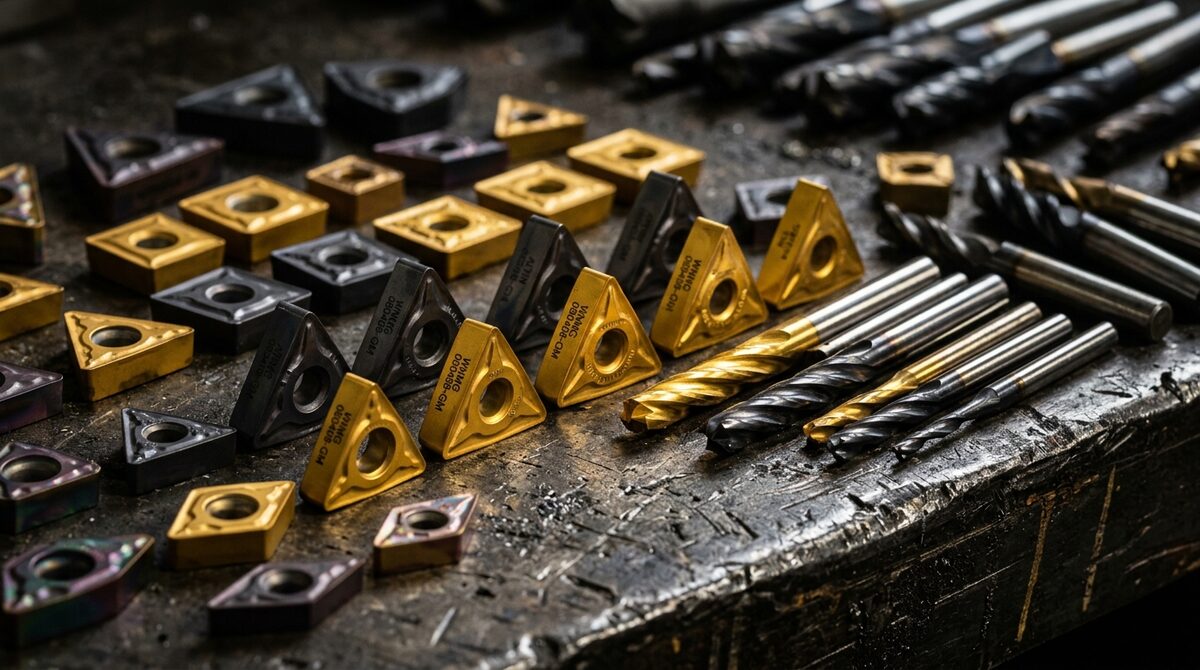
A supply shock that started in a Chinese customs office is now landing on the shop floor. In February 2025, China placed export-licensing controls on tungsten and related products, and the tremors haven’t stopped. By January 2026, prices for ammonium paratungstate — the compound refined into tungsten carbide — had hit record highs as inventories tightened and export volumes fell sharply. For any shop running carbide inserts, drills, and end mills, that pressure is no longer abstract. It’s the next purchase order, and it’s reshaping how machine shops budget for their most basic consumable.
Why Carbide, and Why Now
Tungsten carbide is the backbone of modern metal cutting. It holds an edge and resists heat and wear far better than high-speed steel, which is exactly why it dominates high-volume, tight-tolerance work. The problem is supply concentration. According to the U.S. Geological Survey, China accounted for roughly 67,000 of the 81,000 metric tons of tungsten mined worldwide in 2024 — more than 80% of global output — and the United States hasn’t mined tungsten commercially since 2015. The same agency notes that about 60% of U.S. tungsten consumption feeds straight into cemented carbide parts for cutting and wear-resistant applications. When Beijing tightens the tap, cutting tools feel it first.
The Math Is Unforgiving
Benchmark APT prices have climbed steeply since the controls took effect, and tool makers say the increases are flowing through to indexable inserts and solid-carbide tooling. Industry group leaders have openly acknowledged that carbide- and steel-based tool prices are trending up, even as manufacturers work to hold the line. Substituting away from tungsten isn’t a quick fix either — alternative materials often trigger requalification cycles measured in months, plus performance trade-offs that shops can’t accept on critical parts. For most precision work, carbide isn’t a preference. It’s a requirement.
Rising Costs Meet Rising Demand
All of this arrives as demand runs hot, not cold. U.S. cutting tool consumption — a closely watched proxy for real manufacturing activity — totaled $2.56 billion in 2025, up 2.5% over 2024, capping a fifth straight year of rising orders, with December shipments alone reaching $215 million, up 17.1% year over year, according to the Cutting Tool Market Report from AMT and the U.S. Cutting Tool Institute. Aerospace, defense, energy, and data-center work are keeping spindles turning. The result is a genuine squeeze: shops face rising input costs and full order books at the same moment.
The Scramble to Reshore Supply
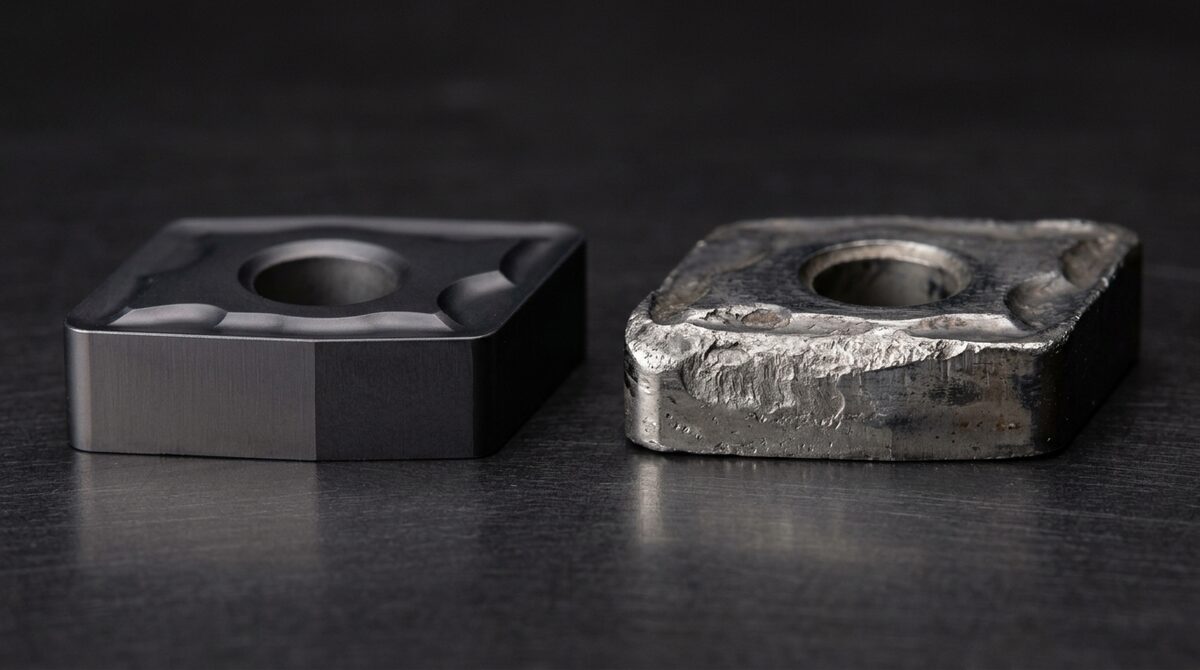
The volatility is spurring a race to build tungsten supply outside China. Federal defense and energy agencies have begun funding domestic mining and carbide-processing projects, and companies are eyeing long-dormant deposits across the western United States, with at least one Idaho operation aiming to begin production by 2027, according to Scientific American. Even so, planned domestic output would cover only a single-digit share of U.S. demand for years, and new mines take time to permit, finance, and ramp. In the meantime, some manufacturers are adapting the hard way — drill-bit makers serving oil and gas have started swapping tungsten bits for steel that wears out faster. For precision shops, near-term supply management remains the real game.
How Shops Are Responding
Smart buyers are responding on several fronts. They’re locking in sourcing relationships and firming up pricing where they can, carrying deeper inventory buffers on high-run tooling, and squeezing more life out of every edge through better coatings, optimized feeds and speeds, and disciplined tool management. Recycling carbide scrap — long an afterthought — is getting fresh attention as both a cost hedge and a sustainability win, since reclaimed tungsten eases reliance on imports. Above all, shops are leaning on distributors who can secure premium carbide cutting tools and precision tooling from multiple manufacturers rather than betting a production line on a single, exposed supply channel.
The Texas Stakes
The stakes are especially high across Texas, where energy, petrochemical, aerospace, and defense manufacturers rank among the heaviest carbide consumers in the country. A tooling shortage or price spike doesn’t just dent margins — it can idle the CNC turning and machining centers that customers are counting on. Regional shops that plan tooling procurement as strategically as they plan capital equipment will weather the volatility best.
That’s where Southwest Machine Technologies comes in. SWMT represents a deep bench of tooling brands — including Tungaloy, Emuge, and YG-1 — giving Texas shops multiple sourcing paths plus hands-on application support to protect uptime and control cost-per-part as the tungsten market stays turbulent.
SWMT: Tooling and Support for Texas Machine Shops
Southwest Machine Technologies supplies machine tools, fabrication equipment, and a full line of tooling and accessories to shops across all 254 Texas counties, backed by application and maintenance support that keeps production moving.
Our Services Include:
- Tooling and Accessories — Carbide cutting tools, taps, drills, workholding, measuring instruments, and probing systems from leading manufacturers
- Milling Machines — CNC and manual milling solutions engineered for precision production
Facing rising tooling costs? Contact SWMT to build a sourcing plan that keeps your spindles running and your cost-per-part under control.
Works Cited
- “Tungsten.” Mineral Commodity Summaries 2025, U.S. Geological Survey, Jan. 2025, pubs.usgs.gov/periodicals/mcs2025/mcs2025-tungsten.pdf. Accessed 22 July 2026.
- “December 2025 US Cutting Tool Shipments Totaled $215M, Up 17.1% From December 2024.” AMT – The Association For Manufacturing Technology, 23 Feb. 2026, www.amtonline.org/article/december-2025-us-cutting-tool-shipments-totaled-usd215m-up-17-1-from. Accessed 22 July 2026.
- Sen, Ari. “Tungsten Crunch Rekindles U.S. Mining Ambitions.” Scientific American, 13 June 2026, www.scientificamerican.com/article/u-s-industries-push-to-revive-tungsten-production-amid-shortage/. Accessed 22 July 2026.